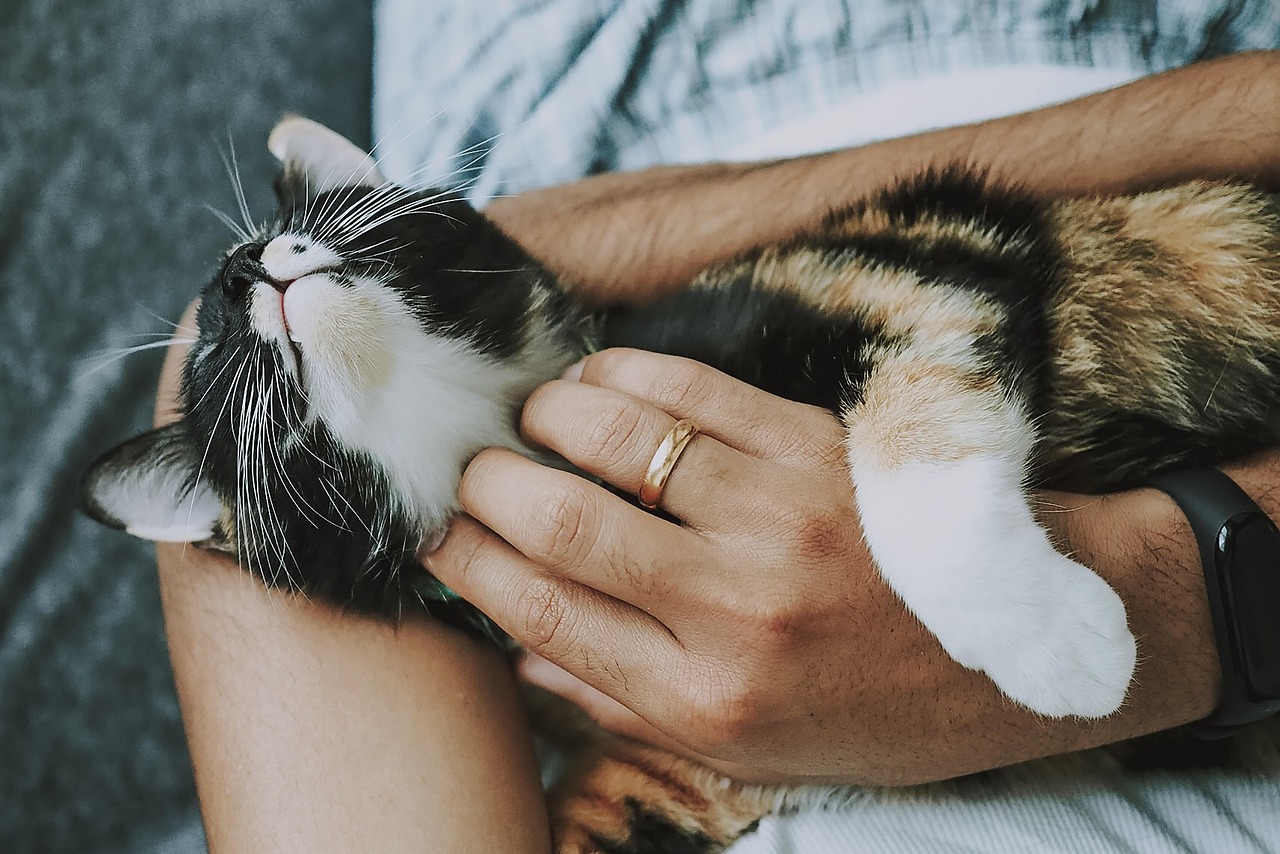

From Stray to Beloved: Success Stories in Cat Rescue
Cat rescue organizations play a vital role in providing care and homes to abandoned and stray cats. Over the years, these groups have worked tirelessly, turning harrowing situations into heartwarming success stories. Many of these cats face overwhelming challenges, from illness to starvation, but dedicated volunteers and foster families offer them hope. Through social media, these organizations share their journeys, connecting with potential adopters and raising awareness about the plight of homeless cats. People are inspired to help and reveal the warmth of loving homes that await these felines. Stray cats, once abandoned and alone, often transform into affectionate companions, enriching their adopters’ lives. Such transformations prompt communities to foster kindness and empathy. Moreover, success stories motivate people to consider adoption over buying pets, highlighting the importance of supporting local rescues. As more people share stories of joy from their rescued cats, a ripple effect occurs, encouraging others to engage in this cause. Every success story bears testament to the resilience of these animals and the communities dedicated to their rescue, emphasizing the need for continued support and involvement in cat rescue endeavors.
Every cat rescue journey begins with a critical need for intervention. This often involves strangers noticing a stray cat in desperate circumstances. Through local outreach efforts, these individuals are encouraged to report sightings to local shelters. Many rescue organizations rely on volunteers who provide immediate assistance, offering food, water, and sometimes medical treatment. By identifying and documenting specific issues, such as feral populations or injured cats, advocates can develop effective intervention strategies. Community involvement is key to successfully addressing the myriad of challenges these cats face. Many organizations rely on fundraising to maintain their efforts, thereby using social media campaigns to share urgent needs. Volunteers create a supportive network aimed at minimizing the suffering and stigma surrounding stray cats. They also organize spay/neuter programs to control feline populations responsibly and sustainably. These initiatives are crucial for reducing overpopulation and improving the lives of both stray and indoor cats alike. Such measures boost community awareness and increase collaboration among local animal welfare groups. As awareness grows about the importance of humane treatment of cats, these collective efforts spark change in societal perceptions of cat rescue.
Cat Transformation Tales
Stories of individual cat transformations are some of the most touching aspects of rescue work. Each cat has its own unique journey that showcases resilience and adaptability. For example, consider a once-timid stray named Whiskers, who was fearful and withdrawn after being rescued from a harsh environment. Under the patient care of his foster family, Whiskers slowly learned to trust again. He discovered toys, warm beds, and gentle hands, transforming from a scared creature into a playful companion. Such stories abound among successful rescues, highlighting the potential for cats to rebound when given the right environment. These transformation tales offer hope and inspiration to both volunteers and adopters. Additionally, they serve as motivational examples to potential adopters who may be hesitant about the responsibility of adopting a rescued cat. By sharing these experiences, rescues provide insights into the process and emphasize the importance of patience, love, and understanding. Pet lovers can find themselves inspired to consider adopting a rescue cat or supporting local cat shelters. When we invest in these animals, we gain loving companions who enrich our lives beyond measure.
Each rescue highlights the volunteers’ dedication, patience, and love. For instance, fostering plays a critical role in the rehabilitation of rescued cats. Volunteers often welcome these cats into their homes, offering them a safe space to heal and grow. Through socialization and companionship, fosters help cats learn vital skills, preparing them for eventual adoption. Many cats who were once fearful or aggressive thrive in nurturing environments. This process not only supports the cats but also educates the public about the realities of cat rescue. Agencies often encourage fostering as a way to lighten the load on overcrowded shelters, showcasing the positive impact of temporary care. Furthermore, volunteers share their experiences through blogs and social media channels, spreading awareness. This creates a community of support around cat rescue efforts. Fostering not only benefits the individual cats but strengthens community ties and educates people on responsible pet ownership. By witnessing firsthand the transformative power of rescue work, volunteers find fulfillment in saving lives. They often become lifelong advocates for feline adoption, inspiring others to consider opening their hearts and homes.
The Impact of Adoption
Adoption plays a pivotal role in the success of cat rescue initiatives. A common misconception is that rescued cats come with inherent problems or issues. However, through extensive rehabilitation and care, many cats become perfect companions. The adoption process celebrates the union between a furry friend and a loving family. Wednesday is a perfect example; rescued from a life of uncertainty, she was adopted shortly after being posted online. Her new family reported her rapid transformation into a cheerful, affectionate cat. Stories like Wednesday’s demonstrate that rescued cats can thrive in a loving home. This positive outlook encourages potential pet owners to rethink adoption. Moreover, successful adopters become advocates for cat rescue, demonstrating the potential advantages of adopting rescued cats. They share their experiences on social media and local events, creating a ripple effect of awareness. With each adoption, communities grow closer and more involved in rescue initiatives. Educating the public about responsible adoption helps change societal attitudes toward stray cats. Every cat adopted means one less animal in need, reinforcing the significance of cat rescue work in communities.
Additionally, unique partnerships between local businesses and cat rescues emerge, enhancing mutual support. Local pet supply stores frequently host adoption events, showcasing available cats to prospective adopters. In exchange for promoting rescue efforts, these retailers gain a positive reputation within the community. Local cafes have even dedicated themselves to being cat-friendly spaces, fostering cats available for adoption within their premises. They provide a cozy atmosphere where potential adopters can meet cats in a relaxed setting. These collaborations enhance visibility and lead to greater adoption rates, while allowing the community to enjoy the companionship of cats. Such initiatives inspire other businesses to join in supporting their local rescues, creating a connected network of care. Moreover, increased exposure helps change perceptions of cat rescue from charity work to community-focused partnerships. As a result, businesses become supporters of not only cat rescues but animal welfare as a whole. This synergy fosters goodwill and encourages more people to actively participate in their local rescues. Ultimately, united efforts help create a sustainable future for both cats and communities.
Looking Forward
The future of cat rescue looks promising as awareness grows about the importance of spaying and neutering. By controlling the feline population at its source, communities can significantly reduce the number of stray cats. Education campaigns aimed at informing the public about responsible pet ownership are vital. Numerous rescues focus on preventative measures such as these, in addition to providing rescue services. Future collaborations may involve partnerships between organizations to tackle larger issues affecting cat welfare. Advocating for legislative changes at local and state levels can improve regulations around pet ownership and rescue efforts. By emphasizing humane treatment of animals, advocates hope to establish laws that protect both cats and rescue organizations. Furthermore, technological advancement enables the sharing of stories and education on a larger scale. Online platforms, social media, and engaging content help mobilize support for cat rescue efforts. Technology can also connect potential adopters with available animals instantly. Combined, innovations and community engagement will enhance the future of cat rescue. Ultimately, cat rescues will continue uplifting vulnerable felines—transforming lives on both ends of the adoption experience.
As we celebrate the milestones achieved in cat rescue, we reflect on the lives transformed, and the bonds formed. Every successful adoption leads to a new beginning, where love and companionship flourish. Rescued cats bring joy not just to their adopters but also to everyone involved in their journeys. Community support—whether through fostering, donation, or awareness efforts—fosters a brighter future for countless felines. Volunteers share their experiences to inspire others to become involved, creating a culture of empathy towards animals in need. Additionally, numerous rescue organizations host annual events, showcasing the success of their work, and bringing people together. By honoring the stories of cats who have found their forever homes, we continue to promote the importance of rescue efforts. Every effort, no matter how small, contributes to a larger movement focused on the well-being of cats. It is essential to recognize the ripple effect that grows from rescuing one cat at a time. Through collaboration, persistence, and love, we can ensure a better future for all felines. Ultimately, as advocates for cat rescue, we are reminded of how each life saved adds to the collective success of our mission.