
How to Choose the Right Dog Food for Optimal Health
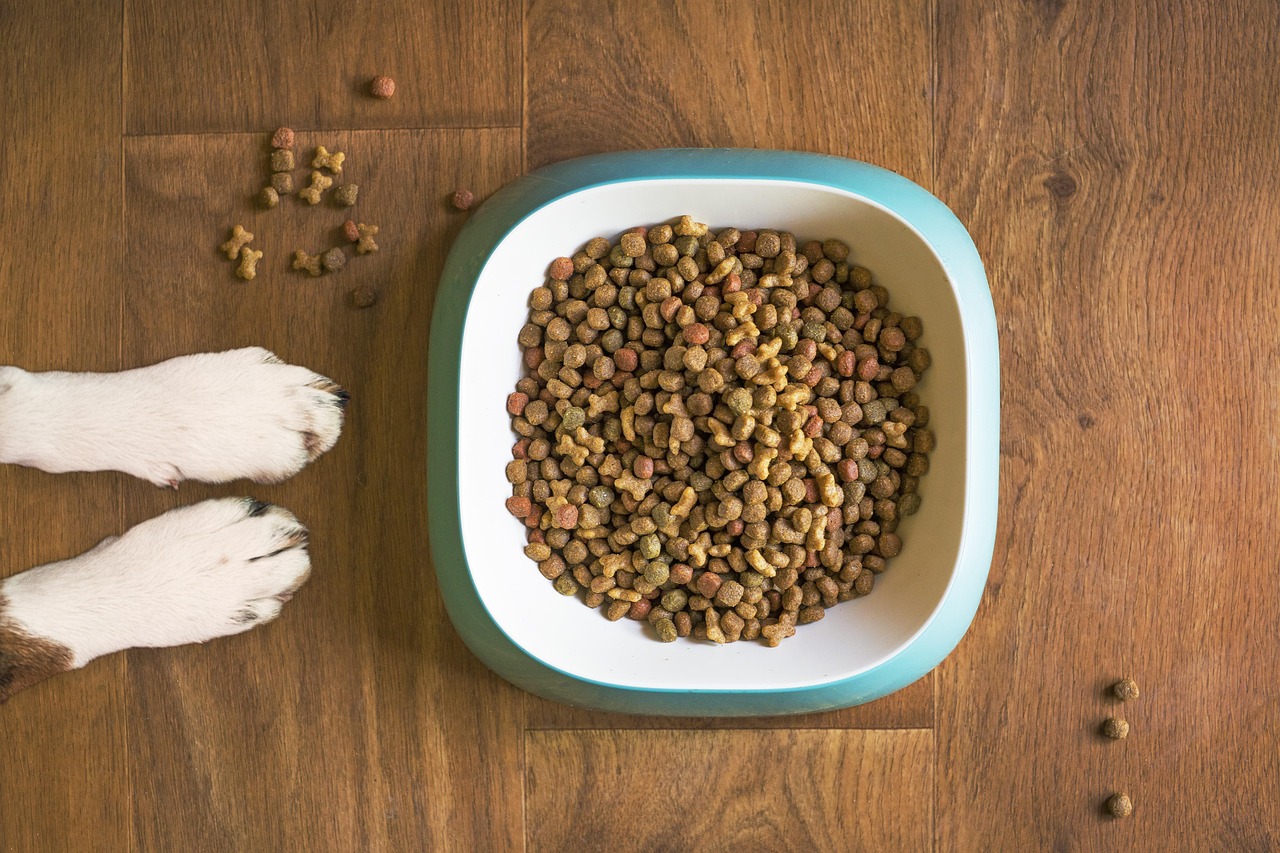
Choosing the right dog food is essential for your pet’s overall health and well-being. Dogs, like humans, require a balanced diet to thrive. Consider your dog’s age, size, and activity level when selecting food. Puppies need nutrients for growth, while adult and senior dogs require maintenance-focused diets. Look for products with high-quality protein sources as the primary ingredient. Meat, fish, or poultry should ideally be at the top of the list. Nutritional requirements may vary depending on breed, energy levels, and specific health issues, which may require special diets. Always consult your veterinarian when making significant changes to your dog’s diet. They can help guide you based on your dog’s unique needs. Additionally, investigate the various types of dog food available, including dry kibble, wet food, and raw diets. Each type has its pros and cons, especially relating to convenience, storage, and overall nutritional value. Opting for brands with high-quality ingredients and no fillers will provide your dog with better nutrition, promoting longevity and vitality. Look for certifications or endorsements to ensure the food meets industry standards.
After determining the primary ingredients, it’s crucial to examine the nutritional label closely. Pay attention to the guaranteed analysis section, which details the levels of protein, fat, fiber, and moisture. These factors play a key role in your dog’s dietary balance. A high protein percentage indicates a richer food source, particularly important for active dogs. Conversely, some dogs might benefit from lower protein and fat contents, especially those with certain health issues. Ingredients should be easily recognizable; avoid food with ambiguous terms like ‘meat by-products.’ Real, identifiable meat sources are preferable to ensure quality. Overall, crucial nutrients include carbohydrates, vitamins, and essential minerals. Omega fatty acids are also vital for skin and coat health. Remember, feeding your dog isn’t just about filling their stomach; it’s about providing a complete and balanced meal that supports their unique needs. Monitor your dog’s weight regularly to assess if the food you’re offering meets their energy requirements and promotes healthy body condition. Always be aware of any adverse reactions, which could indicate diet intolerances, necessitating a switch to a different food brand.
Reading Labels Effectively
Reading dog food labels can be challenging but is essential for making informed choices. Understanding common terms and classifications can greatly influence your selection process. For example, ‘chicken dinner’ means chicken must be 10% of the total product. On the other hand, ‘chicken’ implies that chicken makes up 70% of the food. It’s crucial to familiarize yourself with these distinctions to ensure you’re choosing high-quality items for your pet. Always opt for food that meets the Association of American Feed Control Officials (AAFCO) standards. These guidelines ensure that dog foods provide complete and balanced nutrition. Conduct thorough research on brands and their reputations, checking for customer feedback, reviews, and recalls to assess safety. Once you’ve identified suitable options, monitor your dog’s response to the new food. Changes in energy levels, coat condition, or digestive health can provide vital feedback about the food’s suitability. Ensuring regular vet check-ups can help you adjust your dog’s diet based on professional advice tailored to their growth, health, and lifestyle. Always troubleshoot adjustments gradually to avoid gastrointestinal upset.
In addition to high-quality ingredients, consider your dog’s specific dietary needs when selecting food. Dogs suffering from allergies or sensitivities might require specialized diets. Grain-free or limited-ingredient diets are often recommended in such cases. Always check with your vet to make sure you’re meeting their nutritional requirements while mitigating allergy risks. When selecting a commercial diet, consider the life stage of your pet. Puppies require significantly different nutrition than adult or senior dogs. For example, puppy formulas are often richer in calories and essential nutrients to facilitate growth. In contrast, senior formulas may include joint-supporting supplements like glucosamine to support aging joints. You may also want to consider the health conditions specific to your dog’s breed. For example, some breeds are prone to obesity; therefore, a weight-management formula might be appropriate. Always research or consult with your veterinarian about whether your dog has any unique requirements related to breed and age. A well-informed decision can greatly improve your pet’s life quality.
Homemade vs. Commercial Dog Food
Choosing between homemade and commercial dog food is another significant aspect of dog nutrition. Both have their pros and cons, depending on your situation and your dog’s preferences. Homemade dog food allows for complete control over ingredients. However, it requires thorough research and meal planning to ensure it meets your dog’s dietary needs. Nutritional imbalances can occur if not correctly balanced. Meanwhile, commercial dog foods are convenient, but it’s crucial to select reputable brands that offer high-quality ingredients. Always check for quality assurance seals on packaging. Also, consider the potential for allergies when creating homemade meals. Some dogs are sensitive to common ingredients, including grains or certain proteins. Keeping meals simple and varied might help prevent issues. Both methods of feeding can be successful when done correctly. If opting for homemade food, work closely with your veterinarian to design a balanced meal plan tailored to your dog’s requirements. Regularly monitor your dog’s condition for any changes, indicating whether the diet suits their needs for optimal health and longevity.
Moreover, the feeding routine plays a vital role in maintaining a healthy diet for your pet. Establish a regular feeding schedule to keep your dog on a consistent diet. Dogs are creatures of habit, and predictable meal times can improve digestion and reduce anxiety related to food insecurity. Some pet owners prefer free-feeding, but this might lead to overeating for others. Creating a structured schedule can help manage weight and promote healthier eating habits, particularly in breed types prone to obesity. Additionally, avoid mixing different food brands, as this can cause digestive issues. Stick to one reliable source for at least several weeks before considering adjustments. Observe your dog’s overall health by keeping track of their weight, energy, and coat condition. Any noticeable changes might warrant adjustments in their diet, even if it means changing brands or formulations. Consulting your veterinarian at any point of confusion or for routine check-ups ensures nutritional adequacy. Your vet can provide insights on dietary changes or supplementations as needed, contributing to the lasting wellness of your cherished canine companion.
Conclusion and Key Takeaways
To conclude, selecting the right dog food requires careful consideration of numerous factors that ultimately impact your pet’s health. Realizing the significance of ingredients, nutritional balance, and your dog’s specific requirements will help guide you through choices. Remember to consult your veterinarian regularly, especially when considering diet changes, to maintain optimal health for your dog. Building a trusting relationship with your vet will aid in making informed dietary decisions based on individual needs. Be mindful of feeding schedules while offering a variety of training treats in moderation that align with your dog’s nutrition. Consider whether homemade or commercial food is best suited for your lifestyle while keeping your dog’s preferences and health needs in mind. Thoroughly research any food options, focusing on high-quality ingredients and reputable brands to ensure a balanced nutrient intake. Ultimately, your commitment to providing proper nutrition ensures a healthier, happier, and longer life for your furry friend. Partner with your vet for the best outcomes concerning your dog’s nutrition and well-being throughout their lifespan.
In summary, navigating dog nutrition entails a focus on product quality, ingredients, and tailored diets. Incorporate regular vet consultations as an insurance policy in the quest for optimal pet health. Ensure that feeding schedules are structured to form healthy eating habits, avoiding free feeding. Pay attention to food labels, particularly when assessing nutrient content and ingredient origin. Adapting your dog’s diet may involve trial and adjustment across different food types, such as dry kibble or raw diets. Strive for consistent monitoring of your dog’s health indicators, adjusting the diet as necessary based on their unique reactions. Both homemade and commercial options can support healthy canine lifestyles with proper planning and quality control. Balancing protein, fats, and carbohydrates ensures well-rounded nutrition that plays a crucial role in disease prevention. Investing time and energy in developing a solid understanding of dog nutrition will enhance your pet’s life quality significantly. Ultimately, delicious and nutritious meals contribute to happiness for both you and your beloved companion.