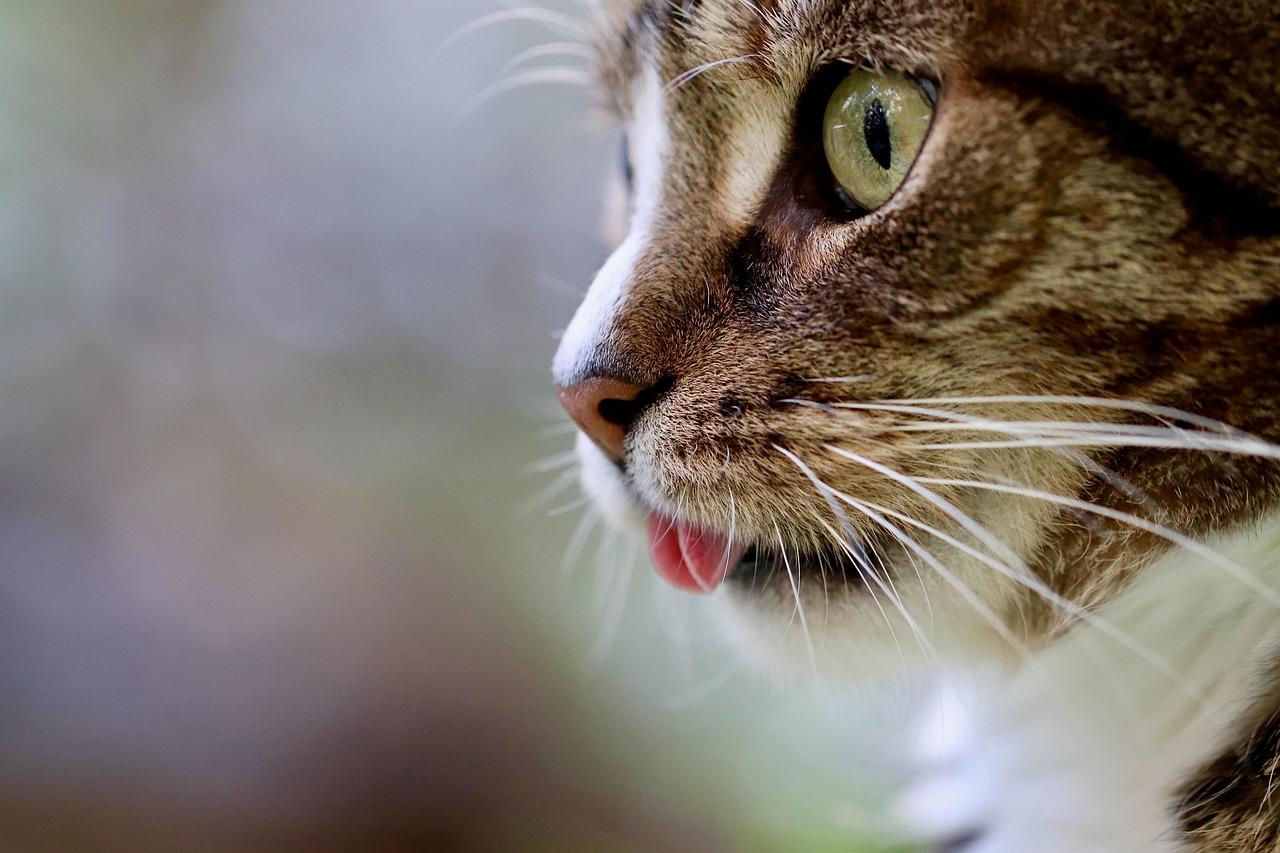

Scope and Limitations of Pet Sale Regulations for Cats
Pet sale regulations for cats serve as a framework designed to protect both the animals and their potential owners. These regulations are crucial for ensuring that cats are sold responsibly, ethically, and in a manner that promotes their welfare. For instance, adopting such regulations helps prevent the sale of sick or poorly bred animals. Additionally, these laws often mandate that sellers provide proof of vaccinations, health checks, and even microchip information to new owners. However, while these initiatives are beneficial, the implementation and enforcement can vary widely by region. This inconsistency may lead to loopholes that unscrupulous sellers exploit, potentially harming the welfare of cats in the process. Moreover, regulations may not always cover important aspects such as the conditions in which cats are bred and raised. In some areas, inadequate oversight allows substandard practices to persist, undermining the goals of these regulations. As cat caregivers or potential adopters, being informed about local laws is essential for making responsible choices regarding cat purchasing and ownership. Understanding these regulations can help foster a more humane approach to pet sales.
Local regulations regarding pet sales are influenced by various factors including public interest and welfare issues. Many jurisdictions have adopted specific laws targeting kitten mills, puppy mills, and illegal breeders, highlighting the importance of ethical considerations in pet sales. These laws often encompass guidelines about the conditions under which animals can be bred and sold. They may also determine the age at which cats can be sold, advocating that kittens remain with their mothers for a certain period to ensure proper socialization and development. However, despite these measures, there are challenges in enforcing these regulations effectively. Instances of non-compliance remain distressingly common, and the penalties for violations may be insufficient to deter offenders. Furthermore, education about these regulations is often lacking among both sellers and customers, leading to mistaken beliefs about pet sale processes. Without proper education, it is difficult for stakeholders to understand and uphold ethical selling practices. Furthermore, regulations may also inadvertently restrict legitimate breeders and responsible sellers who prioritize animal welfare and responsible ownership. Striking a balance between regulation and the freedom to breed responsibly is essential.
Ethical Concerns in Cat Sales
One of the major ethical concerns in cat sales is the issue of overpopulation, which can lead to an excess of homeless animals. Many shelters are overflowing with cats, making it critical to consider the impact of commercial sales on these populations. Responsible regulations are necessary to address this issue effectively, which might include enforcing spaying and neutering requirements or ensuring that sellers promote adoption from shelters. Moreover, ethical considerations extend to the breeding practices within the pet industry. There is an increasing awareness of *kitten mills*, where animals are often bred in poor conditions solely for profit. Stricter regulations can help prevent the rise of such establishments even more. Furthermore, there needs to be a comprehensive approach to educating consumers about adopting versus purchasing cats. Regulations should not only focus on selling standards but also encourage citizens to consider adopting shelter cats instead. Building a community that values adoption can limit the demand for cats sold commercially. Thus, addressing ethical concerns in pet sales is complex and necessitates a multi-faceted approach involving education, regulation, and advocacy.
In addition to ethical challenges, awareness of buyer rights is an essential aspect when it comes to cat sale regulations. Buyers must know their rights regarding the health and condition of the pet they are considering adopting or purchasing. Standard regulations often require sellers to provide specific disclosures about the animal’s health history, including past vaccinations, medical treatments, and even any known genetic conditions. This transparency is crucial to ensure that potential owners can make informed decisions, as purchasing a cat without this information could lead to unforeseen issues. Furthermore, laws may require sellers to offer refunds or exchanges if a cat is found to be unhealthy within a specified timeframe after purchase. However, the degree of protection offered by these regulations varies from place to place and can be hard for buyers to navigate. Ensuring that potential customers are well-informed about their rights is paramount in the effort to promote consumer protection in pet sales. Education initiatives for both sellers and buyers play a crucial role in making the entire cat sale process more ethical and responsible.
Future of Pet Sale Regulations
The future of cat sale regulations appears to be shifting toward a more protection-based approach that encompasses a range of considerations, including animal welfare, consumer rights, and public health. As awareness surrounding animal welfare grows, there is increased advocacy for more stringent regulations aimed at the pet industry. This trend reflects a broader societal change, where consumers desire ethical treatment of animals and seek to support breeders and sellers that prioritize welfare. Legislators are beginning to respond to this demand by drafting and implementing more comprehensive laws that encompass various aspects of pet sales from breeding to ownership transitions. Furthermore, there is a growing emphasis on enhancing the enforcement of these regulations to close loopholes that allow negative practices to continue. This includes strengthening penalties for non-compliance and increasing inspections of pet sellers. Additionally, the digital realm presents challenges and opportunities for pets sales regulation, as online platforms become increasingly popular for selling animals. As such, lawmakers need to adapt existing laws to address the nuances of online sales effectively, ensuring that both animals and consumers remain protected.
The increasing emphasis on transparency within the pet sale industry is also poised to change future regulations significantly. Potential reforms may include mandating sellers to disclose detailed records of an animal’s lineage, health certifications, and breeding practices comprehensively. Alongside regulatory enhancements, there is a burgeoning movement advocating for the sale and adoption process to become more community-oriented. This could manifest in partnerships between breeders, pet stores, and local shelters to create a combined effort that supports animal welfare, education, and responsible selling practices. With these positive developments, ensuring that both the sale process and the welfare of cats are prioritized will require cooperation among various stakeholders in the community. By working together to promote ethical practices, we can tackle the systematic issues faced in the cat sale industry. As consumers, breeders, sellers, and animal advocates unite for a common cause, we can expect to see meaningful progress towards the welfare of cats in pet sale regulations.
Conclusion of Pet Sale Regulations
In conclusion, understanding the regulations surrounding pet sales is vital for both consumers and sellers to ensure the welfare of cats. The existing rules offer a framework that, when enforced adequately, helps to promote humane practices in the industry. However, the landscape of pet sale regulations continues to evolve, highlighting the need for a multi-faceted approach to ethical selling. As we look to the future, it is imperative that stakeholders engage in ongoing dialogue about these regulations. It should be the collective responsibility of society to support initiatives focused on animal welfare, buyer protection, and responsible breeding practices. Regulations should strive to maintain a balance between protecting animals and allowing responsible pet breeding, ensuring the longevity and health of feline companions in our communities. Moreover, advocacy for adoption and education regarding the importance of responsible ownership can mitigate overpopulation and promote healthier communities for cats. Engaging in these discussions will empower responsible practices in pet sales while fostering an environment where all cats can thrive and find loving homes.
Our potential future revolves around creating a more ethical landscape for cat sales, influenced by heightened awareness and responsibility from all parties involved. As we gain knowledge about the consequences of irresponsible breeding and sales practices, ensuring protection measures become paramount. Advocacy efforts will undoubtedly lead to more comprehensive laws addressing various issues, ranging from overpopulation to unethical practices. Importantly, we must remain vigilant in monitoring the implementation of these regulations, as well as the ethical practices among sellers. Continuous education and awareness campaigns can empower consumers to make responsible choices, ensuring that they adopt or purchase cats from reputable sources that prioritize animal welfare. With a collective effort, the future of pet sales can be redefined, emphasizing a humane approach to selling and owning cats. Together, we can foster a marketplace that prioritizes the well-being of cats and serves the interests of consumers. Ultimately, the journey towards effective pet sale regulations is one we must pursue as a community, more diligent in advocating for a change that benefits both cats and their prospective owners. The work may be challenging, but the outcome will reflect our shared commitment to creating a better future for them.