
The Impact of Nutrient Quality on Cat Longevity
Nutritional quality is a vital factor in determining the longevity of our feline friends. Proper nutrition can significantly influence their health and lifespan. Nutrients play essential roles, such as providing energy and supporting vital bodily functions. Cats, being obligate carnivores, require specific nutrients that are mainly found in animal tissues. A well-balanced diet must include proteins, fats, vitamins, and minerals. Deficiencies in these essential nutrients can lead to health complications and disease. For instance, an insufficient intake of taurine, an amino acid crucial for heart function, can lead to serious health issues. Additionally, fatty acids like Omega-3 and Omega-6 support skin health and overall well-being. It is crucial to note that not all cat foods provide high-quality ingredients that can yield these benefits. Therefore, selecting premium brands that emphasize quality over quantity is vital. Always check labels carefully and consult with veterinarians when making dietary changes. This proactive approach can help ensure that your cats enjoy longer, healthier lives by meeting their unique nutritional requirements efficiently.
The Role of Proteins in Cats’ Diet
Proteins are essential for regeneration and growth in cats. These macronutrients are made up of amino acids, which play various roles in maintaining bodily functions and overall health. Unlike some animals, cats cannot synthesize certain amino acids and must obtain them directly from their diet. Additionally, proteins serve as the building blocks for muscles, skin, and other tissues. A protein-rich diet not only helps in the upkeep of healthy muscle mass but also boosts immune system strength. Effective protein sources for cats include chicken, turkey, and fish. It’s important to choose whole meat or high-quality meat meals over by-products, as they provide better nourishment and avoid gastrointestinal issues. The digestibility of protein influences how well cats can absorb these nutrients, which is another reason to opt for premium food. Feeding cats a protein-rich diet fosters not just physical health but also promotes mental sharpness. Moreover, lean proteins support weight management, decreasing the risk of obesity-related health problems. Ultimately, ensuring that this crucial nutrient is included in your cat’s diet can contribute significantly to their overall longevity.
Just as proteins are critical, fats in cat diets serve indispensable functions. Fats offer a concentrated source of energy and are fundamental for maintaining a balanced diet. They also aid in the absorption of fat-soluble vitamins like A, D, E, and K. Moreover, a certain level of healthy fats can ensure skin and coat health, preventing dry skin and promoting a shiny appearance. Omega fatty acids, in particular, have been shown to reduce inflammation and support cardiovascular health in cats. Incorporating sources such as fish oil or flaxseed oil can enhance these benefits. It’s essential to monitor fat intake carefully as excessive fat could lead to obesity and other health issues. Ideally, a balanced diet should contain about 15-20% fat content, depending on a cat’s activity level and age. Care should be taken not to include unhealthy fats or excessive carbohydrates, which have no relevant role in a cat’s diet. A focus on healthy fats can not only enhance well-being but also significantly prolong your furry companion’s life.
The Importance of Vitamins and Minerals
A complete cat diet must also be rich in essential vitamins and minerals to ensure optimum health and longevity. Vitamins play specific roles in various bodily processes, from metabolism to immune system support. For instance, Vitamin A is essential for vision, while B-complex vitamins aid energy metabolism. Minerals like calcium and phosphorus are vital for strong bones and teeth. They also assist in nerve and muscle function. However, since cats cannot synthesize these nutrients effectively, their diet must be carefully curated to include such essentials. Commercial cat food often includes these vitamins and minerals, but not all products are created equally. It’s paramount to select food where these nutrients are derived from high-quality sources. Inadequate vitamin and mineral intake can lead to many health issues such as metabolic disruptions or systemic disorders. Supplementing with natural sources like vegetables or fish can further enhance nutrient intake in cats and help combat deficiencies. Overall, ensuring a well-rounded diet will provide long-term health benefits for your beloved feline.
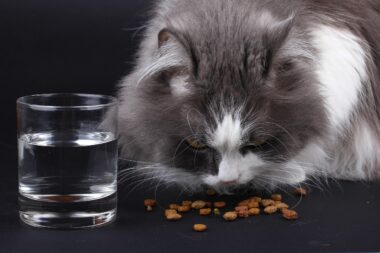
Water consumption is just as important as solid nutrition in relation to cat longevity. Cats often have low thirst drive, which poses a risk for dehydration and urinary tract health issues. A steady supply of fresh water is essential for their overall health. Dehydration can lead to kidney problems, affecting not only their quality of life but also their lifespan. This is particularly crucial for cats on dry kibble diets, where moisture content is low. To counteract this, consider incorporating wet food into their routine, which offers additional moisture. Moreover, some cat owners have found success by using water fountains or interactive bowls, which encourage cats to drink more water regularly. Including wet food alone may not be sufficient; ensure they always have access to clean drinking water. This commitment to proper hydration can help prevent serious health complications like urinary crystals and stones. Additionally, hydration supports digestion and metabolic processes, leading to a healthier feline overall. Promoting this habit contributes positively to your cat’s longevity.
Evaluating Pet Food Quality
With numerous commercial pet food options available, evaluating their quality is crucial in ensuring a nutrient-rich diet for your cat. Not all pet foods are created equally, making it difficult for pet owners to choose the right one. One effective method is to read the ingredient list thoroughly. Ingredients are usually listed from highest to lowest quantity, allowing you to assess the primary components of the food. Look for specific meat sources as the first ingredient, rather than vague descriptors like “meat by-products.” Essential nutrients may quickly degrade due to the processing involved in lower-quality foods. Many veterinarians suggest opting for premium or veterinarian-recommended brands known for their high-quality ingredients and strict safety standards. Ensure the product lists adequate protein content to meet your cat’s dietary requirements. Furthermore, research feeding guidelines provided by manufacturers and adjust according to your cat’s needs. It can also be beneficial to consult with veterinarians to tailor a diet plan tailored to your cat’s specific health requirements. By prioritizing quality ingredients, you can significantly improve your cat’s health and longevity.
Regular monitoring of your cat’s health can provide crucial insights into the effectiveness of their diet. Any noticeable changes in behavior, energy levels, or body condition warrants immediate reassessment of their nutritional intake. Health check-ups with a veterinarian can help to identify potential issues linked to nutrition. For instance, ongoing weight fluctuations can indicate an imbalance in caloric intake versus energy expenditure. Keeping track of their response to diet changes also aids in finding the best food that supports their health. Signs like excessive shedding, lethargy, or digestive troubles can be signals that something is off in their diet. A nutritionally balanced meal should keep your cat active, alert, and in good shape. Essential nutrients should be carefully balanced to fulfill energy needs, especially for active cats. Recordkeeping on feeding times, portions, and your cat’s reactions can provide valuable data for making nutritional decisions. Fostering open communication with veterinarians about your findings will lead to a more informed and healthier lifestyle for your cat. Ultimately, monitoring their health reflects the impact of nutrient quality on their longevity.
Conclusion
In conclusion, the quality of a cat’s nutrients undeniably influences their longevity and overall well-being. Ensuring that essential vitamins, minerals, proteins, and fats are present in adequate amounts guarantees a robust and energetic life for your feline companion. By carefully evaluating the quality of pet food, you can make informed decisions about your cat’s diet and maintain optimal health. Monitoring hydration levels, as well as observing any changes in health, significantly contributes to identifying dietary adjustments needed. Overall, pet owners should prioritize nutrition and ensure their cats receive high-quality food tailored to their unique needs. By following these guidelines, you’ll contribute positively to your cat’s quality of life and longevity, enabling them to thrive for years to come. It’s not just about satisfying their hunger but about nourishing and enriching their lives through thoughtful dietary planning. A proactive approach, which includes regular vet check-ups and discussions about nutritional strategies, will foster a longer and healthier life for your beloved feline. Prioritizing your cat’s nutritional needs can be the key to unlocking their potential for a longer, healthier existence.