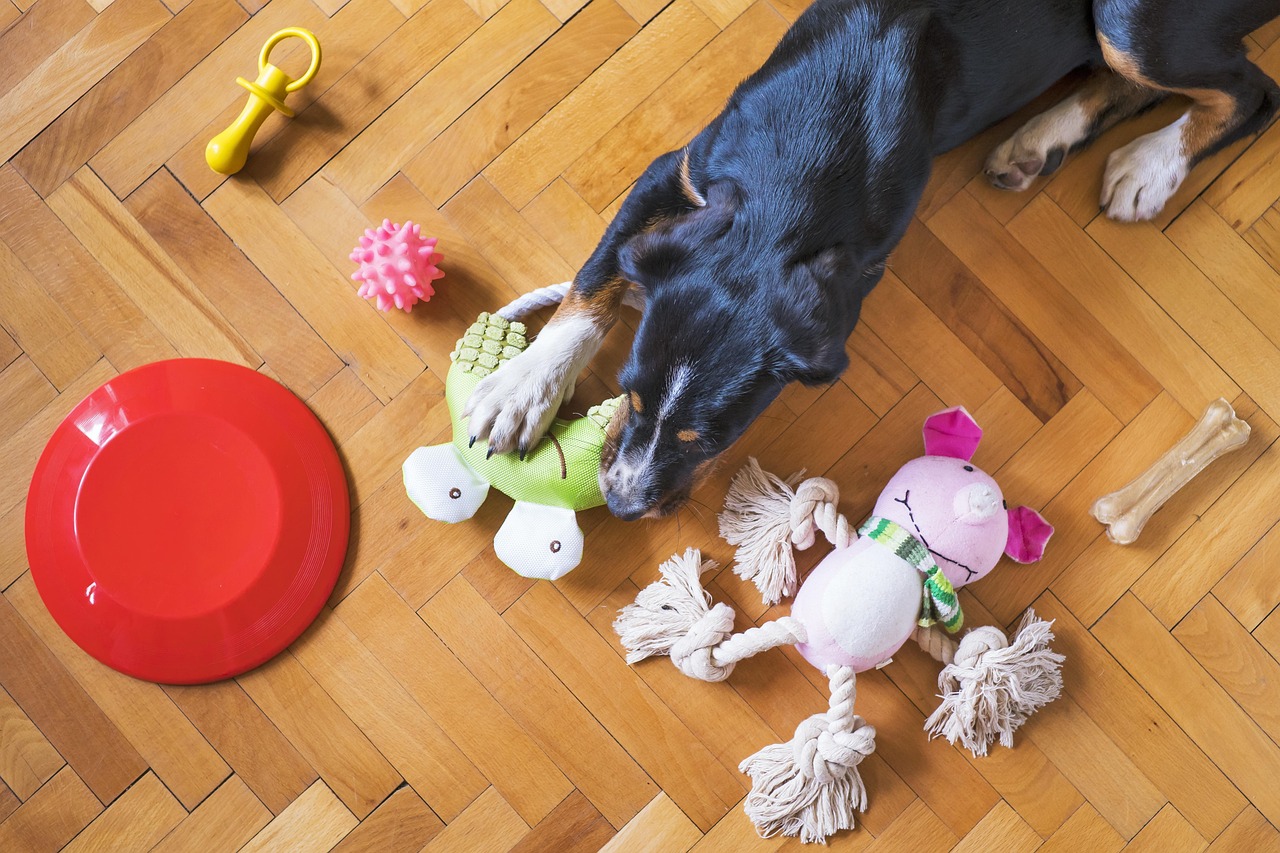

The Link Between Dental Toys and Reduced Anxiety in Dogs
Every dog owner knows how important it is to keep their pets engaged and happy. Dental toys not only serve a functional purpose in maintaining a dog’s oral health, but they also play a significant role in alleviating anxiety. Chewing is a natural behavior for dogs, rooted deeply in their instincts. When dogs chew on dental toys, they experience a calming effect that can help reduce stress levels. This is particularly beneficial for dogs that suffer from separation anxiety or are easily stressed in various situations. Chewing on these toys can distract them, providing a necessary outlet for their pent-up energy. Additionally, dental toys can help soothe teething puppies, effectively alleviating discomfort they may experience, which can also contribute to a more relaxed temperament. By choosing the right dental toys, owners can provide both physical and mental exercise that contributes to their dog’s overall well-being. Therefore, selecting high-quality dental toys is crucial for fostering a calm and anxiety-free environment for your dog.
Understanding Dog Anxiety
To understand the connection between dental toys and anxiety reduction in dogs, it is essential to first understand what triggers anxiety in dogs. Various factors can contribute to stress and anxiety in dogs, including loud noises, changes in environment, or social interactions. Unfortunately, anxious pets can develop behavioral issues such as destructive chewing or excessive barking. Identifying anxiety triggers involves observing your dog’s behavior in different situations. Once you have identified specific stressors, you can take proactive steps to create a more comforting atmosphere. Dental toys can be an invaluable tool in this regard. Providing a safe and engaging toy allows dogs to redirect their nervous energy into positive chewing behavior. This action not only satisfies their instinctual need to chew but also helps reinforce positive behaviors. Positive reinforcement plays an essential role in modifying your dog’s response to anxiety triggers. When dogs find comfort in chewing their dental toys, they learn to associate these toys with relaxation and security, diminishing their anxiety. Thus, dental toys serve as both a source of entertainment and a tool for behavioral training.
Aggression and anxiety can be closely related in dogs, especially when they feel threatened or insecure. Many pet owners may not realize that anxious dogs may occasionally exhibit aggressive behavior, leading to a need for effective coping strategies. Providing dental toys can be a strategic way to manage and mitigate such behaviors. By presenting engaging, chewable toys, you give your dog an appropriate outlet for their stress and frustration. Over time, consistent access to dental toys can help create an environment where your dog feels much safer, ultimately leading to less aggressive and calmer behavior. It’s also vital to ensure that dental toys are of high quality, providing durability and safety while being enticing enough to keep their interest. Consider materials that are specifically designed for dental benefits, which also reduce the risk of breakage and possible choking hazards. In addition to behavioral benefits, these toys can promote healthier gums and teeth, thereby enhancing both dental health and emotional security in dogs. Consequently, owners can have peace of mind knowing their pets are both happy and healthy.
Selecting the Right Dental Toys
Choosing the right dental toys for your dog involves considering their size, chewing habits, and specific dental needs. Dog owners should assess the various options available, including rubber toys, chew sticks, and dental chews. These products serve multiple functions while promoting good dental hygiene. Some toys are particularly designed with textures to massage gums while removing plaque. Others may have added flavors that entice your dog to chew. It’s beneficial to involve your dog in the selection process, allowing them to choose the toys that capture their interest. Given that each dog has unique preferences, diversifying their toy collection can prevent boredom and keep them engaged longer. Regularly rotating dental toys can maintain their excitement and interest in play while ensuring adequate dental care. Furthermore, by observing your dog’s interactions with different toys, you’ll gain valuable insights into which types are most effective at providing comfort and alleviating anxiety. Engaging with your dog during playtime also strengthens your bond. So, take time to explore the options that best suit your furry friend’s needs.
Establishing a routine around dental toy usage can dramatically impact your dog’s anxiety levels. Consistency in providing these toys at certain times of the day can help create a structured environment that leads to less overall anxiety. Dogs thrive on routine, and knowing they will have access to their beloved dental toys can help alleviate feelings of uncertainty. Integrating ceramic or rubber dental toys into playtime can transform these moments into both social bonding and therapeutic activities that genuinely calm your dog. Over time, this stability can encourage your dog to feel more secure about their surroundings and minimize reactive behaviors. To reinforce positive behavior, engage in training sessions that incorporate these toys. For example, use dental toys as rewards during obedience training. This positive reinforcement can bridge the gap between playtime activities and behavioral training. When dogs associate these dental toys with positive learning experiences, their anxiety levels can steadily decrease. Thus, creating a holistic approach to using dental toys in both play and training will yield beneficial results for dog owners and their pets alike.
Monitoring Your Dog’s Behavior
Regularly monitoring your dog’s behavior is crucial to understanding how dental toys affect their anxiety levels. Observing your dog’s reactions to different toys and play methods gives insights into which items bring them the most comfort and enjoyment. Is your dog engaging with the toy, or simply ignoring it? Noticing patterns in their play behavior will help identify if dental toys are meeting their needs. Additionally, keep an eye out for changes in behavioral patterns over time. If you notice your dog becoming less anxious or more comfortable in various situations, it may indicate that the use of dental toys is working effectively. Make it a habit to engage your dog in playtime with their dental toys while keeping track of their behavioral changes during these moments. This proactive strategy also helps establish a lovely bonding experience between you and your pet. After all, creating anxiety-free moments is a priority for any responsible pet owner. Don’t hesitate to experiment with different types of dental toys to see how they impact your dog’s emotional and mental well-being.
In conclusion, the link between dental toys and reduced anxiety in dogs is multifaceted and beneficial for our furry friends. These toys offer both oral health benefits and serve as effective anxiety-reduction tools that can transform a dog’s emotional state. By understanding the specific needs of your dog concerning anxiety triggers, selecting appropriate dental toys, and establishing healthy routines, you can create a positive environment conducive to comfort and reduced stress. Furthermore, regular engagement and monitoring will help reinforce this comforting bond between you and your dog, allowing for a more fulfilling relationship. As you take time to incorporate dental toys into your dog’s daily life, witness the wonderful opportunities they create for improvement in your pet’s overall mood and well-being. So, if you haven’t already, consider exploring reputable brands and types of dental toys tailored to your dog’s needs. The journey towards reduced anxiety can beautifully intertwine with the playful and enriching experience dental toys provide, ensuring that your dog remains happy, healthy, and engaged in their everyday life.