
Top Swimming Exercises to Keep Your Dog Fit
Swimming is an excellent exercise for dogs, providing an opportunity to improve their physical condition while enjoying the water. Many dogs naturally love being in the water, making swimming a fun activity that encourages fitness. When your dog swims, they’re using a variety of muscles, enhancing their strength, endurance, and flexibility. Moreover, swimming is a low-impact exercise, which is perfect for dogs recovering from injuries or dealing with arthritis. This exercise allows them to work out without putting stress on their joints and bones. Additionally, the resistance of water provides a greater muscular workout compared to land-based exercise, ensuring that your dog benefits from a comprehensive workout. Always ensure your dog is safe and supervised while swimming in pools, lakes, or oceans. Before initiating swimming activities, consult your veterinarian, especially if your dog has health concerns or is new to swimming. Gradually introduce your dog to swimming, helping them develop confidence and enjoyment in their water experience, which is crucial for long-term fitness. Keep swimming sessions fun and creative, so that the activity benefits your pet without becoming tedious.
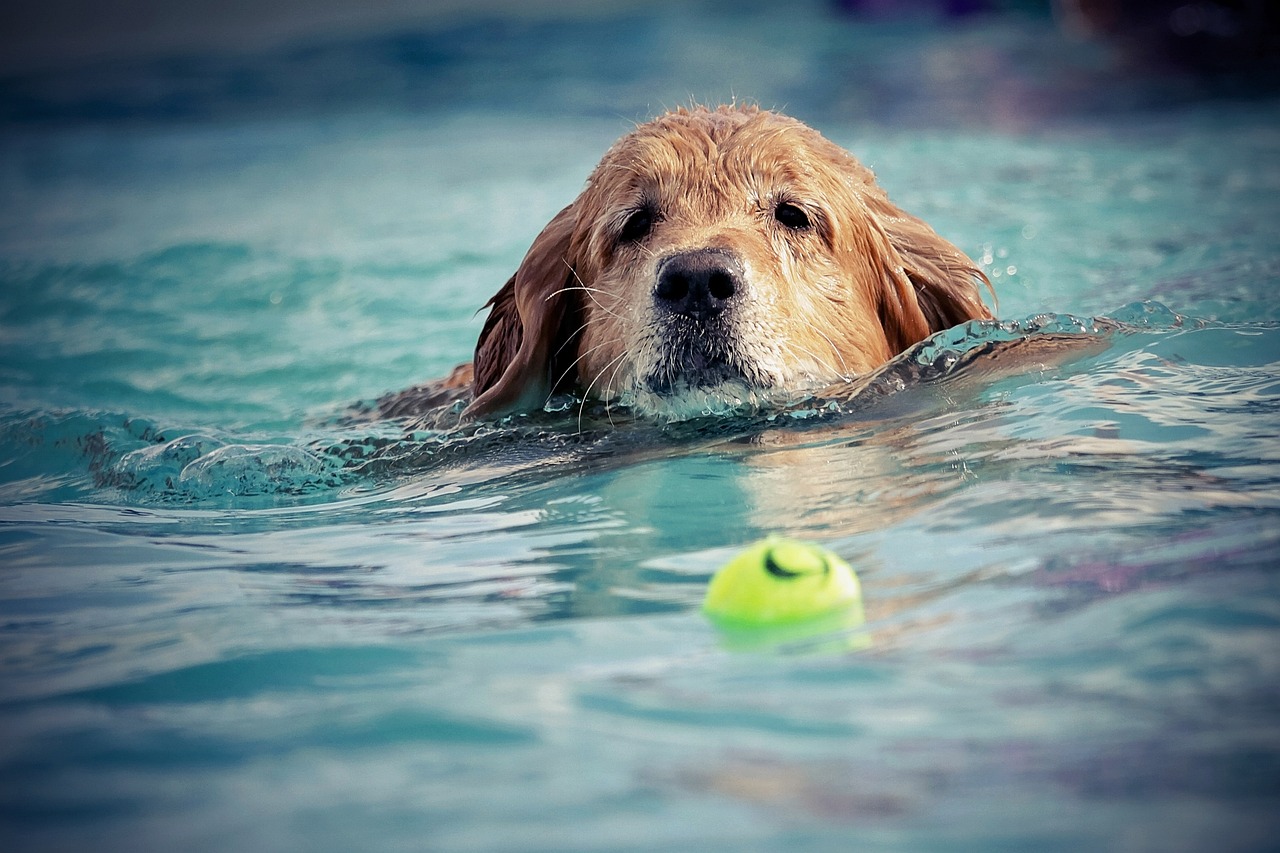
One of the most enjoyable swimming exercises for dogs is the fetch game. This classic game works wonders for improving your dog’s stamina and strength. Throw a buoyant toy or a ball into the water and watch your dog eagerly swim after it. This exercise not only creates an enjoyable environment for your dog but also helps strengthen their cardiovascular system. The repetitive action of swimming back and forth reinforces muscle building, and it keeps your dog mentally stimulated. As dogs chase after the toy, it engages their prey drive and adds excitement to the routine. Make sure to choose a toy that floats efficiently, preventing it from sinking into the depths. Remember that some dogs may take longer to grasp the concept of fetch, so patience is essential. Additionally, you can diversify the game by varying distances or using different toys to keep the exercise engaging. A great tip is to involve another dog or family member, enhancing the social aspect of swimming. Whether in a pool or at the beach, monitor your dog closely and ensure they take regular breaks to avoid fatigue during the game.
Water treadmill sessions provide an innovative way for dogs to experience the benefits of swimming, particularly for those who may be less inclined towards traditional swimming. Combining the effects of both water and treadmill exercises, this method facilitates a controlled environment for dogs to get a workout without the risk of overexertion. Many veterinary clinics and pet resorts have water treadmills ready for use, offering an engaging alternative. As dogs walk or run uphill in the water, they use various muscle groups effectively. This exercise can significantly improve a dog’s endurance and flexibility while managing their weight. Furthermore, water resistance enables dogs to build strength without the strain typically associated with land-based activities. Always ensure that the water temperature is comfortable and the treadmill is operated by trained personnel to provide proper supervision. Regular sessions can be tailored based on your dog’s unique needs and fitness level. Water treadmill workouts suit both young dogs and senior dogs, enabling them to maintain fitness while enjoying a stress-free experience during rehabilitation or fitness enhancements.
Designed Water Exercises
In addition to the aforementioned activities, dogs can engage in structured swimming workouts focused on strengthening specific muscle groups. These designed workouts generally involve various swim strokes like freestyle, dog paddle, or backstroke. When conducting such exercises, you can guide your dog through different strokes to encourage them to engage their entire body effectively. Incorporating buoyancy aids, such as life jackets, can promote safety while enabling your dog to swim comfortably. Utilize swimming aids, such as small flotation devices or even swim fins, accustomed to engage different muscle groups more rigorously. Ensuring your dog is comfortable in the water is crucial; adjust exercises based on their abilities and preferences. Incorporate interval training by alternating swimming speeds, allowing your dog to experience bursts of energy followed by slower laps. Monitoring your dog’s heart rate and breath rate during the sessions helps maintain a safe workout intensity. This structure promotes cardiovascular health while shaping an enjoyable exercise routine, ultimately leading to better health and fitness for your beloved furry friend.
Aqua agility is yet another exciting swimming exercise that allows dogs to hone their physical abilities while having fun. Integrating various agility equipment, such as tunnels, jumps, and weave poles in shallow water can enhance your dog’s coordination and overall strength. Training your dog in a fun and interactive environment builds confidence and increases their willingness to participate. Start slowly by introducing agility elements, ensuring your dog is comfortable with each piece of equipment before gradually increasing the complexity. As they become more adept, challenge their skills further by setting up timed courses or adding additional obstacles. Aqua agility enhances not only your dog’s physical capabilities but also their mental stimulation as they must learn how to navigate through the obstacles in the water. The combination of swimming and agility training creates an engaging atmosphere, allowing for social interaction with other dogs while exercising. Such exercises promote teamwork between you and your dog, solidifying your bond as you navigate through the obstacles together, making it a rewarding experience for both parties.
Interactive pool games effectively stimulate both the mind and body while enabling your dog to stay fit through swimming. Games like find the toy or treasure hunt setups in shallow waters can enhance problem-solving skills while promoting physical activity. In these activities, hide floating toys or treats to teach your dog a form of scent work. Encourage your dog to search in the water, as this motivates their instincts and arousal. This strategy also serves as a great platform for socialization, allowing other dogs to join in on the fun. Keep in mind that these games should always have a focus on fun and positive reinforcement; praise your dog as they engage with each task or successfully find a toy. By involving their sense of smell and providing tactile experiences in the water, it fosters mental and physical fitness. Varying the difficulty of the games will help maintain interest, ensuring your canine companion stays engaged. Celebrate their achievements in each game, rewarding them with verbal praises or treats, making it more delightful. Ultimately, these games are enjoyable and beneficial to maintaining your dog’s fitness level.
Conclusion
Swimming provides diverse and engaging workouts for dogs, ensuring they remain healthy and active throughout their lives. From the simple joy of fetching toys to advanced aqua agility games, swimming caters to various skill levels and preferences. It’s essential to keep your dog’s safety a priority while swimming so that they can enjoy this excellent fitness activity confidently. Regular swimming sessions allow for holistic physical benefits through low-impact activities that stimulate muscles and enhance flexibility. Integrate swimming as a part of your dog’s exercise routine to reap the numerous advantages associated with water workouts. In addition to improving physical health, swimming aids in enhancing mood and overall well-being through enjoyable spending time in the water. As you incorporate different exercises and games to keep your pet motivated, remember to observe their energy levels and adapt as needed. Building a strong bond and understanding your dog’s needs while in the water promotes a harmonious exercise experience. Ultimately, swimming is a valuable activity that can enrich your dog’s life, ensuring they remain healthy and engaged for many years.
As a general reminder, always consult a veterinarian before making significant changes to your dog’s exercise routine. This ensures that your dog’s fitness program aligns with their specific needs. If your dog is new to swimming, allow them to acclimate gradually to any water activity. With proper supervision and encouragement, they will likely thrive and relish their time swimming. Every dog enjoys the water differently; thus, tailor their experience based on their individual comfort levels. Whether it involves swimming games, workouts, or leisurely splashes, every activity contributes toward improving fitness, stamina, and overall health. By promoting swimming as a regular activity, you enable your four-legged friend to maintain a balanced lifestyle while promoting lifelong enjoyment as you explore the water together. Your dog is part of the family, and keeping them fit through enjoyable activities infuses joy into their lives. Fun, engaging, and safety-focused swimming routines ensure that both you and your dog create beautiful memories while staying active, so dive in and experience the joys accompanying your canine companion in the water!