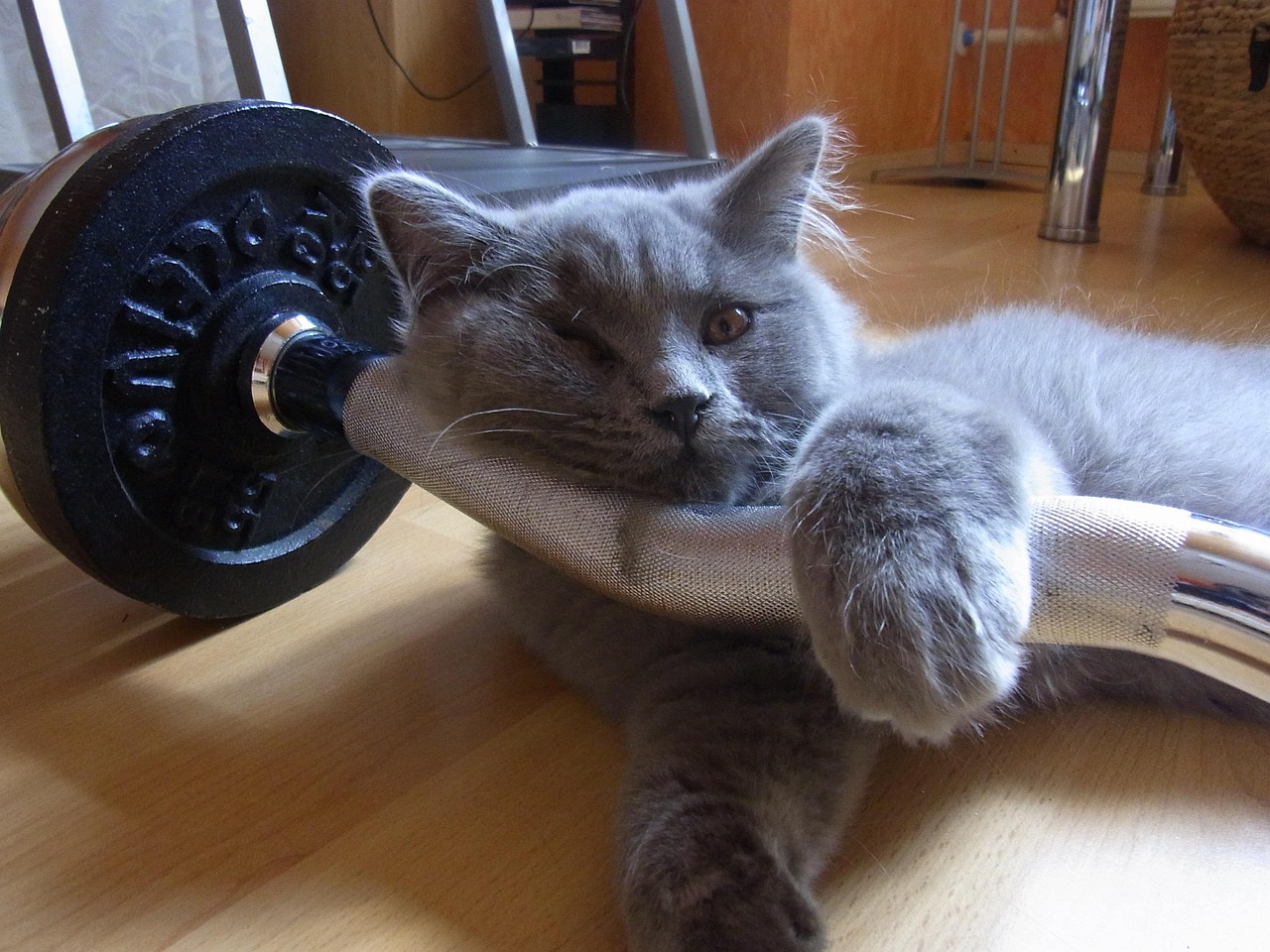

Training Your Cat with Commands to Lower Noise Levels
A calm home environment benefits your cat significantly, reducing anxiety. Training your cat with commands is an effective way to lower noise levels. Cats often respond to vocal cues, which can be utilized to create a peaceful atmosphere. Start by identifying specific sounds or behaviors that are bothersome. You can train your cat to associate a particular command with lowering noise. For example, when your cat meows loudly, use a consistent command, such as “quiet” or “softly.” Be patient and use treats to encourage compliance. Consistency is key; repetition helps your cat associate the command with the desired behavior. Explore other strategies, such as calming products or creating safe spaces. Providing a quiet corner with soft blankets or cozy beds can help your cat retreat peacefully when feeling overwhelmed. Engaging activities like puzzle feeders can keep them distracted from potential noise triggers. Make sure to keep sessions short and fun. Train your cat in environments with minimal distractions, ensuring both you and your cat remain focused. Over time, you’ll notice a positive change in your cat’s noise levels. Enjoy the benefits of a serene home together!
Another method to teach commands effectively is through clicker training, a favorite among cat owners. For effective communication, equip yourself with a clicker and treats. Begin by associating the sound of the clicker with rewards, creating a connection in your cat’s mind. Introduce the noise-reduction commands slowly and reinforce each successful attempt with a click and a treat. This positive reinforcement encourages your cat to engage more actively in learning. Practice regularly, ideally in short sessions tailored to your cat’s attention span. The environment should remain calm and free from distractions, making it easier for your furry friend to focus. If your cat begins to stray, simply refocus their attention with their favorite toy or treat. Be patient and understanding, as not all cats learn at the same pace; some may require more time. It’s important to celebrate small victories and maintain a cheerful demeanor throughout the training process. Gradually introduce the commands into your daily routine. Apply them during moments of potential noise, reinforcing the behavior you wish to cultivate. This consistent application can lead to a quieter household with a happy cat.
Understanding Cat Behavior
Understanding your cat’s behavior is critical when training commands to reduce noise. Each cat has unique characteristics, and identifying their triggers is the first step. Observe patterns when they make noise, noting any common factors or specific times. For instance, many cats respond loudly when hungry or seeking attention. Adjusting feeding times or spending more quality time may alleviate excessive meowing. Additionally, certain breeds tend to be more vocal; knowing your cat’s breed traits can help tailor your training. Cats often communicate through body language, so understanding these signals can enable you to respond effectively. Create an environment with designated relaxing areas that can soothe cats when they feel anxious. You might introduce calming pheromones to help create tranquility around your home. Engaging playtime using interactive toys can alleviate boredom and contribute to overall happiness, reducing the likelihood of excessive noise-making behaviors. Maintain a consistent approach, ensuring your commands are soft yet firm. Treats, affection, and praise will establish a supportive atmosphere for your cat during the learning process. With diligence and patience, noise levels can be minimized effectively.
Incorporating fun into training also improves the learning process. Keeping your sessions enjoyable not only benefits your cat but enhances your bond. Use playful techniques that resonate with your cat’s personality. If they love to chase, incorporate movement into commands by rewarding them after they approach quietly. Enriching the training experience ensures your cat looks forward to learning new commands. You might also consider involving family members in the process, contributing to a harmonious training environment. Establishing a routine can help as well; schedule training sessions at a time when your cat is most alert and relaxed. Reward them occasionally with playtime post-training to keep them motivated and engaged. If your cat shows resistance or reluctance, don’t force them, as this could lead to stress. Instead, take a break and resume later. Balance your training goals with your cat’s emotional health. Agreeing on signals with family members can also prevent mixed messages, resulting in confusion. Consistent commands across the board will strengthen your cat’s understanding and response, promoting a quieter household as they grow in confidence and skill.
Creating a Relaxing Environment
Another aspect affecting your cat’s noise levels is the surrounding environment. Reducing external noise will significantly impact your cat’s comfort and sense of security. Simple changes, like closing windows or adding soundproofing materials, can help minimize disruptions. Additionally, consider managing household activities that may cause noise during sensitive times. For instance, loud vacuum cleaners or boisterous parties can easily stress your cat. Have quiet hours during which more stimulating activities are minimized. You can utilize soft music specifically designed for cats to create an inviting atmosphere, aiding relaxation. Incorporating soft bedding, cat trees, or cozy hiding spots encourages your cat to feel safe and content. The setup of your living spaces can also impact behaviors; a calming color palette or soft textures may soothe your cat’s nerves. Be mindful of strong scents or cluttered spaces, as these can be overstimulating. Observe how your cat reacts to various changes, adjusting as needed. Keeping a consistent routine in feeding and playtimes can nurture tranquility and predictability. A relaxed environment fosters a sense of peace, leaving you with a quieter household that benefits all family members.
Combining physical exercise with training can yield positive results in reducing noise levels in your home. Regular physical activity is essential, as it helps alleviate excess energy and promotes mental well-being. Engage in interactive play sessions with your cat using toys that simulate hunting behaviors. Feather wands, laser pointers, or even ball toys can be excellent choices, ensuring your cat experiences varied stimuli. Incorporating exercise will help your cat to feel less inclined to vocalize out of boredom or anxiety. Make sure these play sessions coincide with quieter times in your household for optimal effectiveness. Encourage your cat to explore different environments as well, such as enclosed balconies or sunlit windowsills. These exploratory opportunities can minimize attention-seeking noise. Additionally, adopting a routine around play helps instill a sense of security and stability. Train your cat to verbalize requests softly, rewarding them for quieter behaviors. Consistency is crucial; encourage calmness after bouts of activity, reinforcing peaceful moments over vocal ones. Through a well-rounded approach to training, behavior improvement, and fostering a stress-free environment, you can train your cat effectively to lower noise levels.
Staying Consistent and Patient
Consistency and patience are vital in any training endeavor, particularly when reducing noise levels. Understand that change won’t happen overnight and that each cat learns differently. Monitor your progress, celebrating both minor and major successes. Use a clear and calm voice consistently when giving commands, as this helps your cat associate the tone with the desired behavior. Reinforcement should be regular; rewarding your cat immediately after they respond positively will solidify the behavior in their minds. If your cat backslides, stay positive and address it without punishment, focusing instead on what they can do to improve. You may need to adapt your training modifications, considering your pet’s mood or stress levels on particular days. Always have their well-being at heart; training should feel positive, not like a chore. Ensure to mix things up to keep them engaged; perhaps change the location of training sessions or introduce new toys to act as rewards. By remaining committed and nurturing an encouraging atmosphere, you will certainly help lower noise levels while strengthening your bond with your feline friend.
All efforts towards training your cat to lower noise levels contribute to a happier environment for both you and your furry friend. Remember to focus on the enjoyment of training rather than perfection. Each moment spent together builds a deeper understanding and connection, fostering trust and good behavior. Your approach to incorporating calm commands nurtures a more serene atmosphere at home. Gradually, your cat will respond more positively to potential noise triggers, navigating stress and anxiety effectively. The time invested in understanding body language and behavioral cues experiences a tremendous payoff in the end. Together, you can establish a routine that offers comfort and enhances your relationship. A quieter feline means a better experience for every household member, both human and furry. Use creativity in both training and playtime, allowing your cat to grow more confident in its skills. The bond you reinforce through this shared practice fosters positive interactions in the future. Celebrate achievements no matter how small, as they pave the way for improved behaviors. Remember, every cat is unique—adjust strategies according to what resonates with your pet’s personality for the best results.