
Using Puzzle Feeders to Engage Your Cat’s Mind
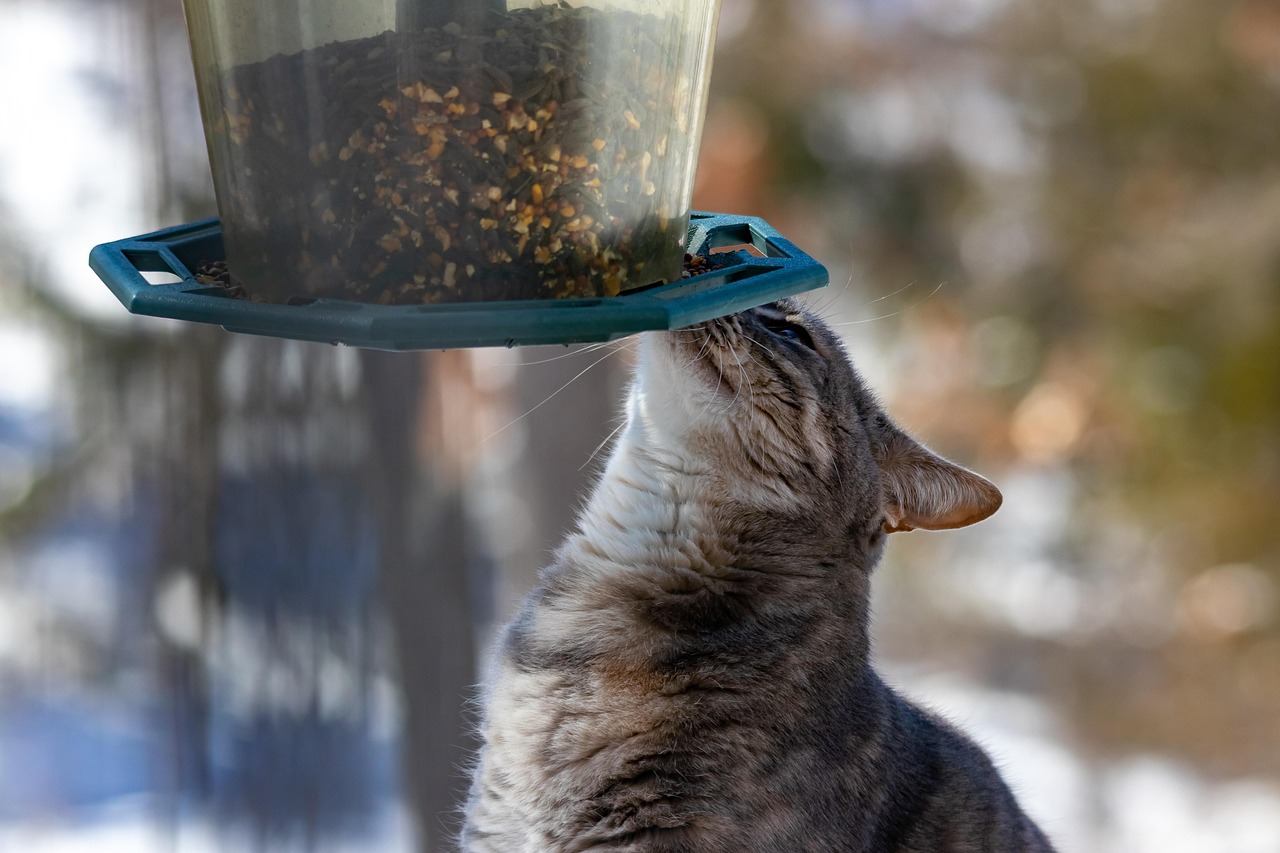
For cat owners seeking to enhance their kitty’s life, puzzle feeders prove to be an excellent way to promote mental stimulation. These feeders turn mealtime into an engaging activity, ensuring your feline friend is not merely eating but also working for their food. Not only do they challenge them mentally, but they also help in preventing rapid eating and obesity, issues prevalent in many cats. Puzzle feeders come in various styles, from basic designs that only require paw interference to complex setups demanding problem-solving skills. When introducing a puzzle feeder, start simple to avoid discouragement, ensuring your cat does not get frustrated and stays interested. As your cat masters each level, gradually introduce more complex challenges. This progression keeps them engaged and prevents their environment from becoming monotonous. Moreover, feeding time becomes a delightful, interactive session rather than a quick chore, enhancing the human-feline bond. Cats that engage in these activities demonstrate increased confidence and curiosity, essential traits that contribute to their overall well-being. Discover which puzzles your cat enjoys, transforming feeding into a fun and enriching experience that lasts a lifetime.
In addition to providing entertainment, puzzle feeders incorporate a physical aspect that is vital for your cat’s health. Active hunting behaviors, which are somewhat innate to felines, are stimulated through these interactive feeding methods. Cats in the wild must hunt for their food, and puzzle feeders mimic this necessity, allowing them to engage in natural behaviors safely indoors. Combining both physical activity and cognitive challenge, these feeders help reduce boredom, anxiety, and destructive tendencies that might arise from an unstimulating environment. Rotate various puzzle feeders to keep things fresh; this practice prevents your cat from losing interest over time. You can purchase different ones from pet stores or create homemade versions. Use items like muffin tins, cardboard boxes, or toilet paper rolls, filled with treats or kibble. Such an approach not only saves costs but provides an opportunity for creativity. Regular engagement through puzzle feeders has been linked to better feline behavior overall. It’s essential to monitor your cat as they solve the puzzles, ensuring they don’t become overwhelmed or exhausted, enhancing the enriching experience.
Choosing the Right Puzzle Feeder
When selecting a puzzle feeder for your cat, consider their preferences and skill level. Cats vary significantly in their willingness to engage with new toys or tools. Some cats may leap at the chance to try a complex device, while others require gentler introductions to familiarize themselves with the concept of a puzzle feeder. Start with basic feeders featuring easy access and a few pieces to manipulate. Observe your kitty’s response, and take notes on what they find exciting and challenging. As your cat becomes accustomed to the idea of working for food, gradually introduce more intricate designs that offer higher difficulty levels. Look for feeders offering adjustable difficulty settings, allowing you to adapt the challenge as your cat’s skills improve. Ensure that the material used is safe, durable, and easy to clean, as hygiene is vital for food containers, especially with wet or moist food. Reliable feeders can typically be found at reputable pet stores or online retailers, offering varied options tailored to your cat’s taste. Assessing quality over aesthetics ensures your serving experience remains satisfying for both you and your feline companion.
Additionally, timing is crucial when it comes to introducing puzzle feeders to your cat’s routine. Select moments when your pet is naturally active and entertained to make the incorporation of a new toy more enjoyable. Early mornings or evenings, right after a playful session, can serve as excellent opportunities to unveil a puzzle feeder. Cats are more likely to engage with these feeders when they’re energized and curious. Allow them to explore the puzzle feeder without immediate pressure to eat; encourage exploration and discovery. By presenting the feeder as a game rather than merely a feeding device, you shift their perspective, enhancing overall engagement. Regular consistency in using puzzle feeders can pave the way for establishing a daily routine that keeps cats stimulated and interactive. Sometimes, you can make feeding sessions part of interactive playtime involving your presence, which increases bonding time for both you and your cat. Measuring the feeding duration and watching their behavior during these sessions can provide valuable insights into your pet’s cognitive and physical development, ultimately resulting in a happier daily life for your cat.
Understanding Your Cat’s Needs
Every cat has its unique personality, requiring varied approaches to engage their mind effectively. Take the time to understand what challenges draw your kitty’s attention. Some felines naturally gravitate toward visual challenges, while others might favor tactile exploration. Take cues from your cat’s behavior with existing toys; if they respond enthusiastically to specific movements or mechanisms, look for puzzle feeders that incorporate similar features. Beyond just the structure of the feeder, pay attention to the type of food offered. Different scents and textures in foods can significantly impact your cat’s willingness to participate. Cats are also easily bored; therefore, rotating offerings and types of food can maintain their interest over time. Keep an eye on them to ensure they are receiving proper nutrition and maintaining a healthy weight while interacting with puzzle feeders. Behavioral changes can indicate if the puzzle feeder suits your cat; if they become frustrated, it may be necessary to simplify the challenge. Understanding your cat’s reactions helps ensure that feeding time remains positive and enriching for both of you.
Lastly, puzzle feeders foster connectivity among felines and their human guardians. Engaging with your cat over a puzzle meal provides an excellent opportunity for communication and playfulness, strengthening your bond. Cats thrive on relationships built on trust and positive interactions. As they work through the challenges presented by the feeders, prompt your cat verbally or with gentle encouragement. Use praise and gentle petting to make the interaction enjoyable, ensuring that your feline experiences feeding as a rewarding activity. Aim to challenge their minds without overwhelming them, allowing them to experience a sense of accomplishment after solving the puzzle. Cats exhibit more engagement and curiosity when they recognize you as a participatory figure in their activities. Observe how your cat responds to verbal and physical encouragement, adjusting your approach accordingly to provide the best experiences. The time shared can significantly enhance the emotional well-being of both the cat and owner, extending beyond feeding. With patience and creativity, your cat’s experience can transform feeding into brain-stimulating fun, leading to a happier, healthier feline family member.
Benefits of Engaging Your Cat
Overall, using puzzle feeders not only caters to your cat’s instinctual hunting urges but also alleviates boredom, making it a superior approach to traditional feeding methods. These devices encourage critical thinking and problem-solving skills, showcasing the intelligence of our feline friends. Engaging their minds through enjoyable challenges reduces the behavioral issues often found in cats deprived of mental stimulation. Many cats also develop better motor skills through handling puzzle feeders, contributing to their overall physical health. By addressing the unique needs of your cat, you promote a balanced lifestyle that encapsulates their physical, emotional, and mental well-being. This ultimately leads to a more content cat, clearer expressions of happiness, and reduced apprehensions toward new experiences. Puzzle feeders can prove beneficial for cats of all ages; even senior cats can find joy in engaging their minds through various levels of puzzles. Incorporating these feeders into your routine not only creates memorable moments but also fosters an enriched environment that truly values the innate abilities of our furry companions. As you provide these enriching experiences, you will likely witness the transformation in your feline companion’s behavior.
In conclusion, the journey of integrating puzzle feeders into your cat’s life leads to a plethora of benefits, enhancing your pet’s emotional and physical health. It requires an investment of time and effort from the owner to find suitable solutions that meet their cat’s specific requirements, yet the rewards are significant. Puzzle feeders should not be considered just feeding utensils; they serve as tools to offer much-needed mental stimulation while nurturing the bond between cat and caregiver. With the right selection and an understanding approach, feeding can become an enriching and enjoyable process. Owners are encouraged to explore various types and styles to determine what captivates their cat and keeps them engaged over time. Embrace the creativity involved in crafting homemade feed puzzles as part of this journey. Regularly dedicate time to observe and appreciate how your cat engages with these challenges, allowing the joy of feeding to manifest in new ways. In doing so, you empower your cat to embrace their environment, fostering happiness and enhancing the joy found within your home. Overall, a thoughtful approach to feeding ensures a well-rounded atmosphere for both you and your cherished feline friend.