
Why Dogs Love Noise-Making Toys: An Expert’s Perspective
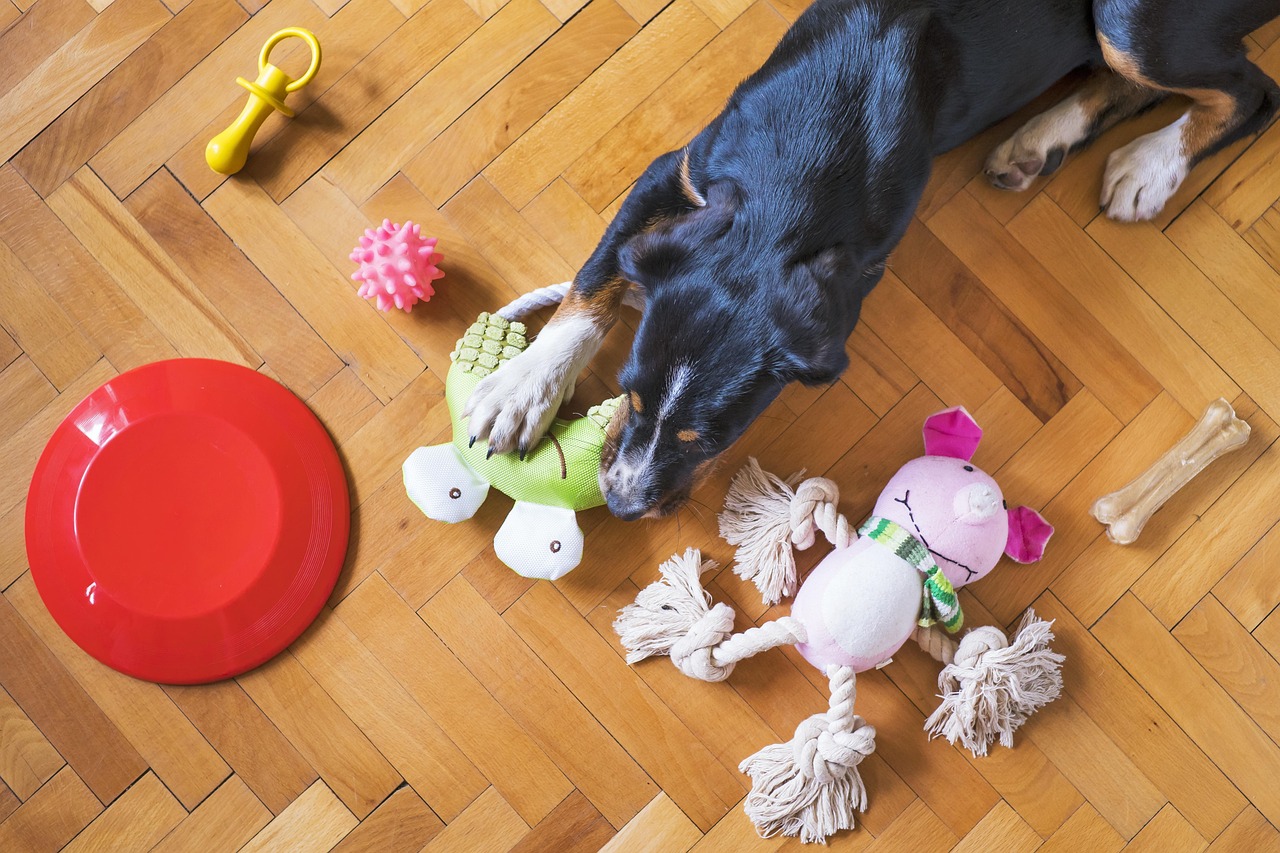
Dogs have a natural affinity for sounds, making noise-making toys incredibly appealing to them. These toys often produce squeaks, rattles, or other sounds that engage a dog’s auditory senses. When dogs hear these intriguing noises, they become stimulated and curious, which piques their interest significantly. The sound often imitates something exciting, perhaps prey or another animal, igniting their playful instincts. Additionally, noise-making toys can foster independence in pets, alleviating boredom and providing entertainment when owners are unavailable. Playing with these toys can enhance a dog’s problem-solving skills, keep their minds sharp, and provide physical exercise, essential for a dog’s well-being. Owners can use these toys as tools in playtime to encourage exercise and movement. When dogs chase, bite, or chew on these toys, they can satisfy their natural predatory instincts. It’s important to choose the right noise-making toy that suits the individual dog’s preferences. Every dog is unique, and finding the right fit can help maximize enjoyment, whether they prefer softer sounds or louder, more vibrant noises.
Furthermore, noise-making toys serve as excellent outlets for stress relief and anxiety in dogs. Just as humans find comfort in stimulating activities, dogs too can benefit greatly from engaging toys that challenge them mentally and physically. These toys enable dogs to release pent-up energy, which can directly correlate to reduced anxiety levels. The engaging sounds may provide a sense of security, especially for rescue dogs or those facing separation anxiety. By engaging in play with noise-making toys, dogs may learn to cope with these stressors more effectively. This process helps establish a routine where sound toys become part of a dog’s daily life. Dogs can develop a preference for their specific noise-making toy by associating it with joyful or calming experiences, thereby reinforcing positive behavior patterns. Additionally, these toys can be excellent tools for training, allowing owners to use the toy as a reward or motivational tool when teaching commands. Creating opportunities for interactive playtime using noise-making toys can strengthen the bond between dog and owner, further enhancing the overall relationship.
Social Interaction and Bonding
Engaging in play with noise-making toys can facilitate social interaction between dogs and their owners. When owners join their pets in playtime, it becomes a bonding experience that boosts the dog’s confidence and affection toward their humans. The sounds emanating from the toys can incite playful behaviors that prompt laughter and excitement, making playtime a joyous occasion. Beyond the human-animal bond, these toys can also encourage socialization with other dogs. In dog parks, for instance, noise-making toys might draw attention and even encourage group play, allowing dogs to engage in interactive games. Such interactions can help reduce behavioral issues related to boredom or isolation. Owners can leverage the popularity of these toys among their pets to create positive associations in various situations such as gatherings or training sessions. The result is a more well-adjusted dog that can interact positively with both people and other dogs. In essence, properly used noise-making toys can enhance social dynamics, providing not just entertainment but essential developmental opportunities.
Safety is paramount when selecting any toys, especially noise-making ones. Owners should always be aware of the quality and safety of the materials used in these toys. Harmful chemicals or small parts can pose unintended risks to a dog’s health. Therefore, it is advisable to choose reputable brands known for producing safe dog toys. Regularly inspecting toys for wear and tear will ensure they remain safe to play with over time. Furthermore, it’s vital to understand and observe a dog’s play habits to know when to replace toys. If a dog seems overly aggressive or possessive over a specific toy, monitoring their behavior in these instances becomes important. Some dogs may develop destructive tendencies if they find a toy too enticing or challenging. Therefore, balancing toy engagement with proper training can help. By providing a variety of noise-making toys, pet owners can determine which sounds and interactions most appeal to their dogs while keeping safety their top priority in the selection process.
Variety in Gameplay
Incorporating variety into a dog’s playtime routines with different noise-making toys can greatly enhance their interest and prevent monotony. Dogs thrive on stimulation and excitement, and varying the types of sounds helps maintain their engagement. Some toys may produce high-pitched sounds, which can attract a dog’s attention, while others may have lower frequencies that offer different types of stimulation. This variance caters to individual dog preferences, ensuring playtime remains fresh and enjoyable for each pet. By rotating noise-making toys based on your dog’s mood or energy levels, you optimize their playtime experience. New or different toys can reignite interest and enthusiasm, transforming ordinary play into extraordinary fun. Additionally, this keeps both dogs and their owners entertained, as engaging in play helps strengthen their connection. It is crucial to observe how dogs respond to different sound types and materials; this will inform future toy selections and purchases. Overall, variety increases the emotional and physical health benefits that dogs can reap through interactive play and keeps them returning for more.
Moreover, noise-making toys can also serve as excellent training tools, especially when combined with positive reinforcement methods. By integrating sound-producing toys into training sessions, owners can create motivating and engaging environments for their dogs to learn. For instance, using a squeaky toy as a reward during obedience training encourages dogs to associate commands with positive outcomes. This tactic can be particularly helpful for teaching commands like ‘sit’ or ‘stay’, allowing for creativity in training sessions. Dogs learn more enthusiastically when rewards are fun and exciting, and noise-making toys can help in that effort. However, trainers and pet owners need to ensure that play doesn’t become too distracting during training. Balancing excitement with focused attention is key. As they master commands, dogs can also enjoy interactive play with noise-making toys as a reward for their efforts. Ultimately, noise-producing toys not only provide entertainment but also have practical applications in facilitating effective training and skill development in dogs.
The Bottom Line on Noise-Making Toys
In conclusion, understanding the appeal and benefits of noise-making toys for dogs opens up a world of opportunities for enhancing canine happiness and well-being. These toys cater to various needs, including mental stimulation, physical exercise, and social engagement. Additionally, they contribute to stress relief and anxiety reduction, proving to be beneficial for many dogs. Safety should remain a priority, ensuring that the toys are safe and appropriate for each individual dog’s play style. The variety in sound and type of toys helps maintain interest while promoting positive behavior and training. By selecting the right noise-making toys and incorporating them effectively into a dog’s lifestyle, owners can create enjoyable play experiences that contribute to their pet’s overall quality of life. Furthermore, spending quality time playing with these toys strengthens the bond between dogs and their owners, promoting mutual respect and happiness. Therefore, investing in noise-making toys can be an integral part of any dog’s growth and development, making playtime both rewarding and entertaining.
As they explore the benefits, pet owners should be encouraged to experiment with various types of noise-making toys to find those that resonate most with their furry friends. The exploration process can lead to delightful discoveries and enhanced interactions, enriching both the dog’s life and the owner’s experience. Overall, noise-making toys hold the promise of enhancing canine companionship, improving bonding from playful experiences, and paving the way for happier, healthier pets. Engaging in an active dialogue regarding dog behavior and preferences can ultimately promote positive choices for both owners and their pets, leading to meaningful connections and joyful play.