
Changes in Grooming Behavior as Cats Age
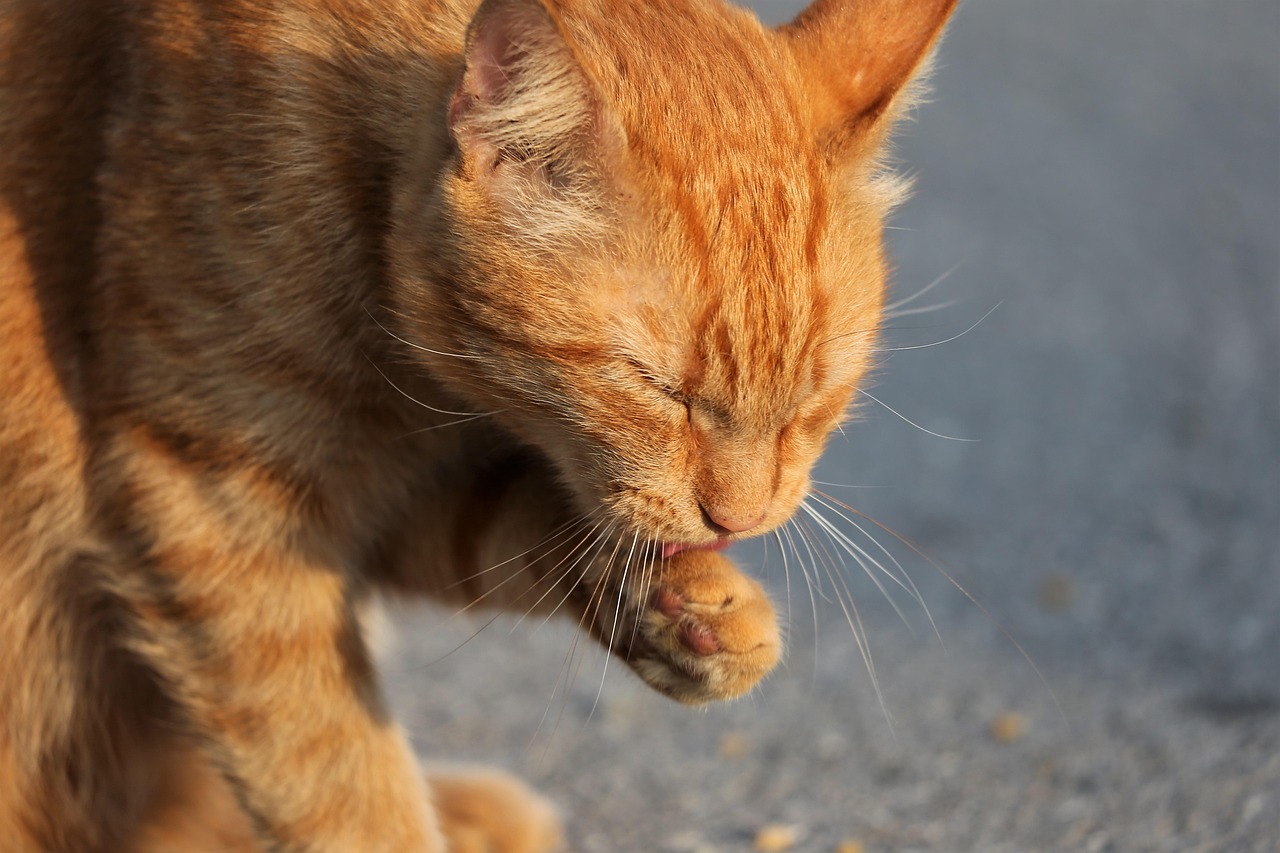
Understanding how grooming behavior changes as cats age is essential for every cat owner. Kittens and young cats exhibit a playful attitude towards grooming, often spending time licking and playing with one another. This behavior helps establish social bonds and teaches them specific grooming techniques. As they grow, their grooming actions become more about self-maintenance than social interaction. Adult cats typically show a more routine approach to grooming, dedicating their time to managing their own hygiene needs. This behavior is vital for their overall health, as consistent grooming helps remove loose fur and reduces the risk of hairballs. However, older cats may begin to slow down in their grooming habits due to declining energy levels and possible arthritis. Changes in grooming can also signal health issues in senior cats. Less frequent grooming might indicate discomfort, pain, or even skin disorders. Monitoring your cat’s grooming patterns provides insights into their physical and emotional well-being, allowing for early intervention if any health problems arise. Make sure to adjust your approach as they age, offering assistance when necessary to keep them healthy and clean.
As cats mature, their nutritional needs shift as well, impacting their grooming habits. Young cats benefit from diets rich in protein and essential fatty acids, which promote healthy skin and coat. Older cats, conversely, may require specialized diets to address health issues, such as obesity or dental problems. These dietary changes can affect their overall grooming behavior, as a proper diet will support a healthy coat and skin, enabling regular grooming. If a senior cat is not groomed effectively, this can lead to matted fur and skin irritation. This is particularly true for long-haired breeds, who may need additional assistance from their owners. Providing regular brushing can help maintain healthy fur, especially as your cat transitions through its senior years. Also, ensuring they receive hydration is crucial for maintaining skin elasticity, essential for grooming tasks. An older cat that consumes adequate water will exhibit better self-grooming habits than one that is dehydrated. Always consult your veterinarian if you notice drastic changes in grooming that may be influenced by diet, hydration, or their overall health, ensuring your feline friend remains comfortable and clean.
Understanding Grooming Patterns
As cats age, their grooming patterns evolve, reflecting their physical and social changes. Kittens showcase exuberant grooming behaviors, emphasizing play and joyful interactions with littermates. They learn essential grooming techniques during these formative years. Adults exhibit a more serious grooming schedule, focusing on self-cleaning for hygiene and comfort. This stage of grooming is crucial for maintaining a healthy coat and minimizing stress. In contrast, aging cats often groom less frequently due to decreased mobility and potential discomfort from aging joints. Minimal grooming can lead to matting and skin problems. Strengthening bonds with older cats through gentle grooming can be beneficial. Offering extra care during grooming sessions can ease their anxiety and ensure their comfort. Taking the time to brush their fur can help strengthen your bond while ensuring their skin remains healthy. Grooming also serves a dual purpose in aging felines, as close contact allows for the observation of any notable changes in their skin. Regular grooming helps to form a routine, which reassures cats that they are in a safe environment, enhancing their overall emotional well-being during this transitional phase.
Social dynamics also shift significantly as cats age, influencing their grooming behavior. Young cats often groom each other, fostering social bonds and providing comfort. Adult cats might still engage in this behavior but typically become more independent, concentrating their grooming efforts on their own fur. Senior cats, however, may struggle with fostering social interactions. Aging can lead to a more solitary lifestyle, further impacting grooming behavior. If older cats feel isolated from their owners or other pets, they may show less interest in self-care. Owners must remain proactive in ensuring these older cats maintain proper grooming practices. This may entail implementing more frequent grooming sessions and creating a warm environment that encourages interaction. These sessions can stimulate their instincts and enhance their emotional health. Monitoring local grooming sessions also helps maintain a comfortable routine. Regular social interactions, coupled with grooming, can stave off mental decline and promote ongoing engagement. Always observe changes in their behavior and adapt your approach accordingly, fostering a nurturing environment that still allows your senior cat to feel loved and engaged.
Signs of Aging in Grooming Behavior
Identifying signs of aging in grooming behavior is critical for cat owners. As cats enter their senior years, several indicators can reveal changes worth noting. One prominent sign is the reduction in self-grooming frequency. Cats, who once engaged in thorough grooming routines, may begin neglecting their hygiene as they age. Dry, unkempt fur or visible mats can be alarming signs of revamping grooming habits. Another potential indicator is the change in grooming technique. With arthritis or discomfort, older cats may have difficulty reaching certain body areas, leading to irregular grooming patterns. Additionally, changes in appetite or sudden weight fluctuation may also affect grooming behavior. Sharply decreased energy levels often result in less movement and engagement in activities that stimulate grooming. It is essential for cat owners to monitor these fluctuations diligently. Regular veterinary check-ups will help identify underlying health issues contributing to grooming changes. Understanding these aging signs ensures owners can provide the necessary support to maintain quality of life in their feline companions, helping their beloved pets enjoy comfortable senior years.
Owner involvement plays a significant role in a senior cat’s grooming habits. With age-related issues like arthritis or reduced energy leading to grooming neglect, owners must actively engage in their cats’ hygiene practices. This responsibility could come in the form of regular brushing but can also extend to appropriate bathing when necessary. Ensuring coat maintenance is essential to prevent mats, tangles, and skin irritations. Owners should approach brushing gently and with patience, as older cats may respond better to softer strokes compared to more vigorous grooming styles. Offering treats during grooming can help create a positive association with these sessions. Additionally, monitor any physical or behavioral changes prior to grooming, making sure that it is as stress-free as possible for your feline friend. Cats can be quite sensitive, and modifying grooming practices according to their needs keeps them comfortable. Throughout the entire grooming process, remain attentive to their signals, encouraging breaks as they need them. Adjusting grooming techniques to accommodate your aging cat’s desires fosters a deeper bond. You can assist them in maintaining hygiene and comfort, enriching their well-being overall.
Conclusion and Tips for Maintaining Grooming
As your cat ages, it’s essential to remain vigilant about changes in grooming behavior. Being proactive in providing grooming assistance allows your feline friend to maintain a healthy and comfortable lifestyle. Regular check-ups with the veterinarian can help to identify any underlying health issues that may affect grooming. Owners should develop a grooming routine that accommodates their senior cat’s capabilities and needs. Pay attention to changes so necessary adjustments can be made to ensure every session remains stress-free. Quality grooming time can be part of the bonding experience that reassures your cat they are valued. Providing a calm environment with decreased noise levels can make the grooming experience more pleasurable for older cats. Always keep grooming tools suitable for their coat type, ensuring comfort during brushing sessions. Lastly, keep an eye on their skin and coat conditions, celebrating any efforts your cat makes during grooming. Altering the approach to grooming demonstrates the positive effects on their emotional well-being. By understanding the importance of grooming in their lives, owners can help their beloved cats enjoy their golden years with dignity and care.
In conclusion, recognizing and adapting to changes in grooming behavior is vital as your cat ages. From playful kittens to dignified seniors, their grooming habits significantly influence their overall well-being. Engaging in regular grooming routines helps foster better hygiene and provides opportunities for closer bonding experiences. Learning to observe any shifts in habits will ensure proactive approaches are taken to keep them comfortable and clean. Working closely with veterinary professionals enables owners to understand the unique needs of an aging cat better. Offering gentle care and modifying grooming techniques creates a nurturing environment that promotes their emotional health. Overall, grooming remains an essential activity that enhances the quality of life for older cats, providing them with a sense of security and maintaining their health. Through attentiveness and understanding, owners can support their feline companions as they navigate the challenges of aging. Remaining active in their lives, fulfilling grooming needs while keeping them engaged contributes to their happiness. Cats are wonderful companions, and by participating in their grooming journey, owners can ensure they feel loved, respected, and valued throughout their lives.