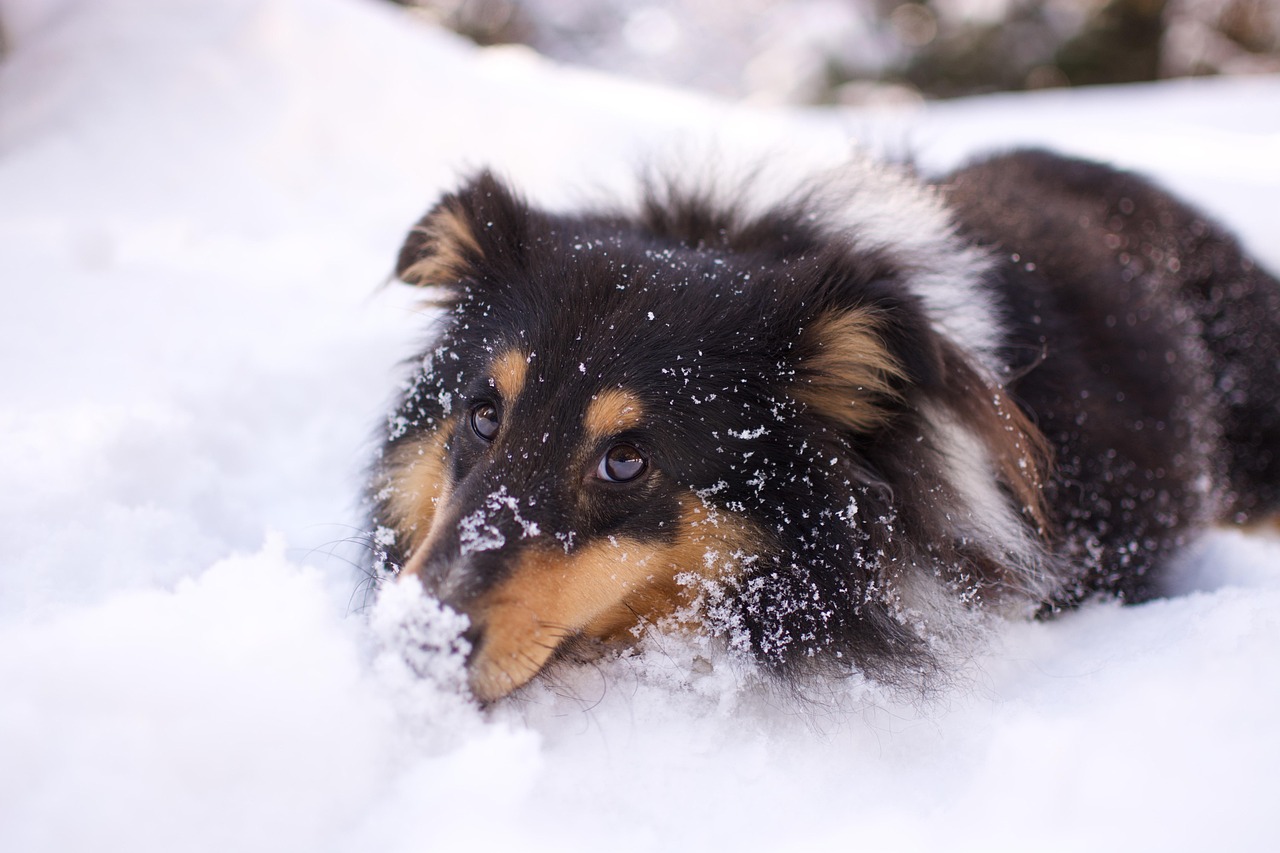

Cold Exposure Prevention Strategies for Working Dogs
Working dogs play a vital role in various jobs, including search and rescue, herding, and law enforcement. Exposure to cold weather can pose health risks, particularly if preventive measures aren’t implemented. Cold temperatures can lead to severe conditions like hypothermia and frostbite. A proactive approach includes knowing the signs of cold exposure, educating handlers, and utilizing proper gear. Always keep an eye on your dog’s behavior; if they seem lethargic or excessively shivering, it’s time to act. Ensuring your dog stays warm and dry is essential for their health and performance. Planning for breaks in sheltered areas can significantly reduce their exposure to cold. Familiarize yourself with local weather and temperature conditions to better prepare for outdoor working sessions. Establishing a routine that includes transitions between warmer and colder environments throughout your day can help their adaptation skills. Additionally, conditioning your dog for colder conditions gradually can also be beneficial. Training in a range of temperatures can enhance their tolerance and ensure they remain effective in their roles under less than ideal conditions.
Understanding Hypothermia Risks
Hypothermia occurs when a dog’s body temperature drops to dangerously low levels, causing various physiological issues, including decreased heart rate and impaired organ function. It’s crucial to recognize that certain breeds, particularly those with short coats or low body fat, are at a higher risk. Signs of hypothermia can include shivering, sluggishness, and uncoordinated movements. Immediate action is crucial; start by moving the dog to a warmer location, wrapping them in blankets, and providing warm fluids if necessary. The priority is to raise their body temperature gradually. Dogs working in cold, wet, or windy conditions may face increased risks, making it essential for handlers to monitor conditions before sending their dogs out on assignments. Specific training and experience can play a role in adapting your dog’s skills to different climates. Utilize safer training methods, such as gradual exposure, to allow the dog to acclimate to the cold successfully. Keeping a dog dry through appropriate gear helps maintain their core temperature, especially during adverse weather conditions. Preparing your dog for these changes through short, controlled exercises can effectively increase their resilience against hypothermia risks when working outdoors.
Furthermore, clothing and gear designed for both warmth and mobility can greatly improve a working dog’s performance in cold conditions. Dog coats made from insulated, waterproof materials are ideal, as they keep the dog’s body temperature regulated while working in adverse weather. Additionally, boots can protect sensitive paw pads from ice and snow, reducing the risk of frostbite significantly. When selecting gear, ensure it fits well, allowing dogs to move freely while being warm and secure. Exposure to the elements can also lead to issues like chapped paw pads or cracked noses, so check your dog’s paws regularly and apply protective balms as needed. Consider your dog’s specific working conditions and their individual responses to cold when determining appropriate clothing and gear. Every dog is different, and what works for one may not work for another. Coordination with a veterinarian can help ensure you are taking the best precautions for your working dog. A comprehensive approach will involve modifying environments, providing gear, and closely monitoring dogs during cold exposure while on duty.
Structured Breaks and Warm-Up Techniques
Incorporating structured break periods for your working dog is essential during prolonged exposure to cold environments. Regularly scheduled breaks allow the dog to warm up, hydrate, and recover from exertion. During breaks, find enclosed or sheltered areas that help shield the dog from biting winds and snow. Assess their condition, paying attention to any signs that indicate discomfort or chilling. Create a warm, engaging atmosphere for your dog, providing them food that fuels energy and warmth, such as dry kibble or high-calorie treats. An additional strategy would be to perform simple warm-up exercises during breaks to promote blood flow and maintain muscle warmth, which keeps them agile and helps prevent injuries. Encourage your dog with familiar commands or enjoyable activities to make this time beneficial. Planning these breaks ahead in specific locations reduces downtime and makes your working time more effective. The overall goal is to optimize performance by ensuring your working dog recovers well from exposure, eagerly gearing up for the next round of work without risking their health or comfort in cold conditions.
Moreover, adapting training sessions to progressively challenge your dog in colder climates can build their endurance and tolerance. Begin conditioning with short sessions in cooler weather and gradually extend these periods as they become comfortable. This will help them acclimate physically and mentally to working in harsher conditions. Mixing training with play can also make the experience enjoyable while still acclimatizing them. Pairing a loving approach with discipline can yield better results during cold exposure preparation. Collaboration with professional trainers experienced in cold weather training techniques can further assist handlers in understanding optimal practices. Keep your dog’s age, health condition, and previous training in mind to ensure customized approaches. Moreover, hydration is vital for maintaining optimal bodily functions, so ensure your dog remains hydrated, as moisture is critical for staying warm. Well-hydrated dogs can sustain energy levels, contributing positively to their performance in challenging conditions. The well-being of your working dog during cold weather is paramount in maintaining their efficiency while minimizing cold exposure risks to ensure they remain healthy and perform optimally.
Monitoring Health and Temperature
Regularly monitoring your working dog’s temperature and overall health can prevent complications related to cold exposure. A dog’s normal body temperature ranges between 101°F to 102.5°F, and any significant deviations should raise concern. Utilize a digital thermometer designed for pets, which will give you accurate readings to assess your dog before or after outdoor sessions. Knowing how to read your dog’s body language and physical signs will enhance your handling effectiveness. Pay attention to their energy levels, appetite, and behavior, as noticeable changes may indicate health issues. Keep a close watch for initial hypothermia signs and act swiftly if you suspect it. Consult with a veterinarian for appropriate action and care, as well as periodic health assessments tailored to working dogs in extreme weather. Maintaining open communication with your vet creates a proactive relationship that can assist in tracking your dog’s health over time. Regular vet checks ensure that your dog is fit for the rigors of cold weather work, preventing unnecessary health risks associated with prolonged exposure to chilly conditions. Taking these steps will create a safer working environment for your dogs and yourself.
In conclusion, preventing cold exposure in working dogs requires a multi-faceted approach, focusing on proper training, equipment, and health monitoring. Evaluate your dog’s breed and physical attributes to choose the right clothing, gear, and training methodology. Create an effective routine that combines breaks, hydration, food, and gear adjustments that allow working dogs to thrive in cold conditions. Invest in quality equipment specifically designed for temperature regulation. Maintain an open dialogue with veterinarians and trainers about unique challenges in colder environments. Building a comprehensive awareness of hypothermia and cold exposure factors not only safeguards the health of your dog but enhances their ability to perform necessary tasks. Dog handlers who develop preventive strategies can significantly reduce risks associated with cold exposure, ensuring their canine partners remain agile and effective on duty. Ultimately, success in cold environments relies on preparedness, adaptability, and consistent care that prioritizes the well-being of working dogs in challenging conditions. With the right knowledge and tools, handlers can ensure their working dogs continue to serve efficiently, even in colder climates.