
Handling Sensitive Cats During Grooming Sessions
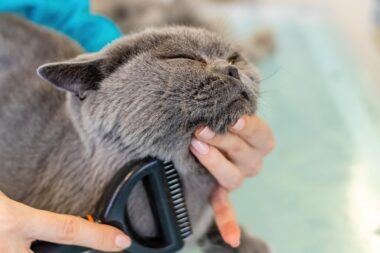
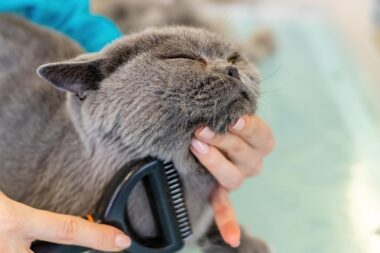
Grooming sensitive cats requires a thoughtful approach that adapts to their unique needs and personalities. Cats that are easily stressed or skittish may react negatively to grooming sessions, leading to a difficult experience for both the cat and the owner. To create a positive environment, consider starting the grooming process with a calm and quiet space where the cat feels safe. It’s essential to familiarize them with grooming tools like brushes and combs before any actual grooming starts. Allow them to sniff the equipment, thus reducing their anxiety. You can try working on one section of their body at a time rather than attempting a full groom all at once. Frequent short sessions are better than infrequent long ones, as it prevents overwhelming the cat. Additionally, rewarding your cat with treats and praise after each grooming session can help build good associations with the process. Patience is crucial, and every cat has its tolerance level. If your cat consistently shows anxiety, it may be advisable to consult a professional groomer or veterinarian for tailored advice and support on grooming sensitive felines.
Understanding Sensitivity in Cats
Sensitivity in cats can greatly impact their grooming experience. Understanding the underlying reasons for this sensitivity is the first step in addressing grooming challenges. Some cats may have had prior negative experiences that shape their behavior when approached with grooming tools. Others may simply be more temperamentally sensitive, reacting strongly to touch or unfamiliar situations. Breeds known for their more anxious dispositions, such as Siamese and Abyssinians, often require special attention during grooming. Signs of stress can include flattened ears, twitching tails, or even attempts to escape. By recognizing these signals early, you can tailor your approach to reduce anxiety. Focus on creating a calm ambiance, perhaps with soothing music or gentle scents. It can also help to introduce grooming tools incrementally and associate them with calm interactions, utilizing treats or playtime to encourage positive associations. Be consistent with positive reinforcement to help the cat feel safe and secure. Moreover, brushing down a cat’s back in the direction of the fur growth is essential for comfort. Adjust your technique as needed to suit the specific breed and personality of your cat.
Many cat owners may wonder about the best grooming techniques for sensitive cats and how they relate to various breeds. Long-haired breeds like Persians present their own challenges; their fur mats easily, which can be painful to deal with if not groomed regularly. While short-haired breeds like the British Shorthair may not require as frequent grooming, they too need attention to prevent shedding and hairballs. Identifying your cat’s breed-specific grooming requirements is crucial to establishing a routine that keeps them comfortable. For sensitive breeds, using a soft-bristle brush is an excellent choice, as it offers gentler strokes. This helps prevent skin irritation and keeps the cat calm during grooming sessions. Additionally, using a grooming glove can provide a sense of comfort as it mimics the petting sensation cats enjoy. The grooming process should be gradual; allowing your cat to get used to new tools and techniques can significantly improve their experience over time. Integrating breaks into the grooming routine can also help ease tension, allowing the cat time to relax between sessions.
Creating a Stress-Free Grooming Environment
Setting up a stress-free grooming environment greatly benefits sensitive cats during grooming. Start by choosing a designated grooming area, often a flat surface with enough space for movement. Position yourself so that the cat feels secure; for instance, sitting on the floor may allow your cat to feel less threatened than being on an elevated table. Introducing familiar and calming scents such as lavender can also help reduce stress. Adequate ventilation and avoiding bright lights create a soothing atmosphere crucial for sensitive cats. Moreover, timing is essential in determining the right moment for grooming. For example, after a meal or play session may be ideal since your cat is likely to be more relaxed. Use gentle, reassuring tones during the grooming process, as a soothing voice can help alleviate anxiety. Keep all grooming tools organized and within reach to avoid distractions and stress during the process. Keep in mind that each cat is unique, and tailoring your environment to meet their preferences is vital. A stress-free environment is instrumental in creating a positive grooming experience that fosters trust and cooperation.
Another key aspect is the selection of appropriate grooming tools tailored to the cat’s specific sensitivities. Round-tipped brushes and combs are excellent choices, as they tend to cause less irritation than their sharper counterparts. Prioritize safety by ensuring that the tools you use are designed for the specific feline grooming needs. Cats often have sensitive skin, so a brush with extra-soft bristles can significantly enhance their experience. For those with matted fur, dematting tools specifically made for sensitive areas can prevent discomfort. It’s wise to introduce each new tool carefully, letting your cat explore it beforehand, creating a sense of familiarity. Moreover, consider investing in self-cleaning slicker brushes, which make grooming simpler and faster without sacrificing comfort. Keeping the grooming tools clean and hygienic is crucial for protecting your cat’s skin and coat health. Regularly inspect their skin for any signs of irritation or allergies. If irritation is evident, cease using the tool immediately and consult your veterinarian. Ultimately, choosing the right tools contributes enormously to making the grooming experience pleasant for sensitive cats.
Maintaining Regular Grooming Routines
Establishing a regular grooming routine is vital for sensitive cats, as it helps minimize stress and anxiety over time. Cats are creatures of habit, and introducing a consistent grooming schedule can assist them in becoming accustomed to regular grooming activities. Start with short grooming sessions, gradually extending the duration as your cat becomes more comfortable. This patience-driven approach allows the cat to learn what to expect during grooming times. Aim for at least once a week for longer-haired breeds and bi-weekly for short-haired ones to ensure their coats remain healthy. The routine creates a bond between you and your cat, acting as quality time spent together. Additionally, it can significantly reduce the risk of matting, shedding, and other health issues associated with prolonged neglect. If your cat is particularly resistant, consider using a calming pheromone spray beforehand. This may help ease their anxiety and promote relaxation during the session. Incorporating breaks during grooming sessions can also help maintain your cat’s interest and comfort. Ultimately, the key to successful grooming lies in consistency, patience, and understanding your cat’s sensory needs throughout the process.
Lastly, understanding the importance of positive reinforcement throughout the grooming process is fundamental. By reinforcing calm behavior with treats and praise, you will cultivate a more relaxed and enjoyable grooming experience. When they endure a grooming session without excessive fuss, reward them with a small treat to create a positive association. Moreover, use gentle praise like “Good kitty” or soft petting to encourage this behavior, solidifying their trust in you. This positive reinforcement tailors their attitudes toward grooming, providing them the confidence they need. If the grooming process leads to anxiety on your cat’s part, consider slowing down; this might involve reducing the grooming frequency or duration. Always respond to their cues effectively, enhancing the bond between you and your feline. Over time, you’ll establish rituals that will ease their anxiety. Consider socializing sensitive cats with other friendly cats or professionals to help them learn social activities, making groom time feel less isolating. In this way, the bond created between you and your cat will foster cooperation during grooming sessions, ultimately creating a more positive grooming experience for both parties involved.