
How Consistent Routine Helps Injured Cats Stay Calm
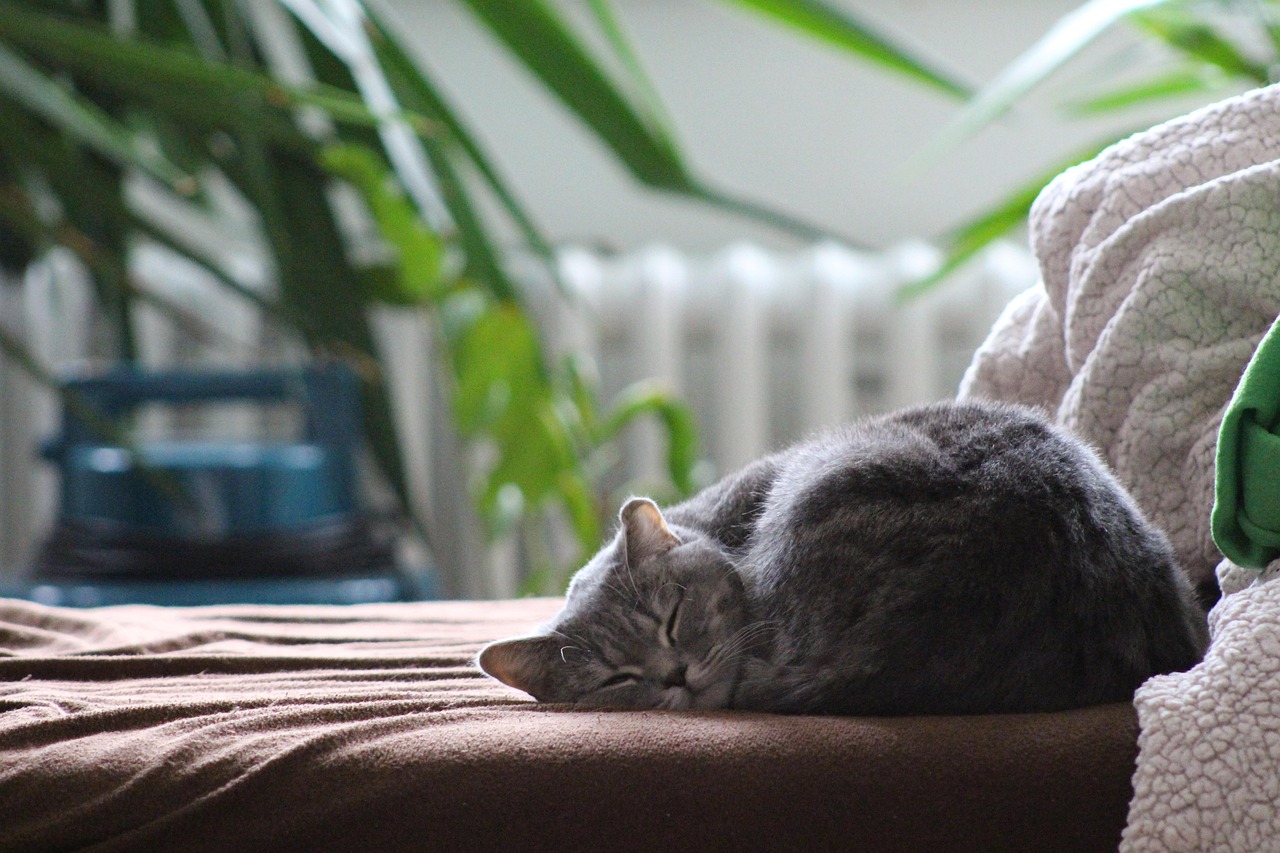
Creating a calm environment for injured cats requires attention to their needs. One effective way to achieve this is through a consistent routine. Cats are naturally creatures of habit, and having a predictable schedule helps them feel secure. This approach may reduce stress and promote healing. For example, feeding at the same time daily creates a comforting structure. Additionally, regular playtime, even in short bursts, can keep their spirits lifted. Gradual adjustments allow the cat to adapt, acting almost like a gentle rhythm in their daily life. By being aware of their usual habits and maintaining them during recovery, you reassure them. You should also remember to minimize loud noises and sudden changes in their environment. Avoiding disruptions during feeding or resting times can be critical. Using a quiet room or a familiar space where the cat feels most comfortable is helpful. Overall, implementing a steady routine lays a foundation that helps in their emotional stability amid physical recovery, creating a nurturing setting. Consistency in their daily lives ultimately fosters a sense of safety that is invaluable in helping heal an injured cat.
Another important aspect to consider when establishing a calm environment is the placement of necessities. You should ensure that food, water, and litter boxes are easily accessible but strategically placed to minimize stress. For example, keeping these areas away from high-traffic zones allows the cat to rest and eat without feeling anxious. Additionally, creating a personal space for the cat is beneficial. This could be a comfortable bed or crate, where they can retreat when they need quiet time. Incorporating soft bedding and familiar items, like toys, comforts them during recovery. You might even want to use calming pheromone diffusers or sprays in the room to promote relaxation. Cats respond positively to certain scents that mimic their natural pheromones. Consistently using these calming products enhances your efforts to create a serene atmosphere. Furthermore, avoid handling your injured cat too much unless necessary, allowing them autonomy in their recovery journey. The idea is to give them space while being available if they require assistance. This balance ensures they feel supported yet secure, providing them the ideal conditions to recuperate smoothly.
Understanding Cat Behavior During Recovery
Understanding a cat’s behavior during recovery is essential for managing its environment appropriately. Injured cats may exhibit various signs of distress or discomfort that require careful observation. They might become more withdrawn or exhibit irritability, which can be quite normal when dealing with pain. By recognizing these behaviors, you can respond appropriately, ensuring a calmer atmosphere for healing. It’s crucial to approach them gently, offering affection without overwhelming them. Create an environment where they feel comfortable expressing their needs. They may appreciate solitude at times but also seek comfort from you. Encourage a safe space where they can retreat whenever they desire. Additionally, be patient with their pace of recovery; healing is not instantaneous. Incorporate interactive toys that can engage their attention without causing strain. Rotating toys weekly maintains novelty and reduces boredom, all while being mindful of their limitations during healing. As they regain strength and confidence, reintroducing routines like playtime, can help restore a sense of normalcy. The objective is to adapt your interactions according to their current state, contributing positively to their relaxation and long-term progress.
Alongside understanding their behavior, providing appropriate medical care in conjunction with a calm environment is vital. Follow your veterinarian’s instructions regarding medications and any necessary treatments. Ensuring that you administer medications consistently at the same times each day reinforces the routine you’re creating. This will also reduce their anxiety, as they will begin to expect these activities. Furthermore, observe them for any side effects of medications they might be taking so you can report any concerns to a veterinarian promptly. Comfortable handling during these times can help as well. Use soft tones and gentle movements, helping reduce their anxiety. It may be wise to involve your veterinarian in your plan to create a calm surrounding, as they can provide tailored recommendations. They may suggest strategies specific to your cat’s situation. Involving professionals fosters a comprehensive approach to the physical and emotional aspects of recovery. A collaborative effort can enhance the overall effectiveness of your strategies. Ultimately, the combination of medical care and a nurturing calm environment paves the way for a successful recovery, where your cat can rejuvenate comfortably.
Utilizing Calming Tools for Injury Management
There are several calming tools and products you can utilize to promote a peaceful environment for your injured cat. Many pet stores offer anxiety wraps or pressure shirts designed to provide a sense of security. These can be particularly useful during times of stress or discomfort. Calming collars infused with soothing pheromones are also an option to consider. They work by releasing calming scents that may help relax your cat, especially if they are adjusting to their confined environment post-injury. Additionally, using soft lighting in the room where your cat recovers can create a more tranquil atmosphere. Bright lights may cause distress or discomfort; therefore, softer, dim lighting can help soothe them, especially during evening hours. Incorporating natural calming supplements may provide added benefits, but be sure to consult with your vet first. Whether you introduce calming music or sound therapy can also have a remarkable effect on reducing anxiety levels. The goal is to encourage an environment filled with soothing stimuli that allows them to heal without undue stress. A peaceful recovery atmosphere promotes healing, leaving you with an essential role in their recuperation.
To further enhance your cat’s environment, consider implementing gentle interactions during this time. Spend quiet moments simply sitting near them without forcing engagement. Your presence can provide comfort even if they prefer solitude at times. Allow them to initiate contact when they feel ready, whether it’s a light stroke or a nuzzle. Positive reinforcement is critical; rewarding calm behavior can encourage more of it. For example, when they engage positively, give them small treats or gentle praise. Such reinforcement further solidifies the calming atmosphere you’re trying to create while fostering trust between you. Always monitor their responses during these interactions, as not all may be beneficial. If you detect signs of discomfort or stress, give them some space until they are ready again. Creating an environment that respects their preferences and boundaries is vital during recovery. As days progress and they begin to feel better, they may seek out more interaction or play. Be prepared for a gradual shift as they regain their strength and confidence. Your patience, combined with a nurturing approach, allows the relationship to flourish while supporting their healing journey.
Reflecting on Recovery and Future Care
Reflection on your cat’s recovery process is paramount as you consider their future care. While the initial focus is on creating a calm environment, it’s equally essential to assess their long-term needs. Observe how they respond to each element of their routine and adjust accordingly. Recognize that every cat is unique, and their preferences may evolve; thus, adaptations may be necessary with time. After they have healed, reintroducing more active play and interaction should be gradual—monitoring their reactions during this phase is important. Some previously enjoyed activities may need modification to remain comfortable and safe for them. Maintaining regular veterinary check-ups post-recovery is also vital to ensure ongoing health. Vets can help provide further insights into their behavior and offer additional strategies to support their emotional well-being. You may also consider socialization aspects if your cat interacts well with others, promoting stability. Consisting of a routine and structure contributes to lasting emotional health. Years ahead, developing these habits promotes a loving bond, ensuring their long-term happiness. Committed care and attention are key in building a fulfilling life for your feline friend.
In summary, creating a calm environment for injured cats is vital for emotional stability and recovery. Developing a consistent routine not only eases stress but also fosters a comforting atmosphere. By incorporating thoughtful interactions and utilizing calming tools, you can significantly enhance their environment. Importantly, understanding your cat’s behavior and adapting to their needs helps cultivate a secure setting. Moreover, reflecting on their recovery and future requirements ensures comprehensive care. Remember, every action contributes to their restoration, leading to a happier cat after injury. Prioritizing their well-being underscores the essence of compassion in pet ownership and fosters an enduring bond. Your dedication throughout this journey is invaluable, as it supports not only their physical healing but enhances their emotional resilience. Thus, your patience and love resonate throughout their recovery, enabling them to emerge stronger and secure. Embrace this time, as it’s pivotal for shaping your cat’s long-term happiness and health. Through commitment and understanding, you help pave the way for peaceful healing and a joyful life ahead. Chair in this journey, as your role is significant, directly impacting their recovery path and future interactions.