
How to Manage Hairballs in Long-Haired Cat Breeds
Long-haired cats are stunning creatures, but they come with specific challenges, particularly hairballs. Hairballs occur when cats groom themselves, swallowing loose fur. This is a common occurrence in long-haired breeds like Persians and Maine Coons. Understanding how to prevent hairballs is essential for their health and comfort. A few strategies can minimize hairball formation. First, regularly groom your cat to remove loose hair. Daily brushing is recommended, as it helps capture fur before your pet ingests it. Second, consider diet; special hairball-reducing cat food is available. These foods are formulated to help hair pass through your cat’s digestive system more effectively. Additionally, keep your cat hydrated, encouraging water intake can soften fur clumps. Regular vet check-ups are also crucial to monitor any digestive issues related to hairballs. Observing your cat’s grooming habits and overall health can provide insight into the frequency and severity of hairballs. Solutions might require trial and error, but early intervention is key to ensuring your long-haired feline remains comfortable and healthy. Educating yourself on responsible cat ownership also contributes positively to your cat’s well-being.
Another measure to help manage hairballs in your long-haired cat involves maintaining a clean environment. Regularly vacuum and clean areas where your cat spends its time. Cat hair accumulates quickly, especially from long-haired breeds, and reducing their exposure to loose hair can decrease ingestion. It’s beneficial to establish a grooming routine that both you and your cat are comfortable with. Use specialized grooming tools designed for removing loose fur without discomfort. Introduce new tools gradually so your cat becomes accustomed to them. Sometimes, dietary supplements can also help. Omega fatty acids, for instance, may improve skin and coat condition while reducing shedding, ultimately leading to fewer hairballs. Consult your vet about suitable supplements to incorporate into your cat’s diet. Further, engage your cat in regular exercise to help maintain a healthy weight. Active cats are less likely to over-groom, thus potentially reducing hairball formation. Providing stimulating toys can keep your cat entertained. They can channel their energy into play rather than excessive grooming. Understanding your cat’s needs ensures that you provide a supportive environment for health maintenance while minimizing annoying hairballs.
Signs of Hairball Issues
Recognizing signs of hairball problems in your long-haired cat is crucial for timely intervention. Common symptoms include frequent retching or vomiting, especially after eating or grooming. If your cat is gagging without producing a hairball, this can indicate an underlying issue needing veterinary attention. Additionally, watch for changes in appetite or litter box habits; these changes can signal discomfort or digestive distress from hairballs. Hairballs can lead to intestinal blockages, which can be life-threatening. Monitor your cat for lethargy or decreased activity; these signs may suggest your cat is unwell. Cats that suffer frequent hairballs may also begin to avoid grooming, which is contrary to their natural instincts and could indicate a problem. If hairballs seem excessive or if you notice several symptoms occurring together, consult your veterinarian without delay. Early intervention can help address any health problems before they escalate, ensuring that your cat remains happy and healthy. Remember that managing hairballs is not just about preventing an inconvenience; it is about safeguarding your cat’s overall well-being.
Maintaining an optimal indoor climate for your long-haired cat also supports hairball management. Dry air can lead to increased shedding, which subsequently results in hairballs. To combat dryness, consider using humidifiers, especially during winter months when indoor air tends to dry out. A moist environment improves skin condition and reduces shedding. Another effective strategy is to monitor your cat’s stress levels. Cats are sensitive to changes in their surroundings, and stress can lead to excessive grooming. Providing a secure space for your cat, filled with comfortable resting spots and safe hiding areas, allows them to feel secure. Ensure that your environment is calm and quiet, as reducing noise can minimize anxiety. If you have multiple cats, it’s essential to monitor their interactions to reduce conflicts. In this situation, creating separate time for each cat unearthed better outcomes. Engaging your long-haired cat in interactive playtime not only helps manage stress but also serves as a great bonding exercise. All these factors contribute towards a supportive and safe environment, which in turn helps reduce the occurrence of hairballs.
Understanding Grooming Techniques
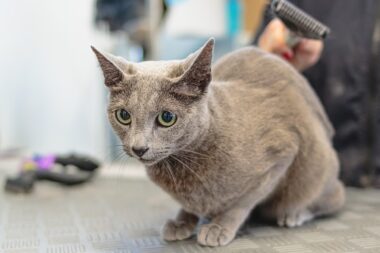
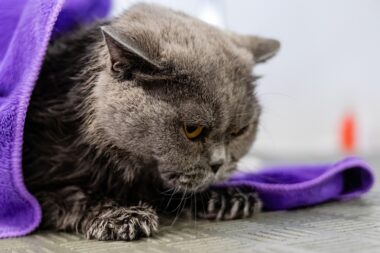
Understanding effective grooming techniques is vital for managing hairballs in your long-haired cat. Start by selecting the right grooming tools; various brushes cater to different fur types. A slicker brush is excellent for removing tangles and loose fur, while a wide-toothed comb is helpful for detangling. Regular grooming sessions can create a positive bonding experience, making it enjoyable for both you and your feline friend. During grooming, pay special attention to areas prone to matting, such as behind the ears and under the collar. Break up any tangles gently to avoid hurting your cat. The amount of grooming needed varies with different breeds, so tailor your approach based on your cat’s specific needs. Establish a routine—daily grooming is ideal for long-haired cats, while at least a few times a week is acceptable for some others. Consider making your grooming session part of playtime to keep your cat’s mood light. Finally, provide treats after grooming sessions to create positive reinforcement; this helps build trust and makes future grooming easier. By committing to a regular grooming schedule, you maintain your cat’s coat and minimize hairball creation.
Engaging your cat in preventative care practices contributes significantly to hairball management. Regular veterinary check-ups play a crucial role in preventing health issues associated with excessive hairball formation. Your veterinarian can diagnose any underlying conditions and suggest appropriate dietary changes or grooming practices. Talk about your cat’s specific grooming habits or regimens during your office visit. Moreover, creating a stress-free environment, as previously mentioned, can also improve your cat’s overall health, leading to fewer hairballs. Moreover, consider implementing a consistent feeding schedule; rigid routines can help minimize gastrointestinal upset, contributing to better digestion. Cats thrive on predictability, both with regard to meals and playtimes. Supplements or treats designed to aid with hairballs may be a simple addition to your routine that could yield beneficial results. Monitor the effectiveness of any changes made and adjust as necessary. This dynamic approach ensures that you are actively managing your long-haired cat’s health. Empathy towards your pet’s feelings during grooming is crucial. By understanding your cat’s body language, you can provide a better experience and maintain their comfort, lowering hairball anxiety significantly.
Final Thoughts
In conclusion, managing hairballs in long-haired cats requires a multifaceted approach that balances diet, grooming, and overall well-being. Consistent grooming practices, coupled with a tailored diet, significantly reduces hairball formation. Monitoring your cat’s health helps catch potential problems early, preventing discomfort. Regular vet visits are paramount in maintaining your cat’s overall health strategy. Engaging in proactive observation and establishing routines helps foster not just a healthier cat but also a more rewarding experience for you. Creating a peaceful environment and engaging them in play fosters bonding and reduces grooming anxiety. Always remember the importance of hydration; it assists in the digestion of hair and contributes to overall health. Additionally, keep the indoor environment in mind; humidity plays a big role in coat quality. Be aware that every cat is different, thus some methods may work better than others. A patient and loving attitude toward your long-haired cat ensures successful hairball management. Highlighting wellness in these lovable furry companions is paramount. Hence, through proactive measures, you can enjoy a happy cat without the frequent interruptions of hairballs disturbing your home.
Ultimately, ensuring a long-haired cat thrives sans hairball troubles is a responsible undertaking. With commitment and awareness, both you and your feline friend can enjoy a harmonious life. The stunning fur your long-haired cat boasts deserves care that matches its beauty. Adapting grooming and care practices not just improves your pet’s comfort but enhances its quality of life. After incorporating these strategies, expect to witness a happier, healthier cat thriving in your home. Building a strong relationship through grooming and play strengthens your bond. Remember that flexibility is key; what works today might need adjusting tomorrow based on your cat’s evolving needs. So always keep an open mind and consult with professionals as necessary to adapt your strategies effectively. By following these insightful tips, you’ll be equipping yourself with the knowledge to maintain your long-haired cat’s health beautifully. Maintaining health and comfort can reduce issues associated with hairballs significantly. In turn, a well-adjusted feline will nurture an enjoyable companionship. Your journey into long-haired cat parenting should be filled with joy, love, and minimal hairball distractions, leading to a satisfying experience for both.