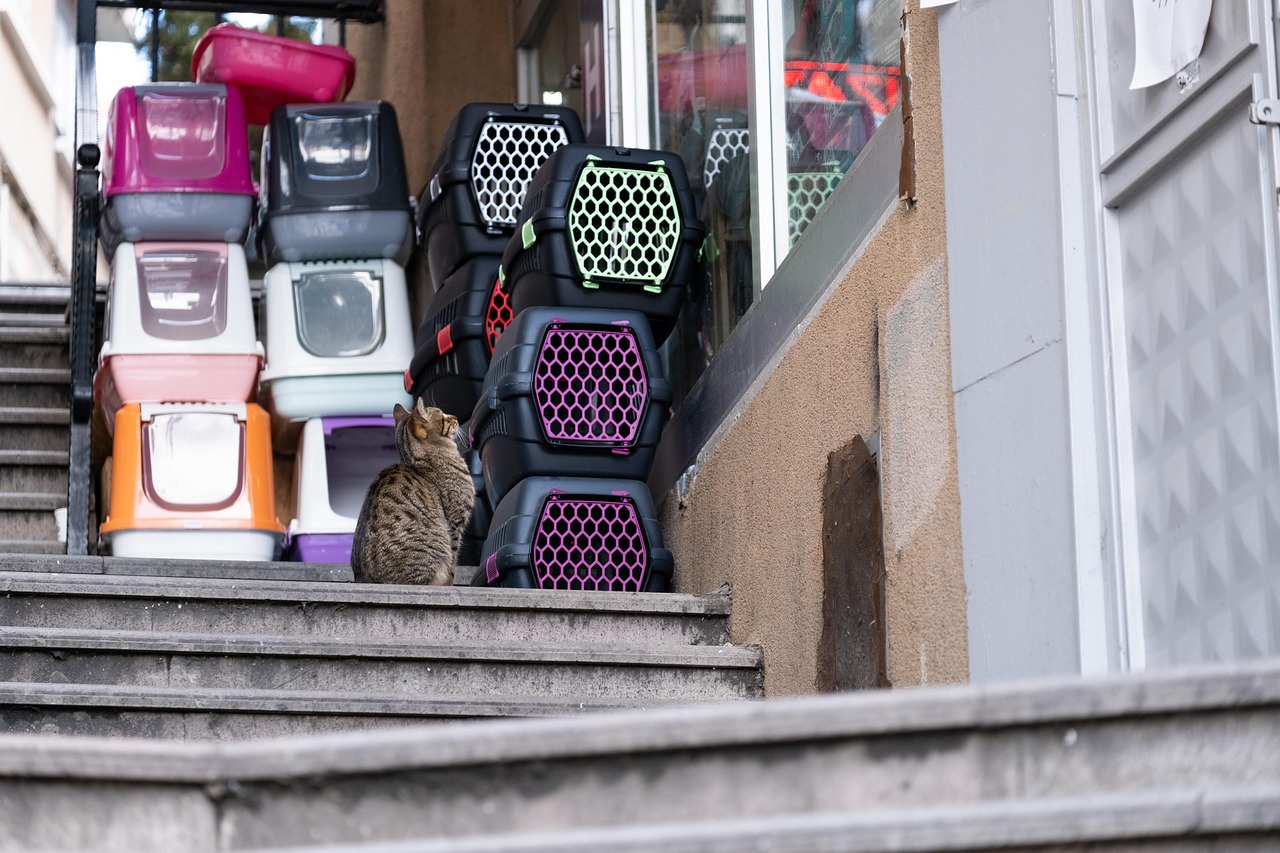

Mistakes to Avoid When Training Cats on Portable Litter Boxes
Training your cat to use a portable litter box effectively involves a few critical steps and common mistakes to avoid. One significant mistake many cat owners make is rushing the introduction of the litter box. Introducing the portable litter box too soon can cause confusion for your cat. Cats are creatures of habit, so it’s essential to allow them to explore the box at their own pace without pressure. Proper positioning of the litter box is also vital. If the area isn’t quiet and private, your cat might refuse to use it. Ensure that the portable litter box is placed in a location where your cat feels safe and comfortable. Additionally, it’s crucial to choose the right type of litter. Some cats have specific preferences for the texture or scent of litter, which can impact their willingness to use the box. Therefore, a gradual transition may be necessary if switching from standard litter. Be patient, as it might take time for your cat to adapt to the portable litter box using positive reinforcement methods.
Another common mistake during training is neglecting the importance of cleanliness. It’s essential to keep the portable litter box clean to promote consistent usage by your cat. Cats are instinctively drawn to clean environments, so an unkempt box might lead them to avoid it altogether. Regular cleaning is imperative; aim to scoop the litter daily and deep clean the box weekly. Alongside cleanliness,changing the litter type abruptly can also cause issues. Cats dislike sudden changes, so it may be more effective to change litter gradually. When introducing new litter, consider mixing it with the old litter for a few days. This approach will help your cat get accustomed to the new materials without causing distress. Moreover, many cat owners fail to observe their pet’s behavior during the training process. Watching closely can provide insight into what your cat enjoys or dislikes. If they exhibit signs of stress or fear, you may need to reassess your approach. Understanding your cat’s body language can make a significant difference in training outcomes.
Ignore Your Cat’s Preferences
One major issue owners face is disregarding their cat’s preferences. Cats tend to be particular about their litter box setup, and not paying attention to these preferences can hinder the training process. If your cat prefers a specific size or style of the litter box, it’s crucial to accommodate these preferences for successful integration. Additionally, considering the litter’s texture can significantly affect your cat’s likelihood of using the box. Cats may prefer fine-grained litter over coarser materials, so experimenting may help you find the optimal choice. Furthermore, it’s vital to avoid punishing your cat for accidents outside the box. This can lead to anxiety and fear, further complicating their relationship with the litter box. Instead, focus on using positive reinforcement when your cat uses the portable litter box correctly. Treats and verbal praise can encourage your pet and build a positive association with the box. Remember, the ultimate goal is to create a stress-free environment that encourages your cat to use the litter box consistently.
A frequent misstep is not being consistent during the training phase. Consistency in your approach can significantly improve your training outcomes. If you only occasionally encourage your cat to use the portable litter box, it may confuse them. Reinforce the training every time you see them hesitate or show interest in the box. Establishing a routine can help solidify your cat’s understanding of when and how to use the box. Reinforcement should be positive, using treats and praise as effective tools. Additionally, some owners make the error of using too many different commands during training. It’s important to use a consistent phrase or sound that becomes synonymous with using the litter box. This helps your cat identify what behavior is expected of them. Furthermore, avoid over-correcting minor lapses in behavior. Mistakes will happen during the training period, and understanding that it takes time can prevent frustration for both you and your cat. By remaining positive and patient, you’ll help your cat adjust more easily to their new portable litter box.
Ignoring Medical Issues
Another significant mistake is overlooking potential medical issues that could affect your cat’s litter box habits. Health problems can manifest through changes in litter box behavior, and recognizing this can be critical. If your cat suddenly refuses to use the litter box or shows signs of discomfort, it may indicate a medical issue that requires attention. Common problems include urinary tract infections and constipation, which can cause painful urination and avoidance of the litter box. When issues arise, it’s essential to consult your veterinarian to rule out any health concerns promptly. Taking a proactive approach can lead to solutions that benefit both you and your cat. Ensuring your cat is healthy allows you to focus purely on behavioral training strategies without added complications. Moreover, do not overlook the importance of proper hydration and diet. Sometimes, dietary changes can result in more frequent litter box use or issues with consistency. Provide ample fresh water and consult your vet about the best dietary choices for your cat’s health. Maintaining your cat’s well-being contributes to successful litter box training outcomes.
A frequent oversight among cat owners is not utilizing encouraging techniques during training. Motivating your cat with treats can greatly enhance the learning process. When your cat successfully uses the portable litter box, offer them a small treat immediately afterward. This reinforces that using the litter box results in positive outcomes. Using interactive toys and verbal praises can also encourage your cat’s interest in the litter box. Sometimes, introducing their litter box within the play environment can help break the ice and reduce fear. Similarly, being mindful of the litter box’s location is crucial. A poorly positioned box may deter usage. The box should be placed in a quiet, low-traffic area that gives your cat privacy and comfort. If your cat is hesitant to explore, you might want to leave the box uncovered at first, gradually introducing the cover later once they are accustomed to the overall environment. Additionally, make sure the size of the portable litter box is appropriate for your cat. A box that is too small can create discomfort and anxiety, possibly leading to refusal.
Conclusion
In conclusion, being aware of common mistakes while training your cat to use portable litter boxes can lead to a smoother experience for both pet and owner. Remember that every cat is different, and understanding their unique preferences and behaviors is key. Rushing, neglecting cleanliness, and ignoring health issues can impede positive training. Ensure you take the time to choose the right setting, litter type, and cleaning routine. Incorporate patience and consistency through every step of the training process to set your cat up for success. Use positive reinforcement to encourage the desired behavior, and avoid punishments for mistakes. This will create a reassuring environment that fosters trust and understanding. By addressing these common pitfalls, you can significantly improve the effectiveness of your cat’s litter box training strategy. Ultimately, a happy and healthy cat will lead to a more enjoyable bond with your furry companion. Best of luck in your training endeavors!