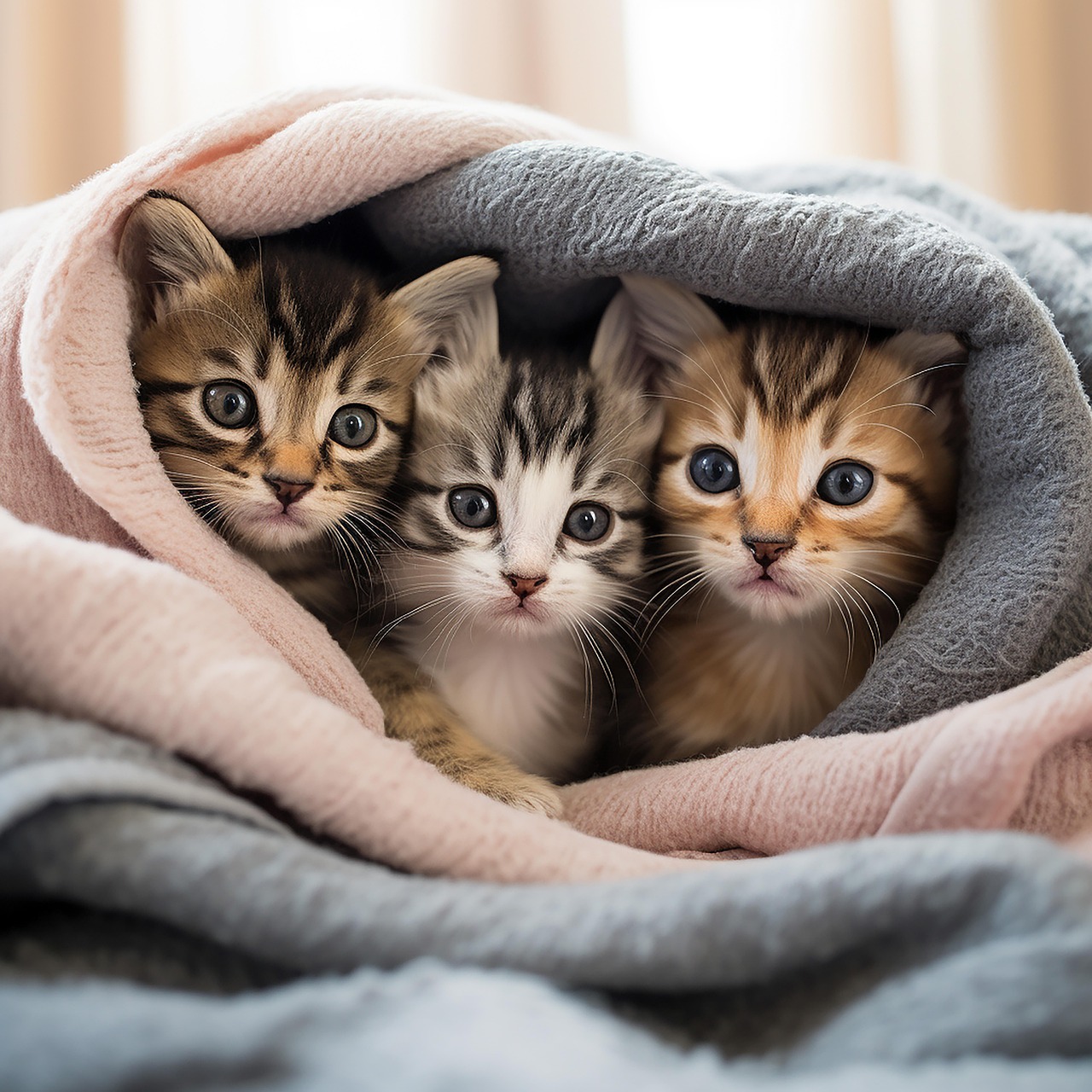

Recognizing Signs of Overstimulation in Group Cat Exercise
When engaging in group cat exercise, it’s essential to monitor your feline friends closely. Cats can exhibit various signs that indicate they are overstimulated. Understanding these behaviors can help keep your cats safe and happy during playtime. Some signs of overstimulation include excessive meowing, twitching tails, and sudden aggressive behavior. Observing your cat’s body language is crucial to interpreting their emotional state and adjusting accordingly. Offering a calming environment helps reduce stress levels. In group play sessions, ensure that cats have plenty of space to explore individually when they need a break. Be observant of changes in their social dynamics, as stress can increase competition for resources like toys and resting spots. If you notice your cat becoming overly irritated, remove them from the situation temporarily. Always introduce new toys or companions gradually to avoid overwhelming your feline companions. Remember that each cat has its own personality and tolerance levels, and being mindful can greatly enrich their playtime experience. Engaging in interactive play gives the opportunity for cats to socialize comfortably while enjoying physical exercise. This makes for a healthier and less stressful environment for your beloved pets.
Communication is essential to understand your cat’s feelings. Noticing subtle changes can help prevent overstimulation. If playtime turns aggressive, it might be time to intervene gently. Some cats may show signs such as flattening their ears, dilated pupils, or growling. Always be prepared to end play sessions if things become too intense, shifting focus back to calm activities. You can provide safe spaces where they can retreat. Create cozy corners with blankets and toys where cats can relax away from the hustle. Your own understanding of feline behavior is a critical foundation for a harmonious environment. When transitioning to group play, facilitate introductions and observe interactions closely. Some cats might take longer to acclimate, showing signs of stress through avoidance behaviors. Awareness of these subtle cues can prevent future confrontations and ensure the well-being of all felines involved. Additionally, frequent breaks during play sessions allow cats to recharge and prevent overstimulation. Always monitor how long each session lasts and the energy levels exhibited. Cats thrive on routine, so maintaining a consistent schedule of playtimes can help them adjust. Their natural instincts guide them better when they feel secure and understood in their environment.
Understanding Individual Limits
Each cat has unique boundaries when it comes to social interactions and exercise. Observing how your cat reacts during group play can provide vital information on their limits. Overstimulation can lead to withdrawal, agitation, or even aggression, potentially harming both themselves and other cats. It’s essential to pay attention to triggers that may cause stress, such as loud noises or the presence of unfamiliar cats. Implement gradual introductions to help every participant adapt better. Know that taking note of each feline’s playful behavior can offer insight into their comfort levels. Identify moments where cats struggle, and be ready to intervene when tensions rise. By creating a balanced atmosphere during group activities, your cats can enjoy exercise without overwhelming stress. Regularly rotate toys and change up playtime locations. This strategy keeps the environment interesting, promoting positive interactions. Encourage feline friendships based on mutual respect and comfortability. If you notice certain cats frequently stressing others, separate them during exercises. Remember, it’s okay to prioritize your cats’ well-being over playtime interchange. A harmonious and engaging feline community can only thrive when every participant feels safe and respected from the onset of joint activities.
The role of human supervision cannot be underestimated during group cat exercises. As their caretaker, it’s your job to observe dynamics actively and intervene when needed. Continuous observation helps develop a keen sense for when a cat is feeling uncomfortable or overstimulated. This vigilance allows you to recognize specific warning signs such as tail flicking or avoidance behaviors. Providing a positive environment can further ease tensions among cats. When establishing playgroups, consider the individual personalities of each cat; some thrive in larger settings, while others prefer smaller gatherings. For cats showing signs of anxiety, always have alternative activities set out. Encourage them to explore safe zones or engage with toys independently. Early identification of stress signals can guide your actions effectively. If a cat becomes overly agitated, separating them temporarily can do wonders. Redirect attention to another playful activity to minimize any distress caused by group dynamics. Cats are inherently territorial; thus, understanding their instincts is key to promoting cooperation. Respect each cat’s space and comfort during interactions, which fosters a positive atmosphere while engaging in lively exercise, contributing to overall well-being in your feline companions.
Creating a Positive Environment
Creating a nurturing play environment can mitigate overstimulation risks significantly. Start by choosing appropriate toys suitable for multiple cats. Why not incorporate natural scratching posts or interactive toys? These types can engage and stimulate without overwhelming your pets. Set clear boundaries for playtime behavior and gently correct any excessive aggression or rough behavior. Cats typically thrive in non-competitive, relaxed settings that encourage cordial interactions. Placing multiple resources, like grooming tools and treats, in various spots discourages competition. Subtly adjusting the environment helps foster a harmonious group dynamic. Use calming music or scents to create a serene atmosphere, promoting relaxation before and after play. Introduce features like climbing shelves where cats can escape to higher vantage points if they need space. Maintain a consistent exercise schedule, enabling your cats to develop an understanding of when to expect playtime. This predictability offers comfort and security, allowing them to enjoy their time together. Collaborative play can also encourage teamwork, helping all cats bond. Ensure that everyone is in good spirits before initiating group sessions, further fostering positive experiences. By refining your approach, you can ensure a balanced and enjoyable atmosphere during group cat playtimes, minimizing overstimulation risks.
Monitoring play dynamics is another critical factor in preventing overstimulation during group exercise. Understanding how different cats interact can illuminate potential problems before they escalate. Observe which cats seem to thrive in the presence of others and those that prefer solitude. By noting these behaviors, you can arrange pairings that suit everyone involved. As group exercises unfold, remain vigilant regarding shifting dynamics; individuals often signal discomfort through subtle cues. Body postures and movements are essential indicators of how engaged or stressed a cat may feel. If one cat consistently dominates play, gently redirect the attention of others. Allowing individual playtime helps ensure that no cat feels pressured or left out. Maintaining the right mix of personalities is vital to creating an atmosphere conducive to both group exercise and socialization. Additionally, limit the number of cats in a group if necessary to facilitate smoother interactions. A restrained approach mitigates the risk of overstimulation. Balance is key; when crafting play sessions, ensure all cats experience healthy interactions that foster friendships and social connections. This awareness can significantly enhance the joy of group play sessions, allowing for a healthy and more joyful cat community.
Conclusion: Importance of Awareness
In conclusion, recognizing and responding to signs of overstimulation in group cat exercise is essential for every cat’s well-being. By being observant and informed about feline behavior, you create a safe environment for your pets to thrive. Engaging in social play helps enhance their physical fitness and emotional health, contributing to overall happiness. Always be attentive to behaviors signifying distress, such as hiding, growling, or excessive playfulness. Allow each cat to dictate their level of involvement in group activities; your responsibility is to facilitate a healthy and enjoyable experience. Remain consistent in your approach, adapting to the needs of individual cats while promoting social interaction. Incorporating breaks and allowing spaces for retreat assists in keeping tensions low. Remember, every cat deserves an opportunity to express their personality without fear of overstimulation or strain. Prioritizing their emotional comfort during playtime significantly boosts their quality of life. Use this awareness as a foundation to build a loving, supportive community for your feline companions. By approaching group play thoughtfully, you enrich your cats’ lives while ensuring a joyful journey for each player involved in their exercise activities.
Developing a keen sense for recognizing these signals of overstimulation can truly enhance your cats’ recreational experiences together. Given proper consideration, group play can serve as an enjoyable, enriching activity for all involved, leading to stronger social bonds and happier pets. Monitor the interactions closely, respect individual needs, and maintain a flexible attitude about organizing play sessions. With patience and empathy, your cats will be more equipped to enjoy vibrant lives filled with safe yet impactful social engagements.