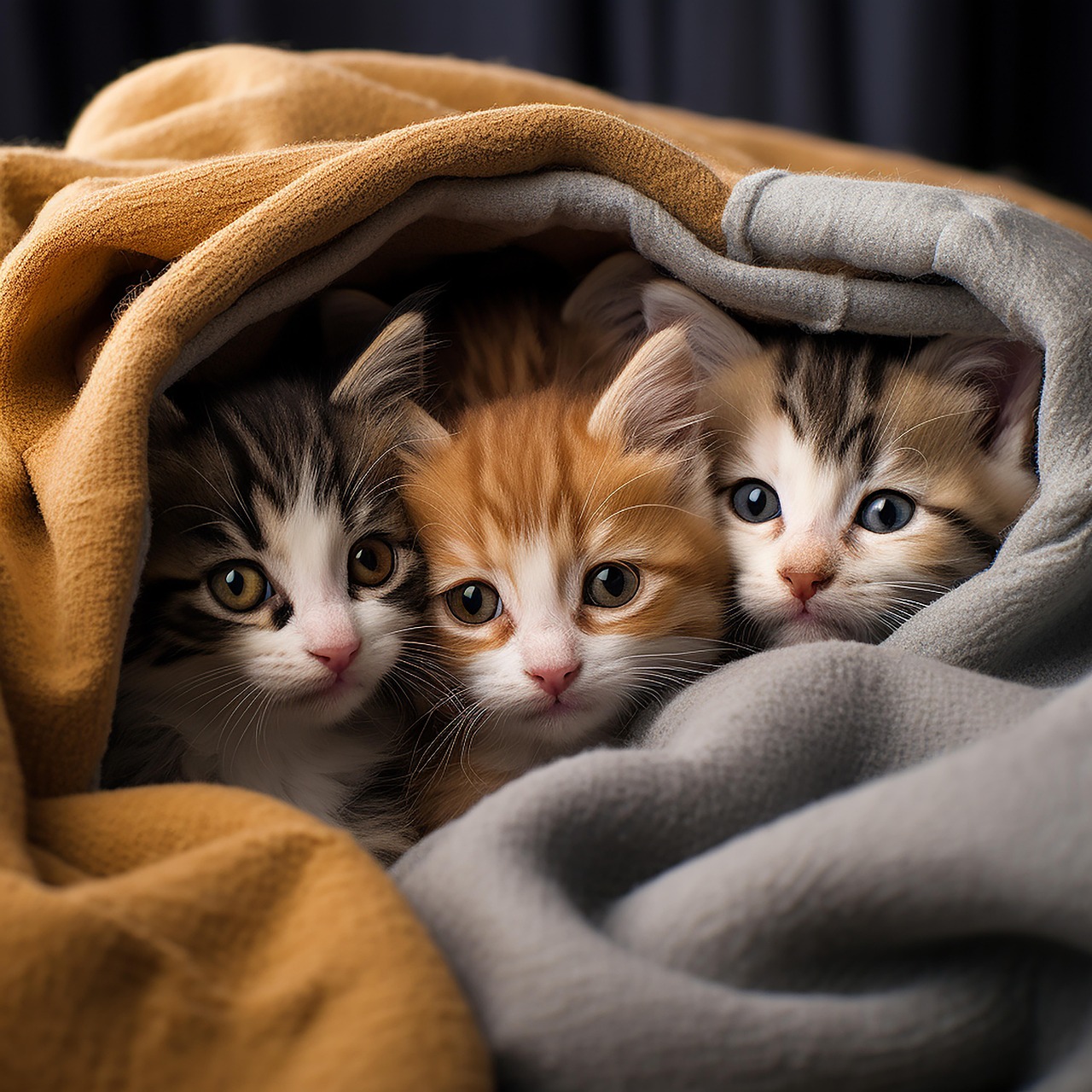

Scent and Play: How Cats Use Smell in Social Play
Cats are fascinating creatures, and their social behavior is heavily influenced by their sense of smell. Scent plays a crucial role in how cats communicate and perceive each other. They have a sophisticated olfactory system that allows them to recognize other cats, potential mates, and even their environment. This heightened sense of smell greatly impacts social interactions, as cats rely on scent to gather information about their peers. When two or more cats engage in play, they exchange smells, which can denote friendliness and identify individual characteristics. The act of sniffing one another is not just a greeting; it is essential for establishing social bonds. Additionally, cats employ pheromones, which are chemical signals released into the environment. These pheromones convey vital information regarding identity, territory, and emotional state. When cats play and interact, they accumulate scents, making their bond stronger. The significance of these scents can hardly be understated, as it shapes the dynamics of their relationship, influencing behavior, play styles, and levels of trust.
The Importance of Territory Marking
A vital aspect of cat socialization revolves around the concept of territory. Cats have exceptional territorial instincts, and their use of scent marks their space. By depositing scents through various glands located on their face, paws, and tail, they claim ownership of the area they inhabit. This scent-marking behavior is prevalent among social cats who establish their networks within a community. When they play, cats often engage in territorial exchanges by smelling objects or each other, reinforcing their identities. This scent exchange is paramount when establishing relationships, as it helps mitigate conflicts that may arise over boundaries. If a new cat enters a familiar area, a resident cat may demonstrate aggressive behaviors if it perceives a threat. However, through scent marking and ensuring pheromonal exchanges happen during play, the newcomer can gain acceptance. Scent, therefore, plays a pivotal role in determining how these social structures function. This behavior indicates that while playfulness is essential for bonding, it demonstrates efforts to maintain a harmonious environment through the regulation of scents.
Within social play, cats engage in a variety of behaviors that are influenced by their olfactory senses. When cats chase or wrestle, they are often simultaneously sniffing each other as they engage in playful antics. The scents released by their bodies can accelerate excitement and drive their interactions. For instance, a cat’s tail may have a combination of pheromones that indicate readiness for play or submission. Consequently, their understanding of signals derived from smells helps in assessing the degree of comfort and readiness in playmates. This intricate interplay of scent and behavior not only enhances the fun of their interactions but also fosters emotional well-being. When cats sniff each other during play, they communicate unspoken intentions and negotiate power dynamics. While the play may seem carefree, deeper social learning occurs when they respond to various scents that suggest the other’s mood—happiness, aggression, or even fear. Ultimately, through smells, cats can engage in a delicate dance of social understanding amid their playful pursuits, creating a foundation for enduring relationships.
Pheromones and Social Play
Pheromones are a key element in how cats socialize and play together. Their remarkable ability to detect these chemical signals informs them about one another’s moods and territorial claims. Cats have specialized vomeronasal organs that analyze pheromones efficiently, letting them interpret emotional cues from their playmates. During social play, pheromones released during licking, rubbing, or grooming signal comfort and safety among friends. These scents serve as reassurance, fostering trust and promoting more playful interactions. Moreover, pheromones can evoke a sense of curiosity, prompting cats to engage in friendly play rather than aggressive confrontation. Increased pheromone transmission during play encourages healthy social behavior where players assess each other’s boundaries with mutual consideration. Additionally, pheromones contribute to the regulation of anxiety, especially in multi-cat households. If one cat feels uneasy, the pheromones produced by others during play can help mitigate stress, allowing an easier transition into social acceptance. Understanding how pheromones work can significantly enhance the quality of social play experiences among cats, blending the strength of emotional intelligence with joyful interactions.
Moreover, the role of environmental scents cannot be overlooked in a cat’s socialization process. The various smells found in their surroundings, including those left by other animals or substances in their homes, contribute to how cats engage in social play. Familiar smells can create a sense of security and comfort, allowing cats to explore their surroundings more freely. When two cats play, their reactions to distinct scents can lead to excitement or hesitance, inferring a range of emotions from both parties. For example, a new, unfamiliar scent might trigger alertness or anxiety, hindering socialization efforts. Alternatively, familiar scents can evoke memories of previous encounters, fostering an environment for positive interactions. Cats may also display heightened curiosity towards new smells, drawing them near to explore. This exploratory behavior indicates that integrating scent in their play environment is crucial for effective socialization. It lays the groundwork for positive experiences and helps form lasting relationships which are essential for cat happiness and mental stimulation.
Building Bonds Through Shared Scent Experiences
As cats continue to engage in social play, they develop strong bonds influenced by shared scent experiences. When two or more cats play together regularly, they encounter a mingling of scents that augment feelings of familiarity. These associations are pivotal, as they enable cats to recognize one another, fostering a strong sense of community. By routinely exchanging scents, playful interactions become significant learning moments. This bond is grounded in recognition and trust as they continually rely on each other’s smells to navigate social situations. Moreover, the scents produced during playful activities build a history between the cats, reinforcing their social structure. Such experiences can offer emotional security, where cats learn to understand cues that dictate playful behavior. Over time, these shared olfactory moments solidify relationships that may last throughout their lives. Hence, incorporating shared experiences rooted in scent into a cat’s social play is a vital step toward creating a nurturing environment. As they learn to bond over scents found in playful exchanges, their interactions become more vibrant, enriching both their social and emotional lives.
In conclusion, scent plays an integral role in how cats socialize and engage in playful behavior. This fascinating aspect of feline interaction showcases the significance of olfactory communication in establishing connections among cats. Through scent, they navigate their social landscapes, confirming territories and relationships as they participate in each other’s lives. The complexity of cat play is enriched by their ability to interpret scents, which provides an avenue for emotional expression and social bonding. As learning and exploration occur, scents foster a deep understanding of each other, allowing cats to engage meaningfully. Furthermore, the intertwining of pheromones and environmental scents enhances these interactions, revealing a world of nuances that shape their social play. Pet owners can enhance their cats’ social experiences by understanding and promoting their need for scent-driven communication. By creating environments that encourage exploration and social play, owners support their cats in building friendships and developing confidence. Ultimately, the nuances of scent in social play contribute significantly to the behavioral health and well-being of cats, embodying the commonplace yet complex nature of their relationships.
In addition, recognizing the role of scent in social play is crucial for cat owners wanting to promote harmony and happiness. Creating spaces where cats can freely exchange and explore scents will lead to joyful experiences and strong bonds. For instance, providing various toys and scratching posts can help amplify their scent-marking endeavors. Items that previously belonged to other cats or smells associated with nature can pique curiosity and encourage interaction. Environments rich in diverse scents may also help reduce territorial disputes, as each cat can reclaim olfactory dominance. Moreover, making sure to maintain clean living environments helps keep the scents distinguishable, allowing positive recognition among feline friends. More importantly, understanding how cats utilize scents can guide caretaking decisions, such as introducing new scents gently and progressively. By acknowledging these dynamics, owners can support their cats’ socialization journeys, yielding enrichments in behavioral health. Furthermore, appreciation of scent as a vital tool for social cues will empower responsible pet ownership, resulting in a well-adjusted cat that experiences thriving social interactions with peers.