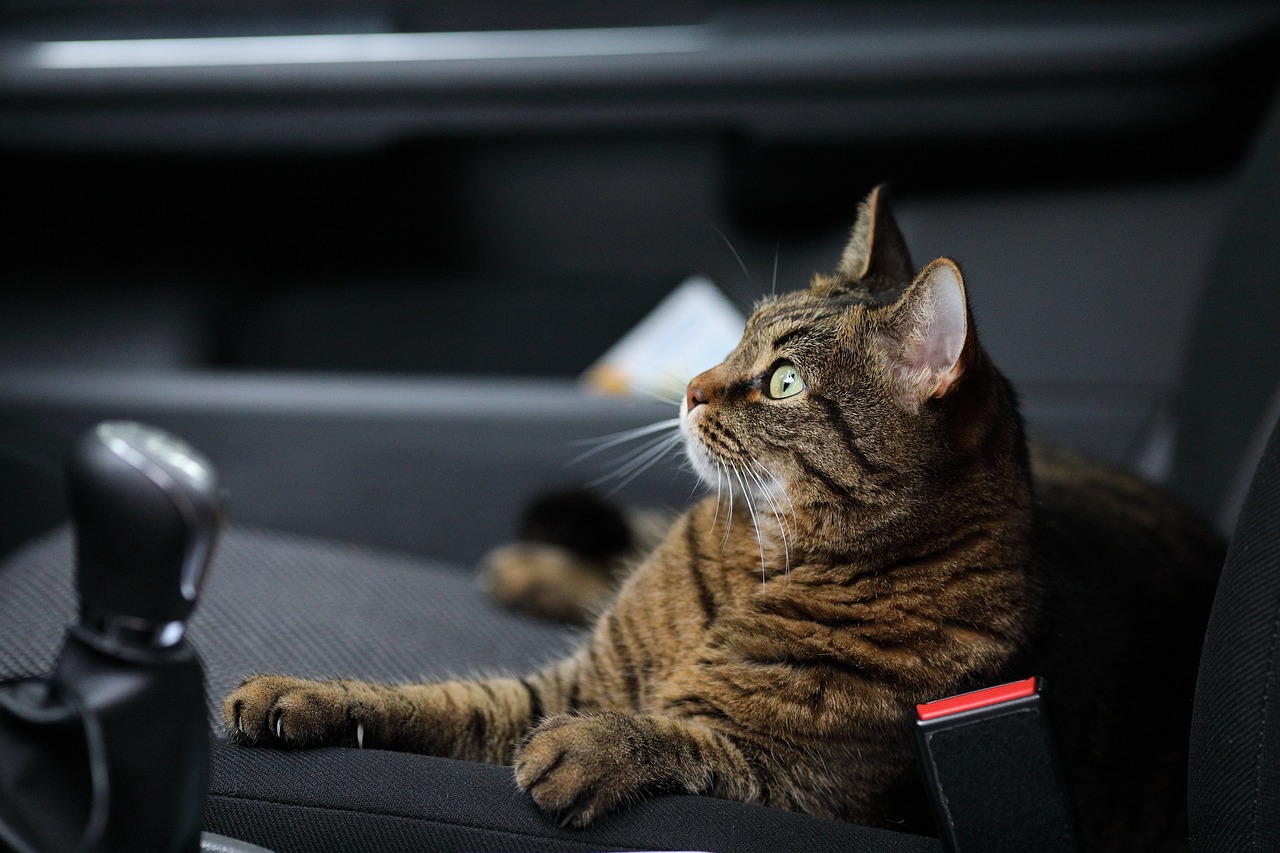

The Impact of Car Travel on Cats and How to Mitigate It
Traveling with your cat in a car can be a daunting experience, both for the cat and the owner. Cats, being natural creatures of habit, prefer stability and may become anxious during car rides. It’s crucial to understand how car travel affects cats, as it can lead to stress and health issues. Various factors, including the duration of the trip and the method of transportation, play significant roles in their comfort level during travel. Moreover, sudden noises from the road can also cause concern. Many pet owners find that their felines are most comfortable when secured properly within a travel carrier. Additionally, familiar objects, such as a favorite blanket or toy, can create a sense of security. Providing regular breaks during long journeys is also beneficial, as it allows cats to stretch, use the litter box, and hydrate. Preparation is key in ensuring a stress-free travel experience for your feline friend. Reducing anxiety through these means can create a more enjoyable atmosphere for both the cat and the owner.
Understanding Cat Anxiety During Travel
Understanding the causes of cat anxiety during travel is essential to develop effective strategies. Cats may feel threatened by new environments, strange noises, and unfamiliar smells while traveling. Unlike dogs, cats do not generally enjoy changes in routine, making car rides particularly stressful for them. Symptoms of anxiety can manifest in various ways: excessive vocalization, panting, hiding, or even nausea. Adequate planning can help minimize their stress levels. One approach is to acclimate your cat to the travel carrier before the trip. Allowing your cat to explore the carrier at home, with the door open, can create positive associations with the space. Additionally, short test drives can help your cat adapt to the sensation of being in a moving vehicle. In some cases, consulting with a veterinarian for calming products or medications may be advisable if your cat’s anxiety is severe. While traveling can be complicated, being aware of these factors can significantly improve your cat’s experience during car journeys, making trips less traumatic for both of you.
Preparing for Safe Travel with Your Cat
Preparation is fundamental for ensuring a successful car trip with your cat. Start by securing the right travel carrier, one that is sturdy, well-ventilated, and appropriate for your cat’s size. A familiar, cozy cushion placed inside the carrier can provide comfort. It’s also essential to make sure the carrier is easy to handle and fits securely in your vehicle. Before you set out, verify that your pet is up to date on vaccinations and has proper identification, including a collar with tags or a microchip. Bring along necessary supplies such as food, water, a portable bowl, and a litter box. Consider keeping a favorite toy or blanket handy, as it can offer comfort during the journey. Planning pit stops is also vital; making regular breaks allows your cat to relieve themselves and prevents overstimulation. Create a travel kit to keep all of these supplies organized. These simple preparations can drastically lower travel anxiety, ensuring a smoother journey for your furry companion and providing peace of mind for yourself.
Using a pet seatbelt or carrier restraint during car travel is crucial for preventing injuries. Cats are fast and agile, but inside a moving vehicle, they can be at risk. During sudden stops or collisions, unrestrained animals might become projectiles, leading to serious injuries or worse. Invest in a high-quality pet seatbelt or a carrier that securely attaches to your car’s seatbelt to minimize risks. When appropriately secured in a carrier, your cat will be less likely to roam the vehicle or cause distractions. Additionally, creating a comfortable environment within the carrier can help ease anxiety. You might even explore a pet-safe calming spray to further promote relaxation in the carrier. Making sure your cat is secured also allows you to focus on the road, reducing any chances of accidents caused by driver distractions. The safety of both the driver and the pet should be paramount when planning travel options. By prioritizing these aspects, you can create a much safer travel environment that protects your cat and helps mitigate anxiety.
Monitoring your cat’s behavior during travel is crucial for understanding their comfort level. Keep an eye on signs of stress or discomfort, such as panting, excessive meowing, or attempts to escape the carrier. If your cat seems particularly anxious, it might be a good idea to take a break. Stopping in a safe area allows you to soothe your cat and check on their wellbeing. Some cats may benefit from calming techniques, such as gentle petting or soft-spoken reassurance. If your cat becomes hyper-stimulated, consider shielding their view by covering the carrier with a light blanket. It’s essential to provide your cat with plenty of water during travels to prevent dehydration. Make sure to pack collapsible food and water bowls for convenience. Understanding and responding to your cat’s needs throughout the journey creates a harmonious travel experience. Documenting experiences can also help assess what methods work best for your pet over time. In doing so, you can create a travel strategy that caters to your cat’s individual personality and behaviors, ensuring future trips are much more successful.
Post-Travel Care for Your Cat
After reaching your destination, it’s essential to provide your cat with extra care and attention. Cats may feel disoriented after traveling; thus, creating a familiar space can help them acclimate to the new environment. Setting up a designated area with their belongings, such as their bed, toys, and litter box, can promote comfort. Make sure to allow your cat time to explore this new space at their own pace. They may wish to retreat for a bit before mingling with other pets or people. Additionally, keep a close watch for any unusual behavior, such as lethargy or refusal to eat, which may indicate travel-related stress or illness. Maintaining their regular feeding schedule can also assist in their adjustment. If symptoms of distress persist, consult a veterinarian for further advice. Emotional support will also be valuable during this transition period. Providing affection and emotionally nurturing your cat can ease any residual anxiety and help them settle into their new surroundings. Identifying their preferences will ultimately help facilitate a smoother transition for your feline friend.
Being aware of the risks associated with car travel for cats is essential for maintaining their health and wellbeing. Long car journeys can be taxing, but careful planning can mitigate many potential issues. For instance, consider avoiding feeds just before travel to minimize nausea. Always ensure your cat is securely restrained in their carrier throughout the journey — this can help prevent fear-induced behaviors or injuries. Before each trip, always double-check that your cat is in good health and has received their usual vaccinations, to protect against potential diseases. Additionally, familiarize yourself with your local laws regarding pet travel, as they can differ by area. Being informed allows you to maintain a stress-free and safe situation for your pet on the road. Also, if traveling to new destinations, researching pet-friendly accommodations is crucial for ensuring their comfort. By understanding these factors, you can make informed decisions that prioritize your cat’s safety and wellbeing during travel. Ultimately, successful journeys with your feline friends hinge on thorough preparation and attentiveness, ensuring both your happiness and theirs.