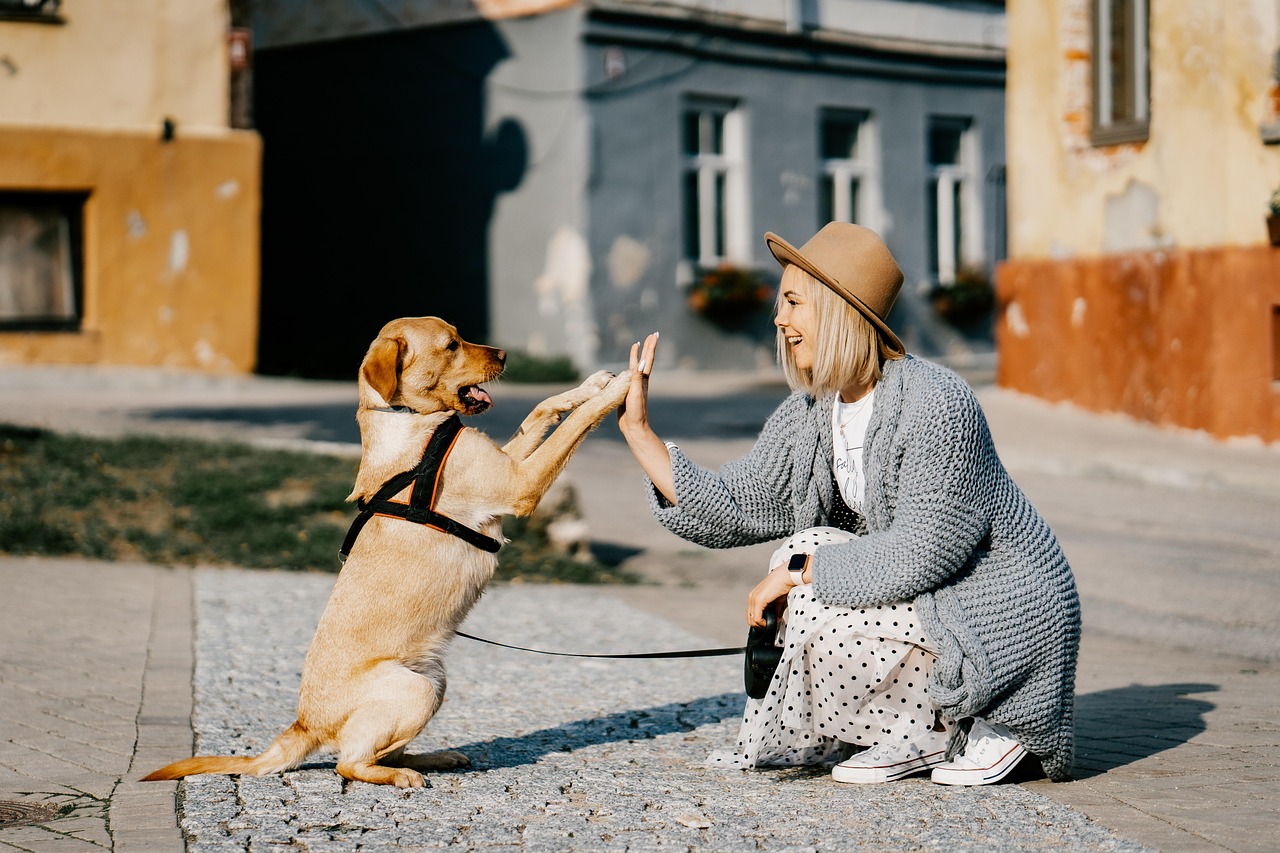

The Protective Effect of Loving Human Care on Dog Mental Wellbeing
The mental health of dogs has gained increasing recognition in recent years. Research indicates that human behavior plays a crucial role in shaping the psychological state of our canine companions. Stressors such as neglect, abuse, and lack of socialization can lead to anxiety and depression in dogs. Conversely, providing a loving and secure environment can greatly enhance their mental wellbeing. Positive human interactions, such as gentle petting and verbal praise, foster a sense of security for dogs. Studies show that the physiological response of dogs improves significantly when they receive affectionate attention from their owners. Emotional support from humans can mitigate factors leading to behavioral problems. Regular routines, exercise, and socialization are also essential in establishing a dog’s positive mental state. Developing a strong bond through trust and affection encourages good behavior and happiness in dogs. This bond can ultimately help dogs cope with life’s challenges, improving their quality of life. It’s essential for pet owners to recognize the impact of their affection on their dogs. Understanding this connection ensures their furry friends lead fulfilling lives that are both mentally and physically healthy.
Recognizing the signs of stress is vital for promoting mental health in dogs. Dogs often communicate their feelings through body language and behavior. Distress indicators include excessive barking, pacing, or destructive actions. Understanding these signs is crucial for dog owners. When owners respond to their dogs’ needs effectively, they contribute positively to their mental health. Adequate training and guidance from positive reinforcement can also alleviate anxiety. Training provides structure, which helps dogs feel secure and reduces their likelihood of developing unwanted behaviors. Alongside training, consistent social interaction with people and other dogs can foster healthy relationships and stimulate cognitive functions. Social experiences can alleviate feelings of loneliness and promote engagement in activities. Enrichment activities such as puzzle toys or interactive games can also provide mental stimulation. Investing time in activities tailored to a dog’s interests can significantly improve their mental states. Creating a healthy, stimulating environment fosters a bond of trust between dog and owner. An attentive owner is better equipped to enhance their dog’s emotional health. This ongoing commitment to care plays an essential role in maintaining a balanced life for these beloved pets, enhancing overall wellbeing and happiness.
The Role of Play in Dog Mental Health
Play is an integral part of a dog’s life and significant for their mental health. Engaging in play fosters physical activity, stimulates the mind, and strengthens the bond between dog and owner. Through play, dogs express their emotions and reduce stress levels. Interactive toys, fetch, or tug of war can foster natural instincts while promoting health benefits. Playtime encourages dogs to explore their environment, which enhances their problem-solving skills. Social play with other dogs is equally noteworthy, offering valuable interactions that teach important social skills. Understanding when and how to play with your dog can make all the difference in their mental well-being. Owners should tailor play activities to suit their dog’s age, breed, and energy levels. Incorporating variety into play routines helps keep dogs mentally stimulated and physically fit. Dogs thrive on positive interactions, and play provides an opportunity for this. The joy of shared activities not only benefits dogs but also enhances the owner’s experience. Nurturing this playful connection fosters an emotional bond that supports healthy behavior and enhances happiness levels in dogs.
The importance of a stable routine in a dog’s life cannot be overstated. Routines help dogs understand what to expect, which significantly contributes to their comfort and security. Predictability in daily activities such as feeding, walks, and play sessions fosters a sense of control for dogs. When a pet owner provides consistency in care, it helps alleviate anxiety. Dogs who are anxious due to unpredictable environments may exhibit behavioral issues that can be avoided through a structured routine. Establishing a regular schedule aids in creating a calm atmosphere that encourages positive mental states. It also allows both owner and dog to bond through shared experiences. Owners should be mindful of changes in their routine, as sudden shifts can unsettle dogs. Ensuring that dogs get ample exercise and mental stimulation fosters a balanced lifestyle that promotes optimal mental health. For example, frequent walks can serve as a great opportunity for social interaction and exploration. All these factors combined create an appealing environment that nurtures a healthy dog. When an owner invests in a dog’s routine, it ultimately translates into emotional stability and better overall welfare for the pet.
Understanding Separation Anxiety in Dogs
Separation anxiety is a common issue that many dog owners face and poses significant challenges to mental health. Many dogs become distressed when their owners leave them alone, which can lead to dangerous or destructive behaviors. Identifying the symptoms is crucial in addressing this condition effectively. Common signs include excessive barking, chewing, or urinating in inappropriate areas. By recognizing these signs early, pet owners can take steps to alleviate the distress their dogs experience. Solutions often involve providing engaging toys or comfort items when leaving the dog alone. Gradual desensitization training techniques can also aid in minimizing anxiety associated with separation. Owners should create a relaxing environment that is safe and a place where dogs feel comfortable when alone. Additionally, ensuring the dog has sufficient physical and mental stimulation prior to being left alone can reduce anxiety. It’s essential to consult with a veterinarian or a professional trainer if anxiety persists. Understanding and addressing separation anxiety is critical in ensuring a dog’s mental wellbeing and maintaining a harmonious relationship between dog and owner.
Training with positive reinforcement methods is influential in fostering good mental health among dogs. This approach emphasizes rewarding desirable behaviors instead of punishing unwanted behaviors. It applies a humane understanding of dog psychology, which can enhance the bond between owner and dog. Positive reinforcement promotes a healthy learning environment where dogs feel safe and confident in challenging situations. Consistently rewarding good behavior encourages dogs to repeat those behaviors, reducing anxiety and stress. Training sessions should be short, engaging, and enjoyable to make the experience positive for dogs. Owners should understand that each dog learns at their own pace, so patience is vital. Including fun activities and socialization during training can also promote comfort and security. As dogs become adept at responding positively, their self-esteem improves, leading to enhanced mental health. When dogs are invested in training that aligns with their needs and interests, they tend to thrive. Training positively reinforces expectations, building trust and security. This mutually beneficial relationship emphasizes understanding and support, contributing to a more substantial overall presence of mental wellbeing for dogs.
Creating a Safe and Nurturing Environment
Providing a safe environment is crucial in promoting mental wellness for dogs. Dogs flourish when they feel secure in their surroundings, as it minimizes stress. An ideal atmosphere incorporates safe spaces, comfortable resting areas, and engaging activities that stimulate their minds. Owners should pay attention to their home environment to eliminate potential hazards. Beyond physical safety, the emotional aspects of the environment cannot be overlooked. Consistent affection and gentle interactions help build trust. When dogs feel secure, they are less likely to exhibit anxiety or behavioral issues. Environmental enrichment, such as providing toys, and introducing new challenges, can contribute significantly to mental health. It is essential for them to have outlets for their energy and curiosity. Creating a space where dogs can roam freely encourages exploration, helping to develop their instincts. Don’t forget the significance of positive human interaction, bonding through shared experiences, and learning new skills. It reinforces their connection with their owner while enhancing mental wellbeing. Ultimately, a safe and nurturing environment is foundational in ensuring that dogs thrive and lead happy, fulfilling lives.
In conclusion, the impact of human behavior on dog mental health is significant and multifaceted. Understanding the emotional needs of dogs can transform their quality of life. Providing affection, structure, and nurturing can profoundly influence their mental wellbeing. Simple actions, like engaging in regular play and establishing routines, can greatly reduce anxiety. Training with positive reinforcement emphasizes healthy learning and interaction, fostering strong bonds. Stress reduction through understanding separation anxiety helps create a secure environment. Owners must recognize the critical role they play in their dog’s emotional health. Investing time in their dogs’ mental wellbeing leads to happier, healthier, and more resilient companions. As pet owners, it’s vital to be observant of changes in behavior and responsive to their needs. The joy of a canine companion is immeasurable, and it is our responsibility to ensure they flourish both physically and mentally. Every effort we make enhances their lives, ensuring they remain joyful and balanced. Embracing our role in their psychological health benefits both dogs and owners alike, deepening the unique bond shared between them. Ultimately, a dog’s happiness translates directly into our own, nurturing a loving and harmonious relationship.