
The Role of Hydration in Preventing Heatstroke in Dogs
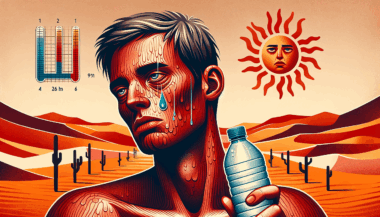
Heatstroke is a severe health emergency that can affect dogs, especially during hot weather. Dogs are prone to overheating because they have limited ability to cool themselves down. A significant method to prevent heatstroke is ensuring that your dog remains well-hydrated. Hydration plays an essential role in regulating body temperature, helping to dissipate heat through panting and sweating through their paws. It’s crucial to always provide fresh and clean water for your dog, particularly on hot days. If a dog becomes dehydrated, it diminishes their capability to regulate body temperature, making them more susceptible to heatstroke. Owners should ensure that they regularly check their dog’s water intake and make water available during walks and playtime outdoors. Moreover, it’s advisable to monitor your dog’s behavior for signs of heat stress, such as excessive panting, lethargy, or drooling. In case you notice these symptoms, it’s vital to act quickly by giving your dog water to drink, and seek medical attention if symptoms persist. Actively managing your dog’s hydration can prevent dire consequences and keep them healthy during hot weather challenges.
Understanding the signs of heatstroke is critical for every dog owner. Some dogs are prone to overheating due to underlying health conditions, age, or specific breeds like Bulldogs or Pugs. Knowing how to spot heatstroke symptoms can save your dog’s life. Early signs include gasping for air, excessive drooling, and disorientation. At this stage, immediately offering water is paramount. You can assist further by bringing your dog to a cooler environment, allowing them to rest. If your dog shows severe symptoms such as vomiting or seizures, you must act swiftly and seek veterinary care. Prevention is always better than cure, and that begins at home. Knowing the importance of hydration as a preventative method will enable you to be prepared. Hydration isn’t just about providing water but also understanding how often and how much to give your dog based on their size, activity level, and weather conditions. It is best to offer water frequently instead of letting them drink excessively all at once. Keeping them hydrated during activities can significantly reduce the risk of heat-related issues. By being vigilant, informed, and proactive, you are ensuring your dog’s health whenever the temperature rises.
Hydration Solutions and Tips
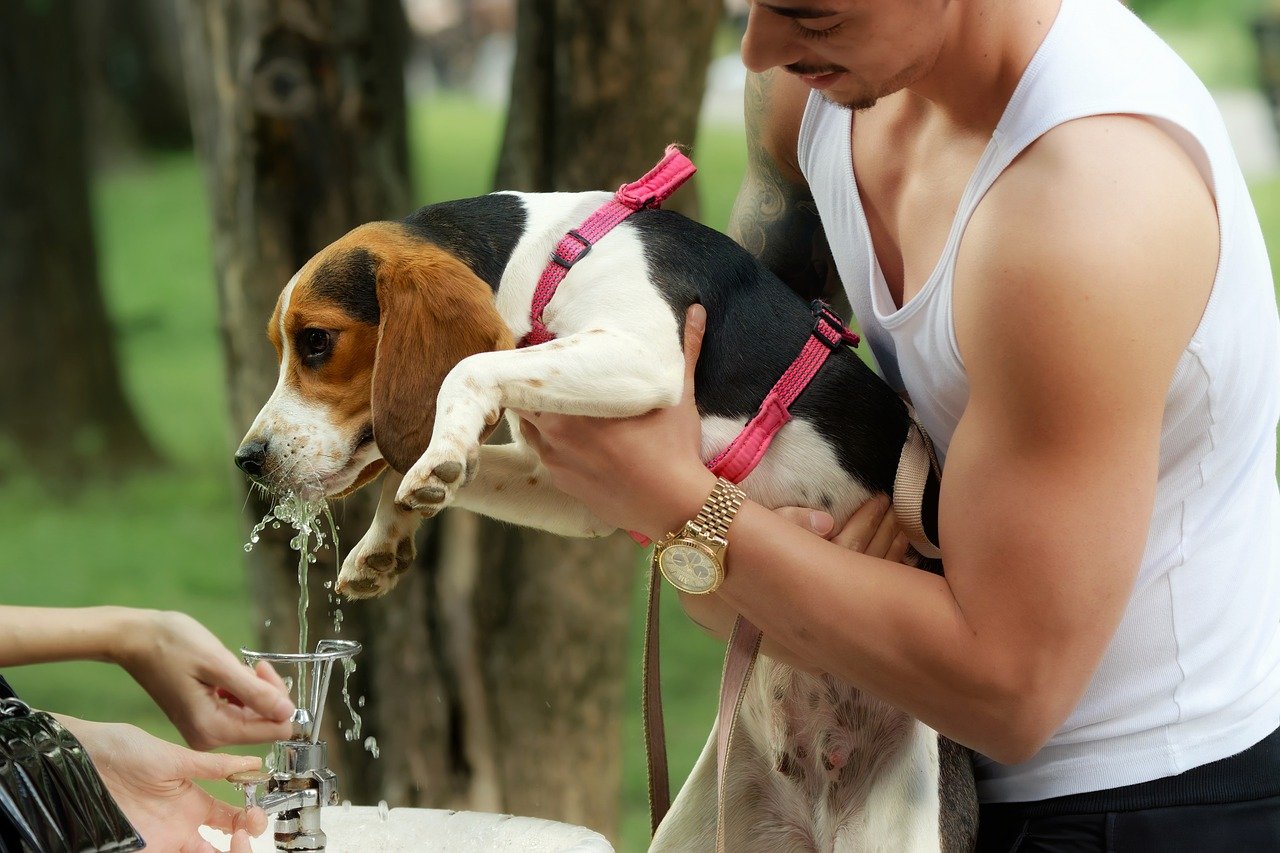
Here’s a list of practical hydration tips to help you keep your dog well-hydrated to prevent heatstroke. First, ensure your dog has access to clean, fresh water at all times, both inside and outside the house. Consider investing in a pet-friendly water fountain to encourage drinking. Second, during walks and outdoor play, carry a portable water bottle designed for pets. This will help you offer water frequently, especially during long sessions outside. Third, add ice cubes to your dog’s water bowl, which will keep water cooler for a more extended period, making it more appealing. Fourth, feed them wet dog food or add water to their dry food, ensuring they receive additional hydration through meals. Fifth, watch for signs of dehydration; your dog’s gums should be moist and elastic. A skin pinch test can also help determine hydration status. Additionally, consider scheduling outdoor activities in the cooler parts of the day, such as early mornings or evenings. Finally, keep your dog indoors in shaded areas during extremely hot weather, significantly when you are not home. Following these tips will improve hydration and help prevent heatstroke.
Another crucial aspect to consider is the role of electrolytes in maintaining proper hydration levels. Just like humans, dogs need electrolytes for optimal physiological functions. When a dog sweats or loses fluids due to high temperatures or intense activity, they lose minerals essential for hydration balance. Providing an electrolyte solution designed for dogs can be beneficial during hotter seasons to replenish these losses. If you’re unsure where to find such products, consult with your veterinarian for reliable recommendations. Home solutions can also be created by mixing water with low-sodium chicken broth, offering a tasty yet hydrating alternative that your furry friend will enjoy. However, always introduce any new solution gradually while monitoring for adverse effects. Moreover, ensure that the recipe follows suggestions approved by veterinary experts to avoid any dietary issues. Educating yourself about essential nutrients that assist in hydration, like potassium and sodium, can further enhance your approach to preventing heatstroke. Additionally, remember to check with your vet for bespoke advice that accounts for your dog’s specific needs, activity level, and breed characteristics. Making hydration balanced and enjoyable creates an excellent foundation for your dog’s health.
Seasonal Care and Hydration Management
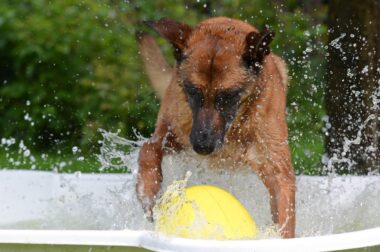
It’s vital to adjust hydration habits according to seasonal changes, especially during the transition from cooler months to the heat of summer. In spring and late autumn, dogs may require less water compared to the hotter summer months, but it’s crucial to keep an eye on their needs. Be proactive and start increasing water access before extreme heat hits. As temperatures rise, your dog’s thirst will naturally increase, demanding more regular water replenishment. To make this easier, consider implementing a routine that incorporates water breaks into your daily dog walk or outdoor playtime schedule. Moreover, keep your water bowls clean and avoid standing water to prevent bacteria growth that can deter your dogs from drinking adequately. If your outdoor environment lacks shade, create shaded areas and plan hydration stations throughout areas where your dog plays. Also, it’s essential to recognize that some dogs enjoy playing in water. Providing a small kiddie pool can allow your dog to cool off and drink simultaneously. Understanding how to manage hydration with changing seasons is vital to keeping your dog healthy and safe, which is the ultimate goal of every loving pet owner.
Another method of monitoring hydration status is through behavioral cues. Observing how often your dog drinks water can provide insight into their hydration levels. If you notice your dog drinking infrequently or displaying decreased activity levels, these may signal dehydration risks. Additionally, monitor your dog’s bathroom habits. Increased urination can indicate sufficient hydration, while scant urination may suggest a need for more water. Likewise, being attentive to your dog’s appetite can help gauge hydration. Dogs that are dehydrated often lose their interest in food. If you spot sudden changes in behavior and eating habits, it is critical to consult a veterinarian. Creating a diary or tracking water intake can establish a routine that makes it easier to recognize fluctuations in drinking habits. Also, consider encouraging social interactions that involve exercise during cooler temperatures rather than peak heat times, making water breaks essential in such activities. Always be equipped with water when you head outdoors, ensuring your dog stays adequately hydrated during adventuring days. Monitoring hydration is ultimately essential, as awareness of these subtle patterns can prevent severe health issues for your beloved companion.
Conclusion and Final Thoughts
In conclusion, preventing heatstroke in dogs is a multifaceted approach, but hydration stands out as one of the most effective preventive measures. Understanding the importance, monitoring levels, and implementing hydration solutions can significantly enhance your dog’s overall well-being, particularly in warmer climates. Always ensure your four-legged friend has fresh and readily available water, which is critical in regulating their body temperature. Following the hydration tips previously discussed will empower you as a pet owner to better manage your dog’s health during the summer months. Moreover, fostering curiosity and awareness about dogs’ unique thirst needs can become fundamental to ensuring they enjoy their time outdoors safely. Be proactive and alert for signs of distress, acting accordingly at the first sign of dehydration or heat distress. Also, engaging in seasonal planning can greatly contribute to their well-being, ensuring that they stay active while preventing overheating. Your dog relies on you, their devoted owner, to navigate through the heat challenges effectively. Prioritize hydration and cultivate a versatile approach to maintain your dog’s health throughout various seasons, thus enhancing their quality of life and reducing heat stress risks.
By embracing these methods, you’re not only acting responsibly but also enriching your dog’s life with safe outdoor experiences. Remember that every dog has unique needs, and tailoring your approach will strengthen your bond through consistent care. Hydration really is a fundamental pillar of your dog’s health that should never be overlooked. Equip yourself with knowledge and the necessary resources to foster an environment in which your dog thrives, especially as temperatures rise. Through attention to detail and loving care, you can help your furry friend enjoy a long, vibrant life free from the dangers of extreme heat. Make hydration a significant priority in your dog’s care arsenal, ensuring they remain healthy during summer adventures. Supporting their health and happiness will undoubtedly lead to many years of joyful companionship. In an ever-changing climate, being a proactive owner can pave the way for a successful relationship with your dog, marked by adventurous and safe experiences. Take the commitment to heart, and your dog will thank you for being an attentive guardian. Together, let’s make every season a safe and enjoyable experience for your beloved pet.