
Undercoat Rakes vs Slicker Brushes: Which is Better for Your Dog?
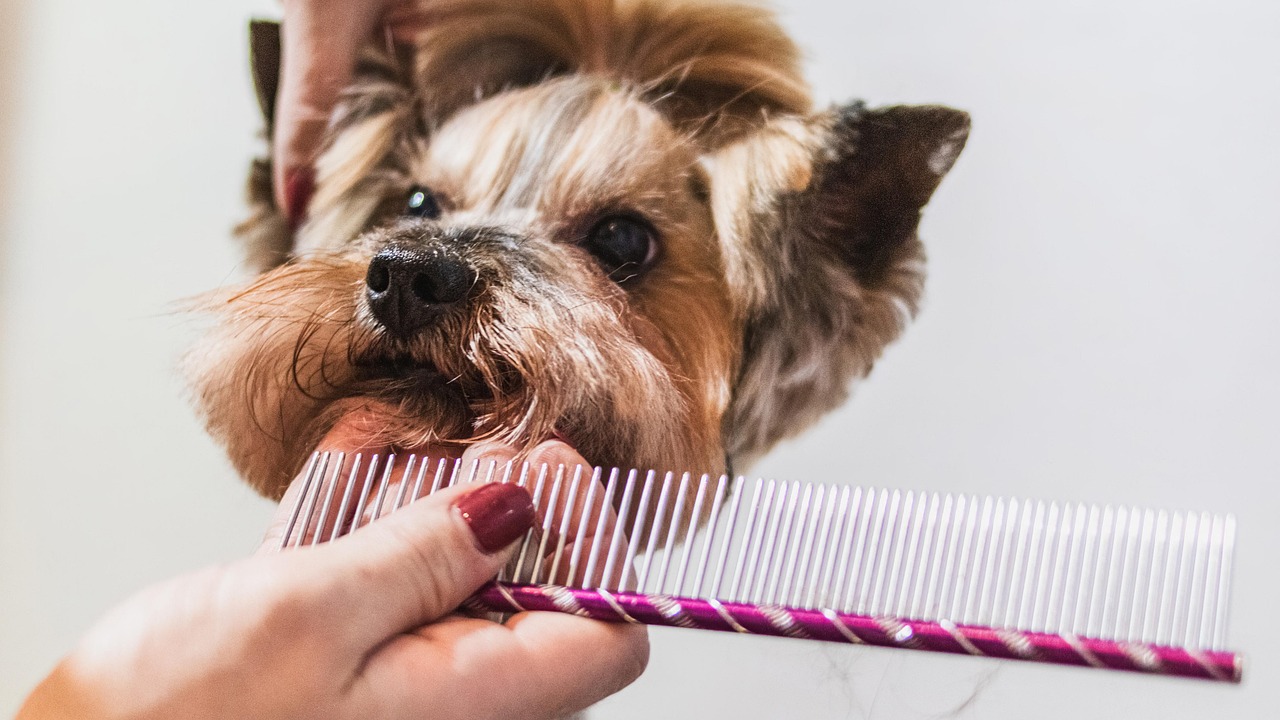
When it comes to grooming your dog, choosing the right tool can greatly influence the health of their coat and skin. Undercoat rakes and slicker brushes are two popular options, each offering distinct benefits. An undercoat rake is designed to dig deeper into the dog’s coat, removing loose fur and debris effectively. It is particularly useful for dogs with double coats as it can help to reduce shedding significantly. The rake’s sturdy metal teeth penetrate the undercoat, promoting air circulation and enabling you to examine your dog’s skin condition closely. For breeds like Huskies or Golden Retrievers, an undercoat rake proves indispensable. Conversely, slicker brushes are best known for their gentle, flexible bristles that glide over the topcoat. They are effective in detangling and removing mats while also reducing static. Their design makes them suitable for various dog breeds and coat types. However, they can be harsh on sensitive skin, so caution is needed. Understanding the unique features of these grooming tools is crucial for maintaining your dog’s hygiene and overall well-being.
The purpose of grooming extends beyond aesthetics; it is a fundamental aspect of your dog’s health. Regular grooming sessions help to eliminate dirt, debris, and loose fur, preventing skin problems and ensuring a clean coat. Undercoat rakes and slicker brushes serve different grooming needs, emphasizing the importance of selecting the right tool based on your dog’s specific coat type. An undercoat rake is ideal for thick, double-coated breeds, allowing you to maintain a healthy undercoat without causing discomfort. It helps to control excessive shedding and minimizes the amount of fur in your home. Moreover, frequent grooming strengthens the bond between you and your dog while creating a calming routine. On the flip side, slicker brushes are perfect for removing tangles and mats in long-haired breeds. They encourage a shine while also being easy to handle. Both tools have their place in a grooming routine, but knowing when and how to use them will ensure that your dog enjoys the grooming experience rather than dreads it. A well-groomed dog is a happy dog, and finding the correct grooming tool is essential to achieving that goal.
Features of Undercoat Rakes
Understanding the features of undercoat rakes can help dog owners make informed decisions while grooming. These brushes are characterized by their stiff metal teeth that efficiently reach through the top layer of the fur. Their primary function is to remove the undercoat, which is crucial for specific breeds prone to heavy shedding. Many undercoat rakes come with adjustable lengths, allowing you to customize the grooming process based on your dog’s size. The rake should be used delicately to avoid hurting your dog’s skin; therefore, a gentle hand is necessary. Regular use of an undercoat rake can lead to a healthier coat and reduce the likelihood of matting. It promotes better airflow to the skin, reducing the risk of hotspots and irritating skin conditions. Additionally, dog owners appreciate the ease of cleaning these rakes as fur clumps can be easily removed after each use. Plus, it provides an excellent way to bond with your pet while offering a soothing experience. Overall, the proper knowledge of this grooming tool’s features ensures effective usage and keeps your dog looking its best.
While undercoat rakes are great for dogs with dense fur, slicker brushes offer advantages that shouldn’t be overlooked. They feature fine, bent wire bristles designed to gently detangle and smooth the coat. Slicker brushes are particularly effective on long-haired and wiry breeds, as they can tackle knots that hinder appearance and comfort. This tool not only helps to remove loose hair but also redistributes natural oils across your dog’s coat, promoting shine and health. One notable aspect of slicker brushes is their effectiveness in reducing static and flyaways, which can be an issue in certain coat types. However, pet owners must remember to choose the right size for their dog; a brush that is too large may lead to uncomfortable grooming sessions. Many slicker brushes also come with ergonomic handles, making them easier for you to use during grooming time. As a rule of thumb, regular use of slicker brushes can enhance your dog’s coat condition while reinforcing your bond. Knowing the distinct benefits of grooming tools ensures a fulfilling grooming experience to keep your dog’s coat healthy and beautiful.
Comparing Effectiveness
When comparing the effectiveness of undercoat rakes and slicker brushes, it’s essential to consider specific grooming needs. Undercoat rakes excel at tackling shedding by penetrating deeper into the coat, which slicker brushes may not effectively achieve. If your dog has a thick undercoat, an undercoat rake will likely be your best bet for controlling shedding and minimizing matting. However, slippery brushes shine when it comes to surface brushing, detangling knots, and enhancing coat shine. Another important factor is the comfort level of your dog; some may prefer one type of brush over the other. Testing both options during grooming sessions can help determine which tool your dog is more receptive to, reducing anxiety. Cost also comes into play; undercoat rakes can be slightly more expensive than slicker brushes. However, making a one-time investment in high-quality grooming tools saves money in the long run by lessening grooming frequency and promoting skin health. Keeping both tools handy may provide the best overall care for your dog, ensuring their coat stays tangle-free and healthy throughout the year.
Before deciding between an undercoat rake and a slicker brush, a thorough evaluation of your dog’s specific needs is crucial. Factors like coat type, breed, and shedding levels all play a role in determining the ideal grooming tool. For instance, breeds such as Golden Retrievers benefit significantly from the use of undercoat rakes, while breeds like Shih Tzus may be better suited to slicker brushes. Your dog’s comfort during grooming is equally vital. A brush that yanks or pulls hair can lead to a negative grooming experience and resistance in future sessions. Ensuring a positive grooming environment builds trust between you and your dog, making it a more pleasant routine. Another consideration is the overall effectiveness of each tool in controlling shedding; if excessive fur is a concern, an undercoat rake may be more beneficial. Reflection on your own grooming preferences is important as well. Some pet owners prefer quick sessions, while others may enjoy spending more time creating an enjoyable grooming experience. Ultimately, the right tool aligns with your dog’s grooming needs and your personal grooming style.
Conclusion: Choosing the Right Tool
In conclusion, both undercoat rakes and slicker brushes offer unique benefits, making them valuable tools in pet grooming routines. Understanding the different functionalities and purposes of each can empower dog owners to provide better care for their pets. If your dog’s coat requires deep cleaning and de-shedding, an undercoat rake will be your best choice, especially for double-coated breeds. Conversely, for dogs with longer and more delicate fur types, a slicker brush is preferable for detangling and smoothing. Ultimately, the best approach may be to have both tools available, as each serves specific grooming needs effectively. Regular grooming not only benefits coat health and appearance but also fosters bonding time between pet and owner. As you decide on your grooming tools, consider your dog’s unique characteristics, preferences, and shedding patterns. Investing in high-quality tools will contribute to a positive grooming experience. Your dog deserves the best possible care, and the right grooming tool can make all the difference in keeping them comfortable, looking great, and healthy.
As a final note, always observe your dog’s reactions during grooming sessions. If you notice discomfort with one tool over another, adapt accordingly without hesitation. Your dog’s comfort and happiness during grooming should always be a priority. Frequent grooming ensures that you keep track of changes in your dog’s coat and skin, making it easier to identify any potential health issues. Overall, the goal is to create an enjoyable grooming environment that promotes overall well-being and strengthens your bond with your furry companion. Proper grooming practices are essential regardless of the tool you choose; regularly scheduled grooming helps to maintain cleanliness, reduces allergens, and stimulates the skin. After all, your dog is more than just a pet; they are part of your family. A well-maintained dog is likely a happier, healthier dog. Remember to enjoy the process and reward your dog for their cooperation and patience during grooming. A few treats and gentle praise can turn every grooming session into a positive experience. In the end, your dog will appreciate the effort you put into their grooming routine, leading to a well-groomed, happy companion.