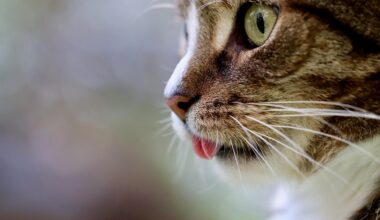

Adjusting Cat Exercise Goals for Indoor vs. Outdoor Cats
Creating exercise goals for your cats can significantly enhance their well-being and physical health. Cats require appropriate levels of stimulation to stay active and engaged. Understanding their living environment helps in customizing exercise routines effectively. Indoor cats often have limited space, requiring their owners to be more creative with playtime activities. Ensure to choose toys that stimulate movement, such as feather wands or laser pointers. It’s crucial to set daily goals; for example, aiming for 30 minutes of interactive play each day. In contrast, outdoor cats naturally have more opportunities for exercise, exploring wider spaces. They can climb trees, chase birds, or run freely. Nonetheless, outdoor cats still benefit from guided play sessions. Setting goals for them may involve structured outdoor activities, such as supervised walks or play in a secured yard. Tracking these goals and adjusting as necessary can help maintain a healthy, active lifestyle for both indoor and outdoor cats. This mindful approach to exercise can prevent obesity, enhance mood, and foster a strong bond between you and your feline friend.
In understanding your cat’s exercise needs, consider age and health status as contributing factors. Kittens are naturally energetic and require ample opportunities to expend energy. Their exercise routines should involve dynamic play, perhaps with multiple short sessions throughout the day. Use cat trees and tunnels, encouraging mental stimulation alongside physical activity. Adult cats, depending on their physical condition, may require a more structured approach. Tailor exercise sessions to include a mix of active and sedentary time to accommodate their varying energy levels. Older cats tend to have reduced activity levels; encouraging gentle play through interactive toys is beneficial. Setting realistic and achievable exercise goals is vital to ensure they participate willingly without feeling pressured. If your cat has health issues, consulting with a veterinarian to establish a customized exercise plan is essential. Taking into consideration their unique needs will help in setting appropriate goals. Whether indoor or outdoor, using a mix of activities, such as hunting simulations and fetch games, aligns with their natural instincts. Balanced exercise is key for a fulfilling life for both indoor and outdoor cats, allowing them to thrive in their environment.
Understanding Behavioral Differences
Each cat has a unique personality that influences their play preferences and exercise habits. Some cats may prefer solitary play, while others thrive in social interactions, emphasizing the need for tailored exercise routines. Understanding these behavioral differences can guide the choice of play activities. Indoor cats may be more inclined to enjoy interactive toys, requiring human engagement. Activities such as using treat-dispensing toys or engaging in puzzle games can foster both exercise and mental stimulation. For outdoor cats, the desire to explore and hunt is more pronounced, showcasing their natural instincts. Providing secure access to outdoor spaces while facilitating play may enhance their physical fitness. Setting goals for these cats can incorporate free playtime to encourage exploration while also including structured play sessions at home. Moreover, observing and noting their preferences can lead to better alignment of exercise activities with their personalities. Thus, while outdoor and indoor environments present different challenges, recognizing individual differences ensures tailored goals that work effectively and engage your cat in beneficial behaviors. This approach paves the way for healthier lifestyle habits that create a fulfilling environment for both indoor and outdoor felines.
Another vital aspect of creating exercise goals for cats lies in choosing appropriate toys and equipment. For indoor cats, selecting items that prompt physical movement while also enticing their natural hunting instincts is key. Toys that mimic the movement of prey, such as small balls, feather toys, or lasers, can provide excellent stimulation. Consider interactive toys that require them to think and engage actively. For outdoor cats, ensuring their safety while they exercise is paramount. Opt for sturdy harnesses and leashes if you explore the outdoors with them. Setting a goal to take an outdoor cat for regular, safe walks can be an exciting way to encourage healthy behavior. Additionally, constructing a secure outdoor play area or ‘catio’ can provide a stimulating environment while keeping them safe from hazards. Regularly assessing the effectiveness of the toys and activities is essential, adapting them as your cat matures or their interests change. Finding the right balance of toys and activities can foster irresistibly fun moments, ensuring they meet their exercise goals while developing physical and mental health in both indoor and outdoor settings.
Incorporating Treats and Rewards
Incorporating treats and rewards into your cat’s exercise routine can motivate them to engage more frequently. Positive reinforcement is a powerful tool; rewarding your cats with treats when they complete specific exercise goals significantly helps maintain interest. Consider offering small, healthy treats immediately after an active session as this reinforces their participation. Keep in mind that moderation is crucial, ensuring that treats do not contribute to excessive caloric intake, which may lead to obesity. For example, using low-calorie treats can balance the rewards without compromising their diet. Interestingly, some cats may respond better to praise or affection instead of treats. Tailoring your rewards to fit your individual cat’s preferences can result in a more engaged and enthusiastic exercise session. Regularly rotating between different activities and reward systems can prevent boredom, keeping your feline friend highly motivated. Furthermore, establishing clear connections between exercise and rewards elevates their excitement for playtime. Ultimately, customizing these strategies based on your cat’s uniqueness results in effective exercise habits that not only promote physical health and vitality but also strengthen the bond between pet and owner.
Monitoring your cat’s progress regarding exercise goals is essential in adjusting routines as needed. Keeping a journal or using an app to record their daily activity levels provides valuable insights. This practice allows you to identify trends in their energy levels, play preferences, and overall engagement during exercise. For instance, if certain activities seem less appealing, it may be necessary to introduce alternative toys or play methods. If your cat is notably less active than expected, it could indicate health concerns requiring a veterinary check-up. Regular evaluations of exercise sessions can assist in identifying effective routines that work for your cat’s temperament and needs. Fostering an environment that encourages regular movement while being attentive to their limits ultimately promotes safer exercise routines. Additionally, engaging in conversations with fellow cat owners or professionals can provide insights and ideas for appropriate modifications in your plans. Keeping your cat’s interests at the forefront will always guide successful adjustments. Thus, consistent monitoring leads to optimal exercise strategies that enhance your cat’s overall lifestyle and physical health.
Final Considerations for Cat Fitness
Taking all these factors into account, creating exercise goals for both indoor and outdoor cats allows for customized routines that fit their lifestyles. Understanding their individual personalities, health requirements, and preferences leads to effective strategies that motivate and engage them. Balancing excitement and safety should always be top priorities. Ensure indoor cats benefit from environments filled with stimulation and appropriate toys while also giving outdoor cats room to explore their natural behaviors within secure confines. Customizing goals that suit your cat’s fitness levels and gradually building them up will yield positive results in their activity levels. With all the approaches discussed, transitioning these practices into daily routines will not only boost physical fitness but overall well-being for your feline companion. Staying proactive with adjustments based on their progress is key to ensuring lasting engagement in their exercises. Foster an environment where both indoor and outdoor cats thrive through carefully structured playtime, solidifying your relationship as you contribute to their active lifestyles.
Ultimately, your commitment to creating and adjusting exercise goals establishes a foundation for a longer, healthier life for your cat. Prioritizing playtime as an essential aspect of their daily routine cultivates happiness and enriches their lives. Remember, every cat is unique; thus, being attentive and flexible with their exercise habits will help in maintaining a fulfilling lifestyle. Engaging with a variety of play methods provides the necessary stimulation for both indoor and outdoor cats and meets their exercise needs. Finding innovative avenues to integrate play into daily life creates opportunities for bonding experiences, contributing to emotional well-being. Whether it involves interactive toys for indoor cats or scheduling outdoor adventures, ensure that every cat can engage with their environment playfully. The ultimate aim should always be to foster a safe, stimulating atmosphere where they feel encouraged to play and exercise. By valuing their individual preferences and health needs, you set them on a path to fitness that contributes to their overall quality of life. Embrace this delightful journey as a pet owner, nurturing an enjoyable, health-centered lifestyle for your feline friend.