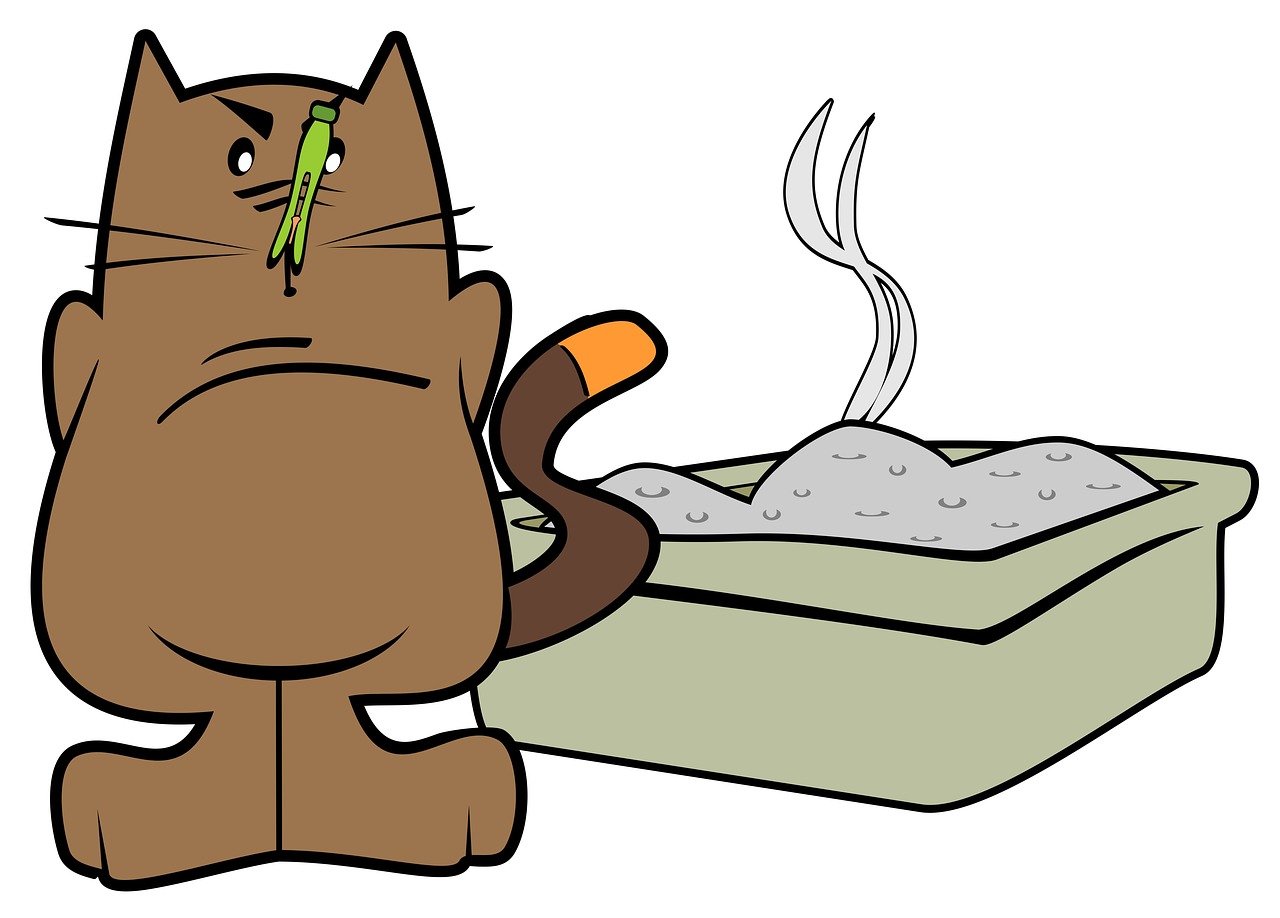

Dealing with Litter Box Aversion: Causes and Solutions
Litter box aversion in cats is often a multifaceted issue that requires a thoughtful approach. Many factors can contribute to this behavior, making it essential to identify the root cause. Common reasons for aversion include health-related issues, environmental factors, or behavioral problems. Addressing these factors helps ensure a smooth transition back to litter box use. A trip to the veterinarian is crucial. Medical conditions like urinary tract infections can lead to a cat associating pain with the litter box. It is vital to rule out these health problems before implementing behavioral changes. Consider the litter type you are using, as some cats prefer finer textures or specific scents. Placement of the litter box is equally important; ensure it is in a quiet, accessible area away from daily noise. Always provide multiple litter boxes, especially in multi-cat households, reducing the competition and providing options. Lastly, cleaning the box frequently can help maintain a welcoming environment. By examining and adjusting these factors, you can help your cat overcome litter box aversion effectively.
Another aspect to consider is the cleanliness of the litter box itself. Cats are generally very clean animals and can be sensitive to odors or dirt. Regular cleaning of the litter box can help your cat feel more comfortable using it. Aim to scoop out waste daily and replace the litter entirely every week. This could significantly enhance their willingness to use the box again. Furthermore, consider the size and shape of the litter box. Most cats prefer larger boxes that accommodate their movements, so investing in a spacious box could make a difference. Additionally, some cats may feel claustrophobic in covered boxes. Experimenting with an open box may provide a solution. Introducing a new type of litter can also spark interest, especially if your cat previously disliked the texture. Gradually mixing the new litter with the old can help ease the transition. Remember, consistency is key; keep try these changes for at least a couple of weeks. Litter box aversion is common, and with the right persistence and adjustments, you can encourage your feline friend back to consistent litter box use.
Understanding your cat’s individual preferences can also play a significant role in addressing litter box aversion. Every cat is unique, and what works for one may not work for another. Pay attention to how your cat reacts to different types of litter and box styles; this can inform your choices moving forward. Many pet owners find that trying unscented litter made from natural materials can have a positive effect. Scentless options will often appeal more to cats, reducing their aversion to the box. It’s also important to think about the litter box’s location. If your cat feels unsafe or cornered, they may hesitate to use it. Ensure it’s placed in a quiet, predictable location. If your household has children or other pets, consider installing barriers or ensuring the box is in an area that provides privacy. Ensure that the litter box is big enough for your cat to use comfortably. Adjust the setup based on observations to promote a calm environment. This attention to detail can help your cat feel secure and significantly reduce their stress related to using the litter box.
Behavioral Mitigation Strategies
Behavioral mitigation strategies are critical for resolving litter box aversion in cats. Positive reinforcement is one effective approach; whenever your cat uses the litter box, offer treats or verbal praises. This helps associate the litter box with positive experiences. Observe closely for signs of avoidance, such as scratching the floor or meowing near the box; these behaviors indicate discomfort. Addressing their issues can prevent them from developing a long-lasting aversion. Slow and gradual movements toward a solution can yield the best results. If other animals are causing stress near the litter box, adjust the environment accordingly. If necessary, temporarily relocate the box to a more secluded area for a trial period, allowing your cat to use it freely. Increasing playtime and interaction can also reduce stress in cats, thus leading to a more relaxed attitude toward their litter box. Incorporate daily play into your routine, allowing them to engage and exercise. Understanding stress triggers and modifying your approach will create a more conducive atmosphere for your cat, leading to a successful resolution of litter box aversion.
Environment is a huge factor to consider regarding litter box aversion. Cats thrive when they have a stable and secure environment. Understand that changes in your household, such as new pets, moving, or even a shift in your schedule, can influence their behavior. Keeping a habit of providing multiple litter boxes, especially in a multi-cat home, decreases competition and stress among them. As a rule of thumb, have one litter box per cat plus one extra, ensuring they always have access to a comfortable option. You might also contemplate using a specific type of litter that mimics outdoor soil as it may attract their interest. Cats are instinctually drawn to places that feel safe and secure, so strive to create an inviting space. For some cats, herbal attractants can be added to the litter to entice them. This option can encourage them back to the box. Gradually, you should observe changes in their behavior. Maintaining consistency through transition phases will help solidify their comfort with the revised environmental setup.
Finally, if your cat’s litter box aversion persists despite all adjustments, consult a professional animal behaviorist. Sometimes, deeper psychological issues can underlie their refusal to use the litter box. A skilled behaviorist can provide personalized strategies and solutions tailored to your cat’s situation. Understanding feline behavior through the lens of behavioral science can offer much-needed insights. Additionally, keeping a journal to record your observations and attempts can help both you and the behaviorist identify patterns over time. You might discover connections between environmental changes and your cat’s behavior, making it easier to implement targeted adjustments. Such records can also help track your cat’s progress and determine what changes lead to positive outcomes. While it can be frustrating, maintaining patience throughout this process is essential. It might take time before significant results are visible. However, with suitable interventions and adjustments in your methods, the likelihood of your cat overcoming litter box aversion increases significantly. Always be observant and responsive; your commitment is key to achieving success in resolving litter box issues.
In summary, addressing litter box aversion in cats requires a holistic understanding of behavioral and environmental factors. Focus on cleanliness, comfort, and confidence, ensuring your cat feels safe using their box. Regular observation and adaptability can lead to lasting solutions. Many owners find success with a combination of techniques, ranging from health checks to behavioral modifications. Always take the time to evaluate your cat’s surrounding conditions. Do not rush the process, as patience is crucial in cultivating a positive outcome. With these methods and an understanding of your cat’s needs, litter box aversion can be managed successfully. Ensure to maintain engagement with your pet. This level of attentiveness fosters trust, gradually reassuring your cat that the litter box is indeed their safe space. Incorporate consistent routines and novel strategies, leading to willingness and comfort for your pet when using their litter box. Celebrate small victories along the way to encourage a more enjoyable experience for both of you. In the end, taking proactive steps will help reinstate a loving, trusting relationship while ensuring your home stays clean and free from unwanted accidents.
Through informed adjustments grounded in love and understanding, overcoming litter box aversion is entirely possible. Remember that every cat is distinct, with their own set of preferences and needs. Embrace this journey with your feline friend as you navigate potential hurdles together. By employing the right techniques and creating the ideal environment, you can encourage your cat back to a happy and consistent litter box experience.