
How to Create a DIY Cat Play Area in Your Home
Creating a DIY cat play area is essential for indoor cats as they need stimulation for their physical and mental well-being. Indoor cats lack the opportunity to engage with the outdoors, making playtime even more crucial. To start, assess the space you have available for a cat play area. You can use a corner of the living room or a spare bedroom to set up. Make sure the area is safe and free from hazards. Creating vertical space can also enhance the play area. Consider adding shelves or cat trees to encourage climbing and jumping. Cats enjoy elevation, and this provides a great way for them to exhibit their natural instincts. Additionally, ensure that the area is enriched with different textures and surfaces, as this will keep your feline friend intrigued. Cardboard boxes or fabric tunnels can be excellent accessories for cats to explore. Lastly, don’t forget to incorporate toys. Rotate toys to keep them fresh and engaging, ensuring your indoor cat remains stimulated while enjoying their new play area.
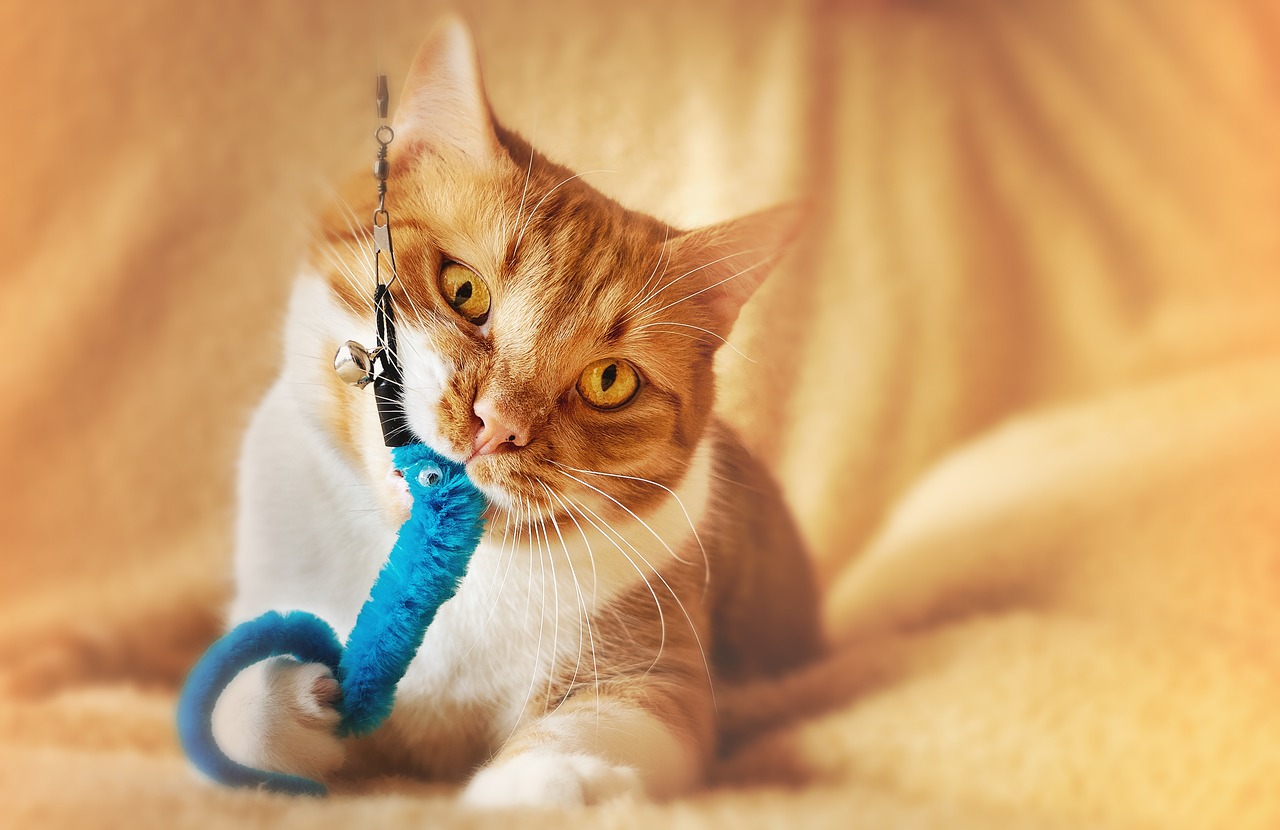
Another crucial component in creating a cat play area is ensuring you have various toys that engage your cat’s instincts. Items like feather wands or laser pointers can provide hours of entertainment as your cat chases and pounces. Additionally, consider filling a box with crumpled paper or soft balls, as these items can also engage their hunting instincts. Cats are natural hunters, and offering simulated prey can satisfy this need even indoors. It’s important to prioritize safety when selecting toys; avoid anything with small parts that could be swallowed. You can also look for interactive toys that encourage your cat to think and solve puzzles. Not only are they fun, but they also stimulate your cat mentally. Many toys incorporate treats or food dispensers that reward your cat for their efforts. Rotate different types of toys regularly to maintain their interest. Finally, consider investing in scratching posts or pads, which can help keep your cat’s claws healthy while providing them with a much-needed outlet for their instincts.
Utilizing Space Effectively
Utilizing space effectively is foundational when creating a cat play area. Often, indoor spaces may seem limited, but you can maximize vertical and horizontal space creatively. Look around your home for areas where shelving can be installed, allowing your cat to move between different levels. This vertical stimulation is not only enjoyable for them but also healthy, as it encourages exercise. For horizontal space, scattered soft rugs and mats provide comfortable landing spots when they jump or run. You might want to incorporate low furniture such as ottomans or benches that are safe for your cat to explore. These additions can also act as lounging spots when they are ready to relax. Further, using materials like cat grass pots or small plants that are non-toxic will add an element of nature to their play area. Adding a window perch can provide outdoor views, enhancing their play experience and keeping them curious. Engaging with their environment through all available dimensions encourages active play while also enriching their home life.
Interactive elements can significantly enhance the DIY cat play area for your feline friend. Creating areas where your cat can engage with different games will ensure they always have something to do. Cat tunnels, for example, can provide an interesting hiding and pouncing location, making the play area much more stimulating. You might also want to introduce toys that encourage them to chase or peer through holes, mimicking their natural behaviors. For instance, automated laser toys or treat-dispensing toys can add excitement. Setting up small obstacle courses with common household items will challenge your cat mentally and physically. You can lay out pillows for them to leap over or create blankets for them to hide beneath. Providing these dynamic elements keeps your cat emotionally satisfied and helps avoid behavioral issues resulting from boredom. Interaction can occur via playtime, but also through positive reinforcement when they engage with their environment. By earning treats when they complete a challenge, your cat will develop a sense of achievement every time they play!
Fostering Social Interaction
Fostering social interaction within the DIY cat play area is essential for cats, especially if more than one cat is in the home. Providing different play zones where they can engage with each other positively can strengthen their bond. Incorporate dual scratching posts or shared climbing areas where they can play together or observe each other safely. This shared environment should be spacious enough to minimize competition, which is crucial when introducing new elements. When engaging in play, supervise their interactions to ensure they learn to play without conflict. Incorporating interactive toys that require simultaneous engagement, like pulling strings or batting balls, ensures they work as a team. Use shared challenges to encourage teamwork, rewarding both cats when they complete tasks together. Integrating play with social bonding creates a harmonious atmosphere in your home while decreasing stress in multi-cat households. By creating positive experiences, you will enhance their social skills and provide enriching environments for each cat to thrive.
Regular maintenance of the cat play area is just as essential as its initial setup. Over time, toys can become worn out and surfaces may become dirty, which is why routine checks are necessary. Ensure that any toy or piece of furniture remains safe for your cat to use by routinely inspecting and cleaning them. Regularly clean scratching posts by vacuuming off cat hair and debris to maintain hygiene. Check for frayed edges on toys, replacing any that may pose ingesting risks. Additionally, depending on your cat’s preferences, it’s good to rotate toys every few weeks, which keeps the space fresh and exciting. A clean environment positively affects your cat’s mental health, while their interest remains piqued through variety. When maintained correctly, your DIY cat play area will not only serve as a play zone but as a cozy retreat where your cat can feel secure and content. An effective play area will ultimately enhance their happiness and well-being for years to come.
Conclusion
Creating a DIY cat play area is an important step toward ensuring your indoor cat lives an enriched life. By thoughtfully considering your space, incorporating a variety of toys, and fostering social interactions among any multiple cats, you can create an environment that meets their needs. Regular maintenance and updates will keep the area both fun and safe for your kitty. Remember, an engaging space mimics their natural behavior, ensuring they get the physical and mental stimulation they require. A well-planned play area allows your cat to thrive in an indoor setting, keeping them happy and healthy. You’ll also enjoy observing their antics and knowing you’ve created a space specifically for their enjoyment. In the end, an inviting environment that promotes activity and health is the best gift you can give to your beloved feline. Start to implement these tips now and watch your cat flourish. The happiness of your pet is the ultimate reward when it comes to enhancing indoor play experiences!