
How to Keep Your Dog House Pest-Free
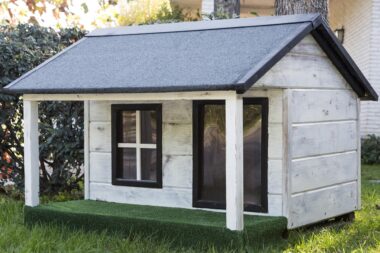
Keeping your dog house pest-free is essential for the health and happiness of your furry friend. First, ensure that the structure is well-built, with minimal gaps or cracks that pests can exploit. Inspect the exterior regularly for signs of damage. Additionally, using proper materials can deter pests. Opt for treated wood or metal instead of untreated wood, which is more susceptible to pests. Furthermore, cleanliness is key; keep the area around the dog house clean and free of food debris to avoid attracting unwanted guests. You can also implement barriers, such as metal or concrete skirting around the base of the dog house, to prevent burrowing animals. Monitor the inside of the dog house regularly and promptly repair any damage you discover.
Pest control methods vary, and it’s wise to choose non-toxic solutions whenever possible. Natural repellents, such as peppermint oil or vinegar, can be effective in warding off insects like ants and spiders. Essential oils may also provide a pleasant scent while deterring mosquitoes. Create a barrier using these solutions around the dog house to keep these pests away. For fleas, regular grooming and bathing are crucial; flea treatments can also be applied to your dog. Routine checks for fleas and ticks can help catch any infestation before it spreads.
Another essential aspect of keeping your dog house pest-free is proper ventilation. Make sure your dog house has adequate airflow to avoid moisture buildup, which attracts mold and insects. Consider including windows or ventilation holes covered with mesh to keep pests out while allowing fresh air in. In winter, it’s vital to keep your dog warm without sacrificing airflow. Insulating the house can help regulate temperature and prevent condensation, making it less appealing to pests. Maintenance plays a critical role; routinely check and clean the vent systems to keep them functional and free of debris.
Landscaping Considerations
Your yard’s landscaping can significantly impact the pest presence around your dog house. Keep bushes and tall grass trimmed to reduce hiding spots for rodents and other pests. Creating a buffer zone around the dog house with gravel or mulch can deter insects from entering the space. Additionally, planting pest-repelling plants, such as lavender or marigolds, can help keep pests away naturally. Establish a good drainage system in your yard to prevent any standing water, which is a breeding ground for mosquitoes. Always monitor the area around your dog house, and remove any debris or potential pest habitats regularly.
Ensure that your dog’s feeding habits also contribute to a pest-free environment. Store dog food in airtight containers to keep pests out. Regularly clean up any spillage from feeding areas to avoid attracting ants or mice. Establish a set feeding schedule to minimize the time food is left outside. Remove uneaten food promptly, especially during warmer months when pests are more active. Other items like chews or treats should also be stored properly. Maintaining a clean feeding routine not only protects from pests but also contributes to your dog’s overall health.
Regular inspections play a significant role in pest control. Look for signs of infestations, such as droppings, chewed wires, or nests, and address them immediately. If you notice excessive pest activity, it might be time to consult a pest control professional for help. Provision of a comfortable, clean living environment will deter pests on its own. Additionally, always research pest management solutions before applying them, especially in the area where dogs typically reside. Your efforts in regular maintenance can make a powerful impact on keeping both your pet and their living space safe.
Conclusion
Keeping a dog house pest-free requires consistent effort and attention to detail. By implementing preventive measures, you can create a comfortable environment for your dog that discourages pest infestations. Regular inspections, coupled with appropriate cleaning habits and landscaping considerations, significantly reduce pest activity. Use natural repellents whenever possible, and always monitor any potential pest entry points. Keeping your dog healthy involves ensuring their living conditions are optimal for avoiding pests. Easier said than done, these steps will surely lead to a more enjoyable area for your dog. A little vigilance will go a long way in providing a safe and welcoming space for your beloved pet.
In conclusion, investing time in keeping your dog’s house free of pests is vital. It enhances your dog’s comfort and health. Moreover, it protects your home and property from potential damage. If dealing with persistent pest issues proves challenging, consider seeking professional guidance. They can provide insights tailored to your specific needs. Remember that pest control is an ongoing process that requires adjustments. Focus on creating a welcoming outdoor environment for your dog while reducing the risks of unwanted critters. This approach will make both you and your dog happier. Enjoy your time with your furry friend in a serene, safely maintained environment.