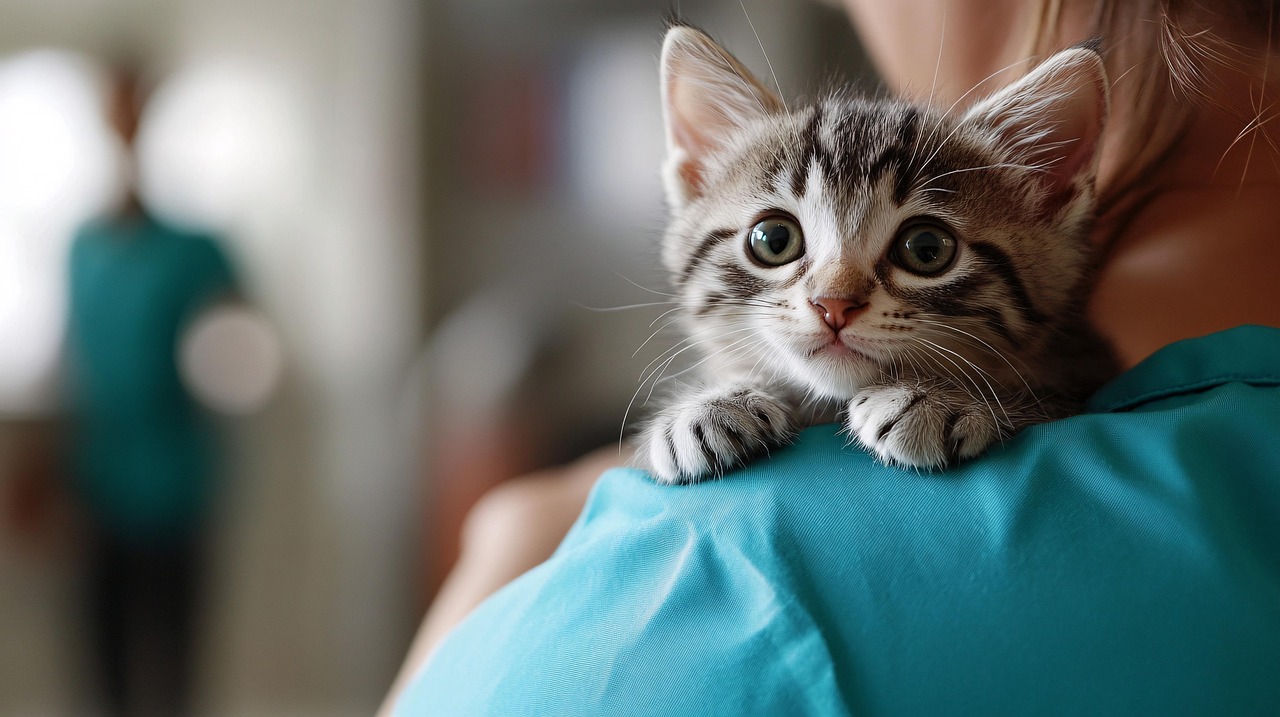

How to Prepare Cats with Command Training for Vet Visits
Preparing your cat for vet visits is essential for reducing stress and ensuring their safety during travel. One effective method to achieve this is through command training. By teaching particular commands, you can help your feline friend feel more comfortable and secure in unfamiliar environments. Start by selecting specific commands that will be used consistently. Basic commands like “sit,” “stay,” and “come” can be extremely beneficial during the travel process. This technique forms a strong foundation for obedience, making it easier to control your cat in various situations. Make training sessions short and enjoyable to keep your cat motivated. Utilize treats as rewards for successful command execution, creating a positive association with the behaviors you’re teaching. Consistency is key; practice daily to reinforce the learned commands. Additionally, exposing your cat gradually to their carrier will help them see it as a safe space. Begin with short sessions inside the carrier, eventually lengthening the time. This approach can help demystify the carrier and create a more positive experience for your cat during vet visits. Focus on gradual acclimatization for best results.
Incorporating a carrier-friendly environment is crucial for successful command training outcomes. Choose a sturdy and comfortable carrier, allowing plenty of room for your cat to stand and turn. Familiarize them with the carrier by placing their favorite blanket or toy inside, which serves to create a comforting atmosphere. Start introducing your cat to the carrier by leaving the door open, encouraging them to explore at their own pace. Reward your cat with treats and praise when they enter the carrier, reinforcing their positive behavior. As your cat becomes more comfortable, practice closing the door briefly while they are inside. Gradually increase the amount of time they spend in the carrier while rewarding them afterward. Ensuring a non-threatening approach is essential when training your cat for travel. Be mindful of their body language; if they appear stressed, take a step back and reduce the intensity of training. Engaging your cat in playtime within the carrier can also help them associate it with fun activities. Over time, your cat will learn to view its carrier as a safe refuge, easing the overall stress of vet visits and travel.
Another vital aspect of command training involves introducing specific travel commands that signal specific actions. For instance, use a command such as “in” when asking your cat to enter the carrier. Pair this command with treats to reinforce the behavior. Similarly, a command like “out” can signal when it’s time to leave the carrier. Practice these commands repeatedly until your cat reliably responds. Be patient and consistent; all pets learn at their own pace. You can even incorporate play into training sessions to maintain your cat’s interest. Always remember to stay calm and supportive during the process. Avoid using negative reinforcement, as it can create anxiety. Instead, focus on positive experiences that encourage compliance. To further enhance your cat’s travel experience, practice transporting them without the stress of a vet visit initially. Take them on short car rides, using their favorite blanket or toy for comfort. Gradually increase the duration of trips to help them adjust to the sensation of being in a moving vehicle. This acclimatization will create more positive associations with travel, making future vet visits much easier.
Practice Makes Perfect
To ensure effective command training, consistency and repetition are essential. Set aside specific times each day for training sessions that last no longer than 10-15 minutes. Short, focused sessions maintain your cat’s interest and make learning more engaging. Incorporate the commands you’re teaching seamlessly into your daily routine, so they become habitual for your cat. During these sessions, limit distractions to help your cat concentrate on the task at hand. Use dedicated treats or toys that your cat loves, as they will serve as motivation to learn the desired commands. Remember to celebrate small victories and show excitement when they respond correctly. Using a high-pitched tone of voice can enhance their enthusiasm. As your cat demonstrates proficiency, gradually introduce variations to challenge them and hone their skills further. For instance, practice commands in different locations within your home, or increase the difficulty level by adding distractions. The key is to make training enjoyable while reinforcing positive behaviors. In doing so, you will build a strong bond with your cat, making future trips to the vet less stressful for both of you.
Another important factor in command training is understanding your cat’s personality and comfort level. Every cat has a unique temperament; adjust your training methods accordingly. Some cats are more adventurous, while others are quite timid, reacting differently to various situations. Recognize signs of stress, such as flattened ears, constant grooming, or attempts to hide. If your cat shows signs of discomfort during training, again quickly adjust your approach. Offering plenty of breaks during training sessions allows your cat time to relax and refresh. Use calming techniques, such as gentle petting or soothing words, to ease their anxiety. Additionally, familiarizing your cat with different sounds, like car engines or vet office noises, can reduce fear over time. Gradually exposing them to these sounds can create a more relaxed experience. This preparation will prove invaluable during actual vet visits. A well-prepared cat responds better to commands and is less stressed overall. Gradual exposure to the different aspects of what they might encounter at the vet will secure their trust in you, making compliance during stressful situations much easier.
When it comes to travel itself, a few additional tips can facilitate a smooth experience for your cat. Always ensure a proper seatbelt system for the carrier while driving, securing it to prevent movement. This precaution keeps your pet stable and safe during transit. Additionally, maintain the car’s temperature to ensure your cat is comfortable throughout the journey. Avoid making sudden movements that may startle your cat, and consider playing soft music to create a calming atmosphere. As your cat begins to adapt, introduce longer car rides that mimic the eventual vet visit. Bring along familiar items like their favorite toy or a blanket to create a soothing environment. Moreover, it’s essential to monitor your cat’s behavior during the trip, making adjustments if anxiety arises. Frequent stops can help minimize stress, allowing your cat to explore and stretch. Furthermore, refrain from feeding them just before travel to avoid motion sickness. Instead, provide a light meal a few hours prior. Implementing these strategies ensures a peaceful journey for both you and your cat, making vet visits less daunting in the long run.
Establish Routine for Vet Visits
Establishing a routine for vet visits can significantly reduce anxiety for your cat, making command training more effective. Begin by scheduling regular check-ups to familiarize your cat with the vet environment. Consistent visits help your cat associate the experience with routine rather than surprise, minimizing stress. At these appointments, involve your cat in the process by allowing them to walk or explore the office under your guidance. Afterward, reinforce their good behavior with praise and treats. This reaffirms that positive experiences can come from visits to the vet. Develop a set pattern leading up to the vet visit, which might include carrier practice, short car trips, and familiarization with the office. Over time, these experiences create a sense of security attached to the commands learned. Additionally, consider bringing treats or toys that your cat enjoys during these visits to maintain their focus and engagement. This ongoing process not only reinforces the commands learned during training but also creates an overall positive atmosphere during vet visits, further ensuring their comfort and improving your ability to manage their behavior effectively.
A solid foundation of command training results in improved cooperation during vet visits, benefiting both the cat and the owner. Neo-sensory experiences can provoke fear and anxiety, making preparation crucial. Stress management techniques, like positive reinforcement, help regulate emotional responses during training and visits. Building a trusting relationship enhances your cat’s willingness to comply with commands when needed. Understanding your cat’s unique personality is vital in shaping training methods. Stress-free experiences during veterinary visits encourage them to associate positive feelings with their carrier and being handled by strangers. Taking advantage of training sessions for grooming, exams, and handling practices facilitates habituation to the vet environment. Gradually exposing your cat to different environments teaches adaptability, making them less fearful of new experiences. Furthermore, being attentive to their physical cues ensures exploration is within their comfort zone. Include necessary vaccines and medications in your training routine to keep your pet healthy and ready for vet visits. Command training and careful preparation together lead to more manageable vet visits. Both the cat’s well-being and owners’ stress levels decrease, making the entire experience smoother for everyone involved.