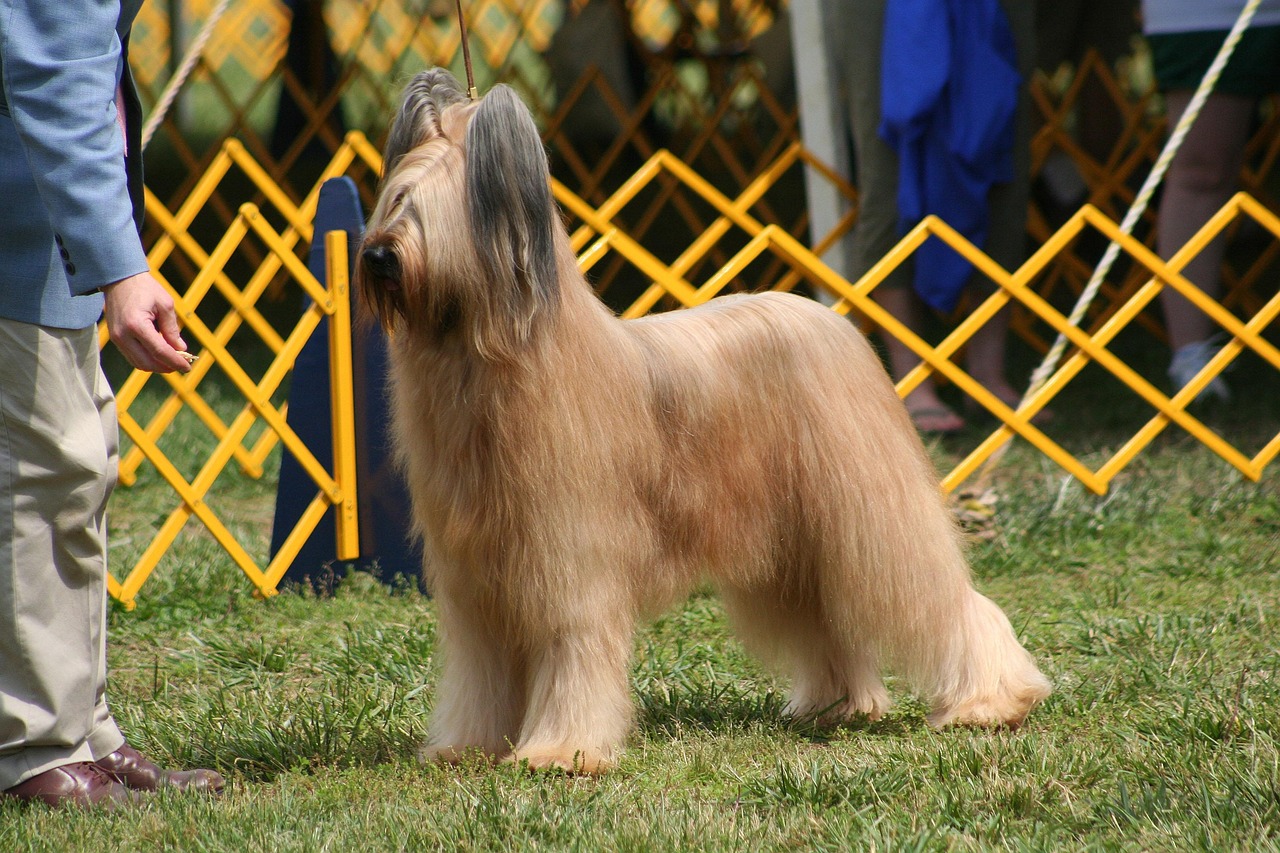

Judging Criteria for Rare and Less Common Breeds
Dog shows celebrated for showcasing rare and lesser-known breeds possess unique judging criteria. Understanding these standards is essential for effective evaluation. Judges consider breed characteristics, which describe the ideal specimen of each rare breed. Additionally, handlers’ presentation skills greatly affect performance in the ring. Judges need to assess grooming and condition, ensuring dogs are healthy and well-cared for. Physical attributes such as structure, movement, and posture are also critical. Evaluating the temperamental traits alongside physical attributes is crucial for awarding top placements. Judges must have extensive knowledge of breed standards to make informed decisions. Some breeds may differ in standards due to geographical traits and breed history. Moreover, judge’s familiarity with breed origins helps contextualize deviations in physicality. This historical perspective enriches evaluations while recognizing variances among breeds within specific categories. Finally, encouraging ethical practices in rare breed presentations is imperative, promoting the integrity of the judging process. Thus, educating judges and breeders ensures that evaluations remain fair and just, recognizing those formidable rarities in dog shows. Ultimately, the judging criteria enhance appreciation for the incredible diversity in dog breeds, fostering respect and admiration.
Consistent communication is vital between handlers and judges during rare breed evaluations. Clear understanding of expectations can improve scores significantly. Handlers must present their dogs effectively, showcasing unique attributes and characteristics that embody breed standards. Judges look for confidence in the dog during their evaluation, so handlers should train dogs thoroughly in presentation skills. Another essential aspect is the dog’s responsiveness to commands and cues; this reflects both the training and the bond between dog and handler. Observing the agility and excitement of the dog during movements is crucial. Judges should note potential behavioral issues, such as aggression or fearfulness, which could impact judging outcomes. It’s equally important to assess whether the dog behaves well with other dogs and people. Comparison to similar breeds may occur, leading to subjective judgments; therefore, judges should avoid biases against rare breeds. Any noted irregularities should be documented for transparency. Constructive feedback afterwards is vital to help handlers improve for future shows. Lastly, hosting seminars and workshops can help judges stay updated on breed standards and improve rare breed showcasing. These continual enhancements contribute significantly to the overall quality and integrity of dog shows featuring rare breeds.
Evaluating Temperament and Behavior
Temperament is pivotal in judging rare breeds effectively at dog shows. Evaluating how a dog interacts with judges and handlers reflects its socialization and training quality. Rare breeds can show distinct behavioral traits that must be recognized alongside physical attributes. Calmness, playfulness, and alertness are essential characteristics contributing to overall assessments. Judges keenly observe behavior while maintaining a neutral atmosphere to ensure real reactions from the dogs. Disruptive behavior or overt shyness can affect scores negatively, so gaining an accurate read on temperament is crucial. Taking notes on behavior creates a comprehensive view for post-judge discussions. Distinctively, judges should not solely rely on initial impressions; they must give ample opportunity for each dog to demonstrate its best self. Instead of rushing, allowing several minutes for dogs to showcase their temperament often yields better assessments. Keeping files on behavioral trends offers insights into rare breeds. For instance, certain breeds might be prone to anxiety or hyperactivity, which influences training approaches. Appropriately evaluating these traits builds an enriching experience for both exhibitors and spectators at the show. Ultimately, highlighting temperament furthers understanding and appreciation for these captivating rare breeds.
Physical health and condition play significant roles in dog show judging for rare breeds. Judges should meticulously assess overall health indicators such as skin condition, coat quality, dental health, and body condition. Rare breeds may have specific predispositions to health issues; thus, robust knowledge of fitness standards is required. For instance, some breeds may suffer from hereditary issues that affect mobility and temperament. Consequently, presenting a healthy dog should be a priority for any handler aiming for success. Grooming is imperative in demonstrating a dog’s physical attributes and can influence a judge’s impression. Dogs should enter the ring freshly groomed, enhancing their natural appearance. Judges appreciate seeing dogs that have been well-cared for, displaying vitality and alertness. Further, attention to foot health, particularly in unique breeds, cannot be overstated; judges often inspect feet meticulously for any signs of neglect or restraining issues. Handlers should be prepared to discuss their dog’s health status openly, as transparency fosters trust during evaluations. A dog’s physical health reflects the overall quality of breed care, showcasing responsible breeding practices within the dog community. Educating all involved about health importance becomes essential for preserving rare breeds and enriching dog shows.
Special Considerations for Rare Breeds
Judging rare breeds comes with unique challenges that aren’t present with more common breeds. These challenges often require judges to adjust their evaluations based on rarity and genetic diversity factors. First, understanding each breed’s specific challenges can lead to more informed decisions. Judges should seek resources or information from breed clubs specializing in rare breeds. Many rare breeds have smaller populations which can lead to a diverse range of traits; recognizing these variations is crucial for proper assessment. Judges must maintain an open mind and focus on the essence of breed standards, promoting rather than discouraging diversity. It’s essential for judges to share insights with breeders, encouraging responsible breeding practices to preserve these breeds adequately. Moreover, introducing standardized handlers’ practices for individuals showing rare breeds helps in making conventions fairer. Networking among judges allows for sharing of experiences, bettering evaluation techniques. Engaging in discussions within the judging community fosters awareness about the intricacies involved in rare breed organizations. This continual learning contributes positively to the broader understanding and acceptance of rare breeds in dog shows while ensuring fair representation.
Judges also need to promote ethical breeding practices for rare breeds to thrive within the dog show landscape. Transparency is essential to avoid breeding solely for profit, as this behaviors jeopardizes the health and genetic diversity of a breed. Judges should encourage evaluations of progeny from all available sires and dams, ensuring a diverse gene pool. Additionally, they should penalize handlers attempting deceitful practices, such as misrepresenting breed standards or falsifying health clearances. Promoting responsible breeding ensures healthier populations, minimizing genetic disorders within these breeds. Developing a collaborative ethos among breeders, judges, and handlers can enhance the overall integrity of dog shows. Workshops can provide crucial knowledge about common health issues affecting rare breeds and how to spot them during evaluations. This collaborative effort produces a stronger community invested in preserving and promoting lesser-known breeds. Judges may also share tips on ethical breeding practices while recognizing responsible breeders with accolades. Highlighting these practices cultivates enthusiasm for rare breeds in dog shows, ultimately leading to increased participation. When education and ethics become intertwined within dog shows, it secures a sustainable future for rare breeds and supports their continued celebration.
Conclusion and Future Perspectives
In conclusion, judging criteria for rare and less common breeds play a pivotal role in dog shows, ensuring fairness and integrity throughout the process. By considering temperament, health, and presentation, judges can elevate their assessments to honor these unique breeds adequately. Educational opportunities and adherence to breed standards contribute significantly to improving these dog shows. Continuous dialogue among judges, handlers, and breed organizations enriches the entire dog show experience, offering deepened understanding of rare breeds. This evolving conversation creates transparency and accountability with evaluation processes, fostering an appreciation for rare breeds. Future dog shows should prioritize ethical considerations and health education, promoting responsible and sustainable breeding practices to safeguard rare breeds. Moreover, leveraging platforms for discussions and future planning allows judges to stay updated with any changes in breed standards and trends. This type of agility in learning ensures judges can adapt their approaches, continuously improving the dog show experience for rare breeds. Promoting exceptional understanding of evaluation criteria and breed standards increases acceptability and quality in the community. Ultimately, investing in these areas guarantees the celebration of rare breeds today and into the future.