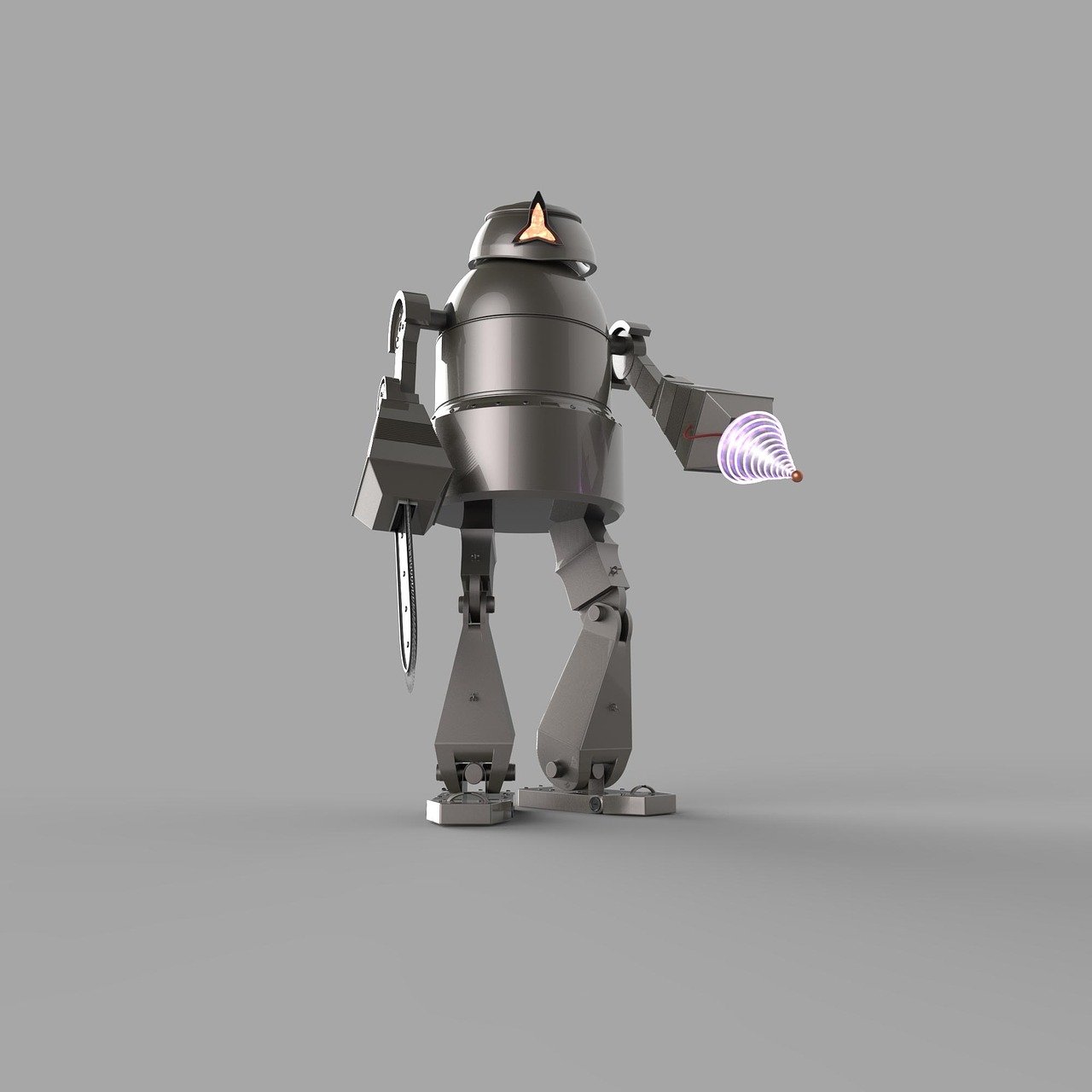

Robotics-Assisted Training for Cats: The Next Big Thing?
The world of cats is evolving rapidly, especially with the introduction of innovative technologies. As pet owners seek ways to enhance their cats’ lives, robotics-assisted training is becoming a prominent trend. This advancement leverages cutting-edge technology to provide engaging and effective training for feline companions. Robotics offers unique opportunities in shaping behaviors and improving interactions. These techniques often incorporate interactive devices designed to pique a cat’s curiosity and encourage participation. The use of robotics in training presents several advantages over traditional methods. Not only does it cater to a cat’s natural instincts, but it also promotes exercise and mental stimulation. Robotics can track a cat’s progress through sensors, providing owners with valuable feedback and helping to tailor training programs. Furthermore, as technology advances, the affordability and accessibility of these tools are expected to improve. However, concerns regarding the potential over-reliance on technology must also be addressed. Balancing the use of robotics with personal engagement is crucial to ensure the emotional needs of cats are adequately met. Innovations in robotics could revolutionize the way we train and bond with our cats.
The integration of robotics in cat sports training raises intriguing possibilities for the future. By incorporating smart devices or even automated play equipment, owners can create customized experiences that cater to the specific behavioral patterns of their cats. This technology can enhance the entertainment factor while also focusing on skill development, agility, and fitness in cats. Robots used in training can serve dual purposes, offering exercise and mental stimulation, both essential for a cat’s well-being. Additionally, robotics-assisted training can allow pet owners to engage remotely with their cats when they are away from home. Monitoring activities through mobile applications could greatly improve the owner’s ability to stay connected with their pets. Such connectivity reinforces the bond between cat and owner, even at long distances. As these technologies further evolve, we can expect to see interactive toys that adjust difficulty levels automatically, ensuring that training remains challenging yet achievable for cats of different ages and skill levels. Embracing this imaginative approach to training aligns well with shifting attitudes towards pet care. Focusing on enhancing the quality of life brings new insights into how cats perceive their environment.
The Benefits of Robotics-Assisted Training
The benefits of utilizing robotics in training cats are substantial and multi-faceted. Firstly, engagement tends to increase significantly when cats interact with automated systems, leading to improved training outcomes. Cats are naturally curious creatures, and robotic devices can stimulate this curiosity, making training sessions more enjoyable for them. By incorporating technology, cats may also feel less stressed, as they can learn at their own pace, without the pressure of human expectations. Moreover, robotics can help in keeping track of a cat’s health metrics. Features like calorie counting, activity monitoring, and even behavioral assessments can provide vital insights for owners regarding their cat’s physical and emotional health. In addition, such devices can create a platform for social interactions among pets. Many robotic systems can be integrated into community platforms where pet owners share progress, tips, and experiences. This fosters more profound connections within local pet enthusiast communities. Unifying technology with training not only modernizes the approach but also promotes healthy pet lifestyles while enriching human-pet relationships, resulting in happier, more adaptable cats.
Despite its advantages, the use of robotics for cat training does present some challenges. One of the primary concerns is the potential for cats to become overly reliant on mechanical systems for stimulation and exercise. This reliance may reduce the importance of human interaction, which is crucial for fostering strong emotional bonds. In order to prevent this, owners should balance robotic training with traditional playtime and interaction. A holistic approach ensures that cats develop socially and emotionally while still benefiting from technological advancements. Additionally, owners must be aware of the costs associated with investing in robotics-assisted training tools. Prices of sophisticated training devices can be high, raising concerns about accessibility for all pet owners. Efforts should be made to ensure that innovative technologies are available at a variety of price points, enabling more people to experience these advancements. Nevertheless, as technology becomes more mainstream, we can anticipate a reduction in costs due to competition and advancements. This evolution could lead to an increase in widespread usage, significantly influencing pet care trends and transforming the relationship between cats and their owners.
Looking Ahead: The Future of Cat Sports
As we look towards the future of cat sports, the incorporation of robotics may dramatically change the landscape. Innovations in this field are expected to enhance performance during sporting events and training routines. For example, robotic systems could assist in developing agility or other essential skills required for competitive cat sports. These advancements could even introduce a new set of competitions that emphasize agility and cleverness seen among cats. Moreover, augmented reality could play a vital role in training, combining robotics with virtual environments that mimic competitive scenarios. This interactive training could foster greater adaptability and creativity in sports, allowing pet owners to engage deeply with their cats. Additionally, as more research is conducted on cat behavior and cognition, robotic systems can be tailored to fulfill specific needs. Training that mirrors natural feline behaviors would ensure that sports remain a form of enjoyment rather than a stressful obligation. In conclusion, engaging with robotics opens an exciting realm of possibilities that redefine traditional ideas about pet training and interaction, building a promising future for cats and their owners.
While robotics-assisted training emerges as a promising frontier for cat sports, its success hinges on responsible use. An essential aspect of incorporating technology into training involves ensuring that it complements natural behaviors rather than replacing them. Quality and focus on mental health should remain top priorities alongside performance metrics. Owners must remember that creating a nurturing environment and physical activity must coexist with technological advancements. The reliance on robotic systems should not overshadow the importance of human guidance and empathy. Establishing clear boundaries for the use of these devices ensures that the emotional needs of cats are adequately satisfied. Furthermore, rigorous testing and development of robotics that cater to feline behaviors help secure the best outcomes for pets. Continuous dialogue among pet owners, technologists, and behavioral specialists is vital for producing tools that serve pets effectively. Research and community input can lead to refined functionalities of these systems, ensuring that they fulfill true training goals. Remaining engaged with both the technological and emotional aspects of pet care is critical in fostering happy, well-adjusted cats. The balanced integration of robotics will ultimately shape the growth of cat sports and their training.
Conclusion: Embracing Change in Cat Training
In conclusion, the emerging world of robotics-assisted training is reshaping the future of cat sports and pet care. As technology evolves, its applications extend beyond basic pet needs, influencing the interactions and training methods pet owners adopt. Robotics not only enhances the efficiency of training but also promotes well-being, ensuring that cats can live happier, healthier lives. While concerns exist, when implemented thoughtfully, this technology can coexist with traditional training methodologies to foster engaging and enriching experiences for cats. Cat sports are poised for remarkable growth in popularity, and adapting to innovative methods guarantees that owners can capitalize on the extensive benefits robotics offers. Moving forward, pet owners should embrace these advancements, balancing them with essential aspects of feline care. The key to unlocking the full potential of robotics lies in integration—balancing training and interaction ultimately leads to improved bonding and understanding between owners and cats. By paying attention to emotional needs and addressing concerns, we can ensure that robotics becomes a powerful ally in enhancing the lives of our beloved feline companions, leading to a future rich in playful possibilities.
This journey into the world of cat sports through robotics demonstrates the fantastic possibilities that lie ahead. Robotics-assisted training for cats is not just a passing trend; it reflects a shift in how we understand and connect with our pets. As the scope of technology broadens, it enables pet owners to explore new dimensions of training, enhancing the relationships we share with our feline friends. In a world where personalization and innovation go hand in hand, cats too can leverage the benefits of advanced technology. This exploration provides a fresh perspective on training that can lead to a more profound appreciation of unique cat behaviors. Embracing robotics while ensuring a balance with personal interaction opens the door to cat sports that promise excitement, engagement, and enhanced quality of life. Solving the challenges that arise from introducing robotics in pet care will require collaboration and innovation from researchers, developers, and owners alike. The future of cat sports is undeniably bright, as robotics presents unmatched opportunities for growth and bonding. Our approach in this evolving landscape will define the next era in cat care, creating fresh pathways for interaction, learning, and enjoyment.