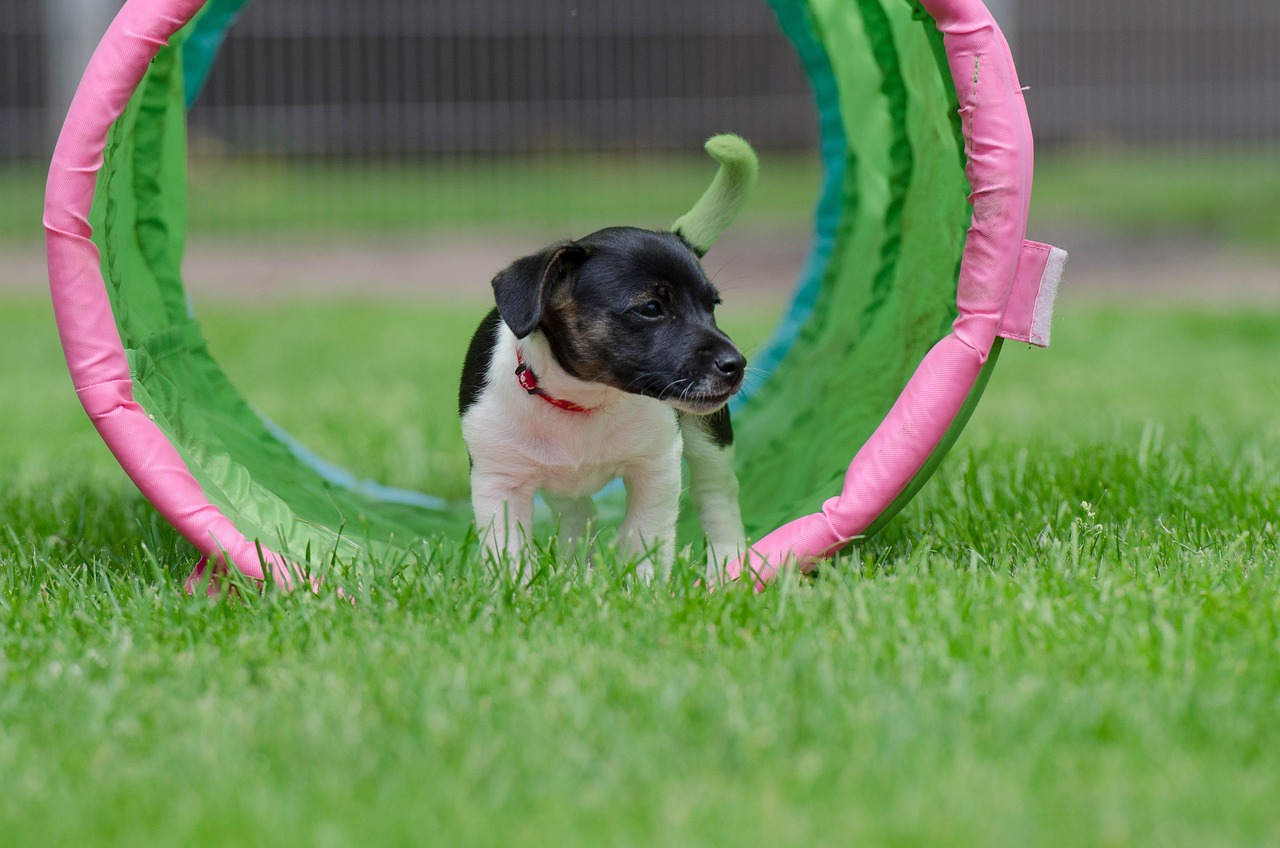

Socialization Milestones Every Puppy Should Reach
Socialization is a vital part of a puppy’s development and helps them grow into well-rounded, confident dogs. Understanding the key milestones in this process can help owners ensure their puppies receive proper socialization experiences. These milestones include introducing your puppy to different environments, people, and other animals. It’s crucial that these experiences are positive, holistic, and encouraging. Puppy owners should start this process as early as possible, ideally between 8 to 16 weeks of age. Engaging with various surfaces, such as grass, concrete, and mud, can foster adaptability in your puppy. Also, not only do physical environments matter, but social interactions do too. For instance, taking your puppy to parks or on walks around the neighborhood allows them to meet new people and pets, strengthening their social skills. You may observe them gaining confidence after each encounter, but remember to make these introductions gradual and controlled, always prioritizing safety. Rewarding your puppy with treats can enhance their enthusiasm during these experiences. Once they adapt to different stimuli, they can develop confidence and solidify good behavior into their temperament and personality.
Early Exposure to Different Sounds
A significant aspect of socialization involves early exposure to a variety of sounds. Thunder, fireworks, vacuums, and honking cars are common noises that can be frightening for a puppy who hasn’t been exposed previously. Introducing these sounds softly in a calm environment can help mitigate fear responses later on. For instance, play sound recordings at low volumes while engaging your puppy in play or feeding, helping them associate pleasant experiences with previously frightening sounds. Creating adult-like environments, by using television speakers at lower volumes while having them playing, can also be beneficial. It’s essential not to overwhelm them but to gradually increase the volume as they become more comfortable. Gradual desensitization helps reduce anxiety and can contribute to a well-adjusted adult dog. Owners should observe their puppy’s reactions to sounds, ensuring that they remain relaxed, responding to their comfort levels as necessary. Incorporating this practice regularly allows puppies to adapt to their environments. This kind of familiarization is a crucial socialization milestone that contributes significantly to their overall temperament and behavior.
Another critical milestone is introducing your puppy to diverse people. Meeting gentle children, with adults teaching and supervising them, can be beneficial for the puppy’s social skills. However, interactions should always be controlled to prevent overwhelming experiences. Always observe how your puppy reacts, allowing them to control their interaction level. Praise your puppy for calm behavior, reinforcing their good instincts about social interactions. Engaging your puppy in positive processes will cultivate their engagement with others. Additionally, puppy training classes can serve as excellent venues for introductions to new people and dogs. They offer a controlled environment for interaction while facilitating the development of social skills. Many classes utilize various techniques to help puppies learn appropriate behavior around other dogs and humans. Following up classroom experiences with structured playdates with known personalities and surroundings can solidifying their skills over the competence spectrum. Owners should ensure that all experiences during these important milestones are positive, and incorporation of treats as rewards can also solidify these interactions. Familiarizing puppies with different scenarios positively will shape them into balanced and well-adjusted adult dogs.
Playtime with Other Dogs
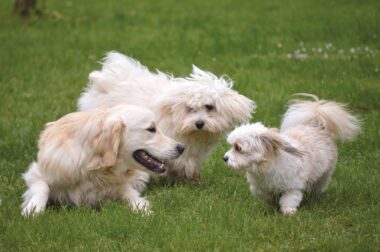
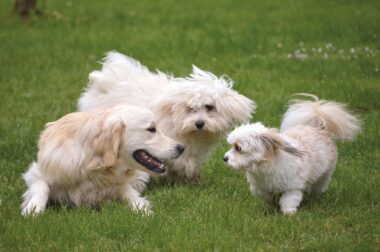
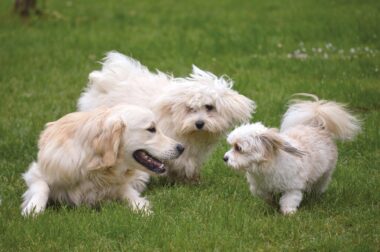
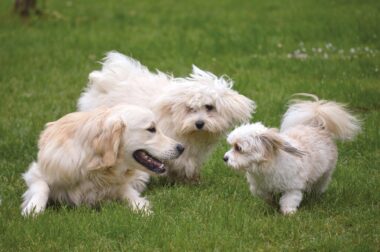
Playtime with other dogs is crucial for your puppy’s social development and offers essential opportunities to learn boundaries and acceptable behaviors. Dog parks and socialization classes are ideal for fostering this experience; the presence of other canine companions promotes learning through play. Here, puppies can engage in natural play and learn from their peers about social norms. Observation is key—watch how your puppy interacts with other dogs, ensuring they observe appropriate social signals like play bows and submissive behaviors. Puppies must not only learn how to properly play but also understand the importance of reading the body language of other dogs. In this regard, supervised interactions are fundamental. You may need to intervene if rough play arises. It’s also essential that your puppy has varied playmates of different sizes and breeds. A diverse range of encounters with dogs helps prevent any fear or aggression toward larger or unfamiliar breeds. Such engagements cultivate positive experiences that leave lasting impressions on a puppy’s behavior. Ultimately, these interactions contribute significantly to their ability to coexist peacefully and harmoniously with fellow canines throughout their lives.
Essentially, an often-overlooked milestone is the exposure to various situations and scenarios. For instance, visiting busy marketplaces, outdoor cafes, or local events can stimulate your puppy’s senses. Each environment presents a different certificate experience that encourages adaptability and resilience. Begin with quieter places and gradually introduce your puppy to busy, bustling environments. Always be attentive to their comfort level and readiness for each new experience. Engaging them positively should include treats or praise to foster trust during these outings; this enhances their confidence further. Walking them on different surfaces, like gravel, tiles, or grass, exposes them to varied textures. This practice will help them become more discerning towards their surroundings. Introducing objects such as umbrellas, bicycles, and strollers during walks can seem daunting to young puppies; however, doing so in a controlled manner allows them to familiarize themselves with new stimuli positively. Frequent exposure creates resilience in a puppy, enabling them to develop a healthy temperament. Remember that the quality of the experiences you provide will significantly influence their behavior and reactions in adulthood. A well-socialized puppy lays foundation for a well-balanced adult dog.
Positive Reinforcement Techniques
Implementing positive reinforcement techniques is pivotal in establishing desired behaviors in puppies during their socialization phases. Training them using treats and praise assures puppies that certain positive behaviors will result in favorable outcomes. This creates a more rewarding experience for them, benefiting both owners and puppies alike. Timing your rewards immediately after desired actions is important; this reinforces the connection between the behavior and the reward. For example, if your puppy greets a new person calmly, immediately reward them with praise or a treat. This approach builds associations that will encourage desirable habits. Techniques like clicker training can assist in making this process more effective—using a clicker to mark good behaviors will further solidify their understanding. Additionally, group training classes frequently employ positive reinforcement techniques, allowing puppies to associate learning with enjoyment while simultaneously promoting socialization. In incorporating these methods, owners nurture their pups while fostering confidence during social scenarios. Regular practice of positive reinforcement leads to a responsive dog equipped to handle various social situations. A balanced combination of training methods and social experiences will seamlessly lead to a well-adjusted adult dog.
A vital socialization milestone is the exposure to different environments, where puppies can learn how to manage their stress and anxiety levels. Providing transitions between the home environment and novel spaces supports their confidence-building journey. Initial visits to friends’ houses or local parks allows for safe exploration. The intention behind this experience is to familiarize them with different scents, sounds, and sights. Each novel environment offers the chance for your puppy to learn to remain calm despite uncertainties. Avoid forcing your puppy into overwhelming settings; instead, ensure they feel comfortable and secure at their own pace. Allowing excursions as rewards after structured training and socialization pays off greatly. Additionally, earlycity trips can be enlightening since many puppies have never traveled. Cars, bus transports, or crowded sidewalks should be introduced progressively. Keep an eye on how they respond to cars and suddenly loud noises, ensuring they associate these outings with positive experiences. Gradually providing stimulating environments fosters adaptability, resulting in a well-rounded dog capable of navigating varied social contexts with confidence in adulthood.