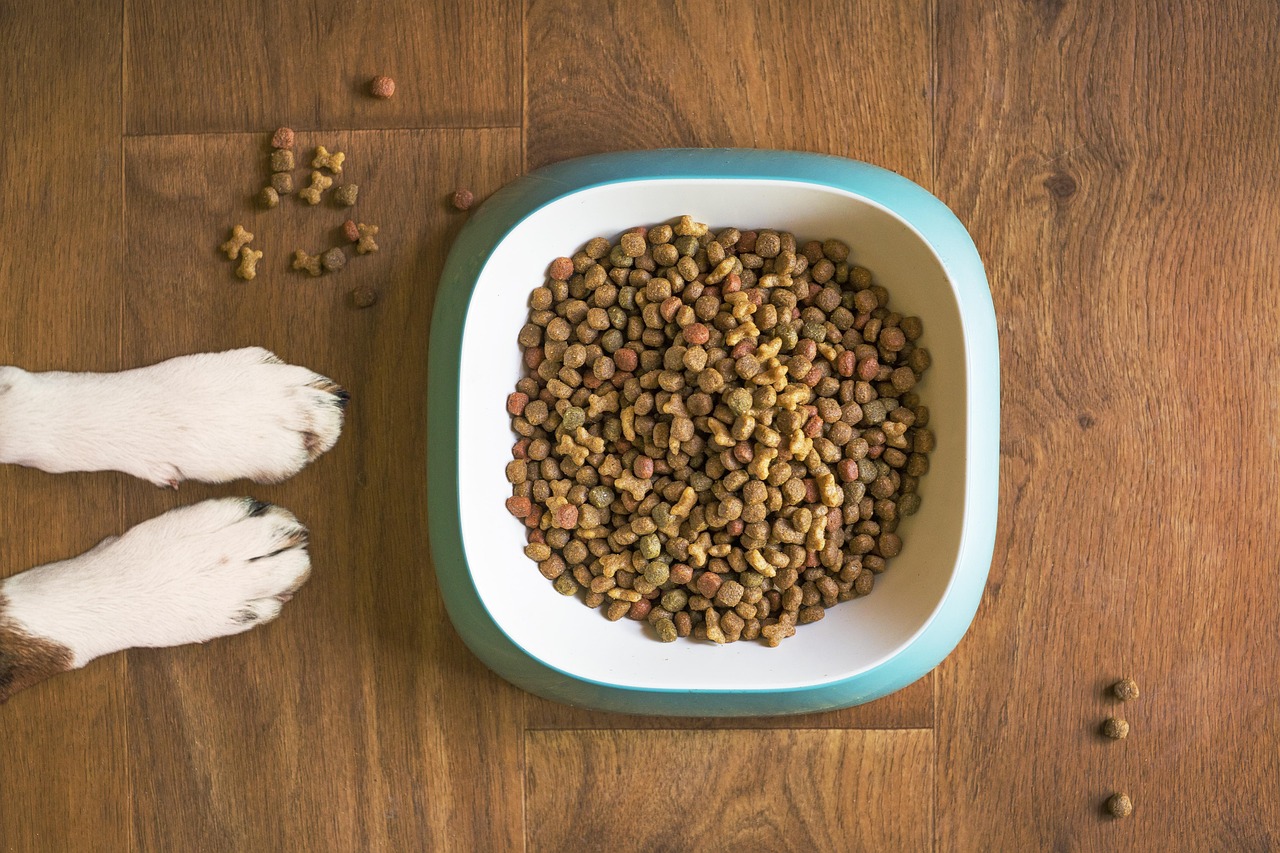

The Impact of Nutrition on Dog Behavior
The relationship between a dog’s nutrition and its behavior is profound yet often overlooked. Dogs that receive a balanced diet are likely to exhibit healthier behavior patterns, while those fed subpar diets may show aggressive tendencies, anxiety, or lethargy. The types of food given can influence energy levels, mood stability, and overall behavioral health. For instance, a high-protein diet can boost energy, while a poor-quality diet high in fillers may lead to irritability. Moreover, behavior issues may stem from food allergies or intolerances. Ensuring your dog doesn’t react poorly to their meals is essential for a harmonious household. It’s advised to observe your dog’s behavior closely after their meals. Do they show signs of stress or discomfort? Such symptoms might indicate a need for diet reevaluation. Consulting with a veterinarian allows dog parents to identify optimal nutrition solutions to support behavioral well-being. Keeping a regular feeding schedule also plays a role in fostering good behavior. Dogs thrive under routines, and knowing when to expect food can reduce anxiety and problematic behaviors that arise from uncertainty.
Dietary changes can enhance positive behaviors in canines significantly. By introducing whole foods rich in omega fatty acids, you may observe a noticeable improvement in a dog’s mood and demeanor. Fatty acids contribute to a shiny coat, but their benefits extend beyond aesthetics by promoting cognitive function and emotional stability. Adopting fresh fruits, vegetables, and high-quality meats into your dog’s diet can not only satisfy their taste buds but also provide necessary vitamins and minerals. These nutrients can help mitigate aggressive tendencies, foster calmness, and reduce hyperactivity, creating an overall balanced disposition. For example, adding sweet potatoes or carrots offers beneficial fiber for digestion while encouraging positive interactions with other dogs and humans. Furthermore, snacks and treats can also play a significant role in behavior reinforcement. Providing healthy treats for good behavior can reinforce positive interactions and stimulate a cheerful mood. Dog trainers and behaviorists often recommend healthy treats for training sessions to encourage good behaviors. The right nutrition plays an imperative role in creating an ideal situation for you and your furry companion, ensuring harmonious interactions and a more rewarding dog-parent experience.
The Importance of Quality Ingredients
Understanding food labels and ingredient lists is crucial for optimizing dog nutrition. Many commercial dog foods claim to be wholesome but contain cheap fillers that provide minimal nutritional value. Ingredients like corn, soy, and artificial preservatives may keep food costs down but can lead to myriad health and behavioral issues. Prioritize high-quality proteins and whole grains packed with nutrients necessary for behavioral improvement. Protein sources such as chicken, fish, or beef are essential for muscle development and stable energy levels. Whole grains provide fiber, ensuring proper digestion, which is often linked to a dog’s psychological well-being. Reading dog food labels is an essential skill for any dog parent; learning to identify harmful ingredients versus beneficial ones can significantly impact your dog’s health. As an informed pet owner, you can select foods designed specifically to enhance your dog’s overall wellbeing. Moreover, consider transitioning your dog gradually to new foods rather than making sudden changes. Following a transition period helps prevent tummy troubles and facilitates the gradual adjustment to healthier nutrition. Maintaining awareness of food recalls and current safety information is vital to prevent accidently feeding a compromised diet.
Moreover, the impact of nutrition on a dog’s behavior is also connected to the timing of meals. Regular feeding schedules contribute to behavioral stability. Dogs are creatures of habit, and having a consistent mealtime establishes a calming routine that can mitigate anxiety. Unguided feeding can lead to hyperactivity or possessiveness over food, creating a challenging behavior scenario for dog parents. The timing of treats, too, influences behavior training. Incorporating treats as rewards during training strengthens positive associations and can improve engagement, achieving desired behaviors quicker. Behavioral experts suggest ensuring that meals occur prior to engaging in active play, as an empty stomach may lead to overexcitement or distractibility. Keeping your dog nourished before exercising promotes a more focused and manageable companion. It is essential to structure your dog’s meal and snack times to support their physical activity levels. Motivating your dog with appropriate feeding structure can lead to better relationships between pet and owner and encourage cooperative behaviors. Thus, proper meal timing combined with optimal nutritional choices unites in ensuring that your dog behaves in an expected or desired manner, making interactions enjoyable.
Role of Supplements
Introducing dietary supplements can further enhance a dog’s nutritional profile, thereby positively influencing behavior. Supplements such as probiotics can support gut health, and since the gut-brain connection is strong, a healthy gut promotes emotional balance and reduces negative behaviors such as aggression or anxiety. Furthermore, calming supplements infused with natural ingredients maintain calmer states in hyperactive dogs. Hardworking parents often find that their furry friends respond better with natural anxiety relief during stressful situations, such as thunderstorms or fireworks. Be sure to consult your veterinarian before introducing any supplements to ensure they meet your dog’s specific health needs. Supplements can also aid in correcting imbalances prompt from poor nutrition. Discussing the most beneficial options can prevent potential adverse effects. Moreover, many commercially available dog foods contain added vitamins and minerals designed to support joint health, cognitive function, and overall vitality. Specially formulated blends combine essential nutrients to enhance a dog’s behavior, focusing on energy levels, focus, and emotional regulation. Choosing the right combination of nutrition and necessary supplements helps ensure dogs lead happy, well-balanced lives, minimizing behavior-related complications.
In addition, incorporating enrichment activities into a dog’s life is vital to complement good nutrition and significantly impacts behavior. Dogs, like humans, need mental stimulation to prevent boredom, which can lead to unwanted behaviors. Daily walks, interactive toys, or engaging games are practical ways to promote both physical and mental health. A mentally challenged dog is more likely to engage positively with their environment and less likely to develop behavioral issues stemming from boredom or lack of stimulation. Incorporating training exercises into daily activities can further deepen the pet-owner bond while reinforcing good behavior. For instance, try teaching new tricks or commands during playtime. This not only mentally stimulates your dog but can also foster a sense of accomplishment. On the nutritional side, ensuring your dog is well-fed before engaging in these activities can yield better responsiveness and engagement. Overall, combining proper nutrition with engaging activities ensures dogs can harness their energy positively, preventing destructive behaviors that arise from excess energy or frustration. Finding the right balance creates an enriching life and a healthy, well-adjusted dog that thrives on companionship and routine.
Conclusion
Ultimately, the connection between nutrition and dog behavior is irrefutable. A dog’s diet significantly influences its overall mood, energy levels, and specific behaviors. As dog parents, understanding this impact unlocks tools to address behavioral concerns and improve their dogs’ lives. Feeding high-quality foods, establishing consistent routines, and incorporating engaging activities are essential strategies to foster a peaceful environment. Conferring with a veterinarian ensures your approach aligns with each dog’s specific needs, optimizing personal growth and behavioral development through careful nutrition. Reinforcing positive behaviors through healthy treats and supplements ultimately leads to stable emotional states and better interactions. Regularly reevaluating your dog’s diet as they age or undergo lifestyle changes is equally important. No one diet fits all; as dogs grow and mature, their nutritional needs evolve. Paying attention to these changes makes a material impact on their behavior management. Nutrition directly shapes a dog’s experience and wellbeing. Making informed choices and nurturing a strong bond fosters happier dogs, enriched by healthier lifestyles. Remember, a well-nourished dog is a happy dog.