
The Role of Grooming in Preventing Fleas and Ticks in Kittens
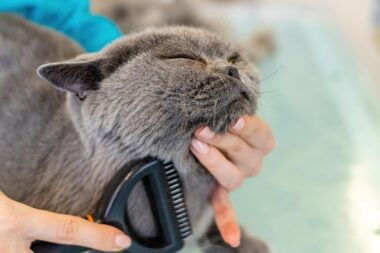
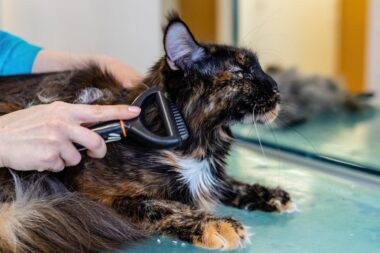
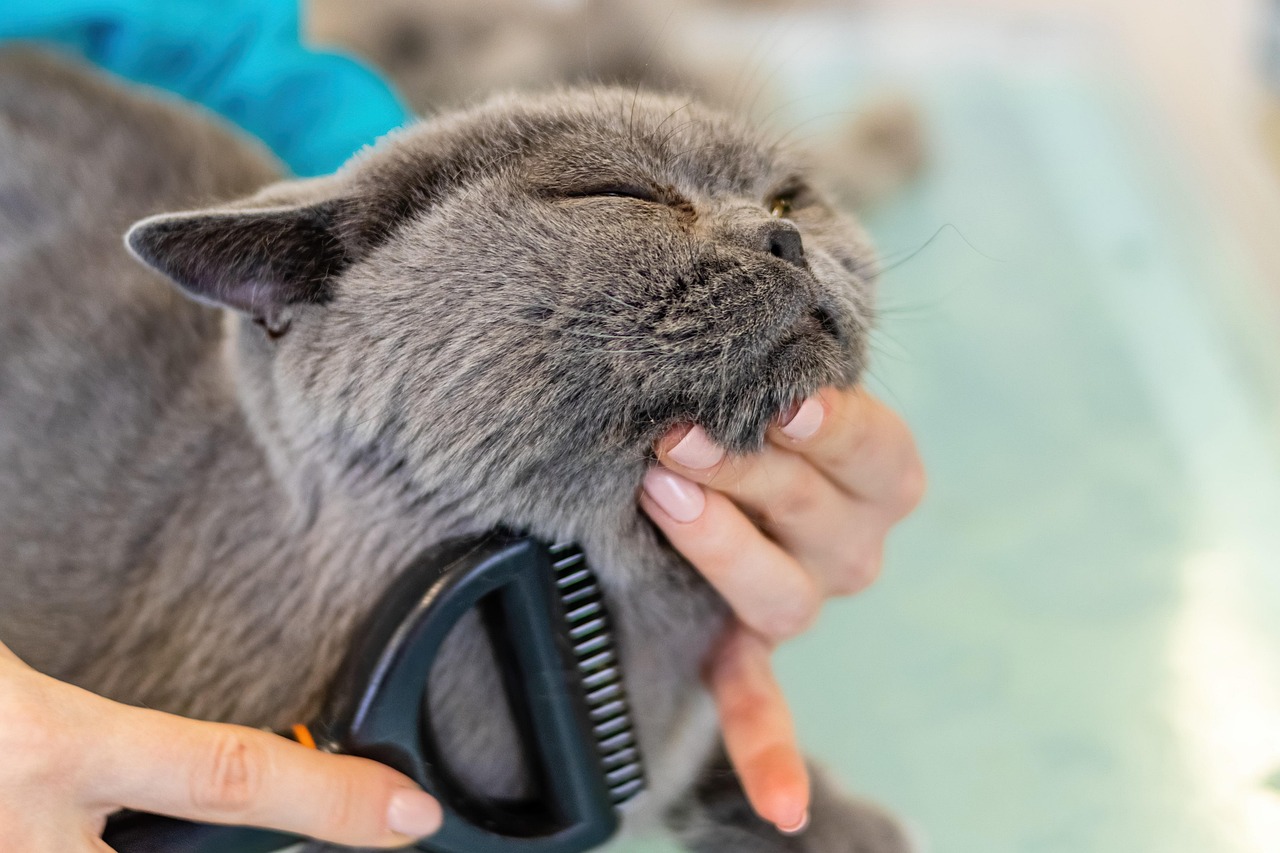
Grooming is essential for maintaining a kitten’s health and wellbeing, particularly in preventing infestations by fleas and ticks. Regular grooming sessions help in early detection of these pests, allowing pet owners to address the problem promptly. It’s important to familiarize your kitten with the grooming process early on. This creates a positive association, making them more cooperative as they grow. Using the right tools is critical; a fine-toothed comb or a flea comb can effectively remove any pests and their eggs. Furthermore, consistent grooming reduces the amount of loose fur around the home, decreasing the chances of flea populations establishing themselves. Your kitten’s skin should be examined during these grooming sessions to check for any signs of irritation or infestation. Early identification of fleas or ticks can prevent more significant health issues down the line. Additionally, grooming can lead to emotional comfort and bonding opportunities between you and your pet. Items like cat brushes or special pet shampoos can improve the experience, making it enjoyable for your kitten and you, while effectively combatting pests.
Knowledge about flea and tick behavior can enhance your grooming efforts. Fleas are typically more prevalent in warmer months, and understanding their lifecycle aids in thorough checks. Fleas lay eggs that can fall off your kitten, leading to infestations in the environment, such as carpets and bedding. By integrating regular grooming with vacuuming and washing your pet’s bedding, you can significantly reduce these insects’ lifecycle. Ticks, on the other hand, may attach to your kitten while they explore outdoors. Grooming effectively checks for ticks that can be removed safely using tweezers or a comb for minimal discomfort to your kitten. Bathe your kitten after potential exposure to remove any pitfalls. Grooming helps ensure that your kitten stays comfortable and free from pests, fostering a healthier environment. Fleas can cause severe itching and skin infections, while ticks pose a risk of diseases such as Lyme disease. It’s not just about aesthetics; it’s a necessary part of ensuring your kitten’s health and comfort while also safeguarding them from serious health complications. Understanding the connection between grooming and pest prevention can lead to a happier, healthier kitten.
Tools for Effective Grooming
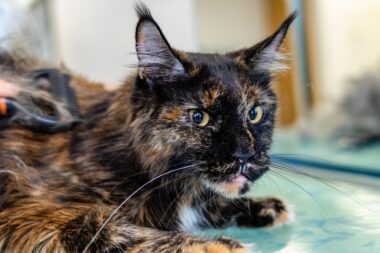
Selecting the proper grooming tools is crucial. Many tools are available that cater specifically to kittens. Brush types vary from slicker brushes, which are effective in removing loose fur, to specialized brushes designed for detangling knots. Combing is essential for catching fleas and ticks, so ensure to use a fine-toothed flea comb. When grooming, consider the kitten’s fur type; long-haired kittens may require more extensive grooming to avoid mats and tangles, while short-haired breeds often need less maintenance. Using organic pet shampoos can further aid in scaring off pests without harmful chemicals. Opt for gentle and non-irritating products to ensure your kitten’s skin remains healthy. Break the grooming process into short sessions to prevent fatigue or anxiety. Each session should last five to ten minutes, gradually building up your kitten’s comfort level with the process. This also serves as a bonding experience, building trust between you and your new feline friend. A well-groomed kitten is often a happier and healthier kitten, contributing to a more enjoyable pet experience overall. These grooming practices are insightful as you aim to protect your kitten from fleas and ticks.
Nutrition plays a significant role in maintaining healthy skin and fur. A well-balanced diet rich in Omega fatty acids can enhance coat condition, making it less hospitable for fleas and ticks to thrive. Regularly consult your veterinarian regarding your kitten’s nutritional needs, ensuring they get the right balance of essential nutrients. When a kitten has healthy skin, it is less likely to attract pests. Remember that grooming is not merely a tool for flea and tick prevention. It provides opportunities for thorough inspections of your kitten’s skin and fur. While grooming, watch for any unusual skin issues that may require veterinary attention. Your kitten’s overall health can often be revealed through their coat. If you notice excessive shedding, skin irritation, or unusual bumps, discuss these findings with a veterinarian. Early detection of any issues can lead to more manageable health resolutions. This level of care provides a reassuring framework for monitoring your kitten’s wellbeing. Emphasizing grooming as part of your kitten’s health routine will yield long-term benefits for their physical and emotional states.
Routine Matters
Consistency is key when it comes to effective grooming practices. Establishing a routine grooming schedule will help the kittens become accustomed to the process, ensuring they are comfortable over time. Incorporate it into your daily playtime or training sessions to create a positive atmosphere around grooming. Scheduling regular grooming sessions will not only aid in flea and tick prevention but will also contribute to their overall hygiene. Regular combing works hand-in-hand with timely baths to ensure that your kitten remains clean and free of harmful pests. Consistency allows you to monitor your kitten’s coat for any changes that may signal health issues. It also promotes bonding and trust-building between you and your pet. On days between grooming, a quick visual check can help you stay ahead of any infestations. If your kitten goes outside often, consider checking them more frequently. Keeping a regular routine will quickly become a habit for both you and your kitten, making flea and tick prevention part of your everyday routine. With time, the process will become seamless and enjoyable for both parties.
Understanding the signs of flea and tick infestations will enhance your grooming efforts. Look for excessive scratching, biting, or discomfort in your kitten. Itchiness can indicate fleas, while ticks have a distinctive feel and can often be embedded in the skin. Fleas tend to leave bite marks and can be visually identified as tiny black specks in your kitten’s fur. Regular grooming practices allow you to check for these signs effectively. If you find fleas, immediate action is critical, as they multiply quickly. Use vet-approved treatments to eliminate the problem while also ensuring safe practices for your kitten’s health. Consider integrating flea preventive products into your grooming routine with guidance from your veterinarian. Regular checks will improve the chances of early detection of flea dirt and ticks, allowing you to act before infestations grow. Actively working to prevent pest problems can contribute significantly to your pet’s comfort level. Understanding their signs will allow you to be proactive rather than reactive. This awareness ultimately leads to a healthier environment for both you and your kitten.
Conclusion: Prioritize Grooming
In conclusion, grooming is a vital aspect of care that directly affects your kitten’s health and happiness. By making it a regular practice, you’re not only enhancing their physical appearance but also significantly decreasing the risk of fleas and ticks. Emphasizing grooming routines ensures that both you and your kitten can build a bond through shared experiences. Moreover, understanding proper techniques and tools for grooming simplifies the process, making it enjoyable. Regular interactions during grooming can open lines of communication, allowing you to be attentive to any changes in your kitten’s behavior and health. Set a schedule for grooming, nutrition, and veterinary check-ups to create a comprehensive approach to your kitten’s care. Look for early signs of fleas or ticks during grooming; early detection prevents major problems later on. With thorough, consistent grooming practices, you set the stage for a long and happy life with your feline friend. Ultimately, prioritizing grooming contributes to a thriving environment where your kitten can play, explore, and grow with confidence, free from the discomfort that pests can cause.
Emphasizing grooming routines ensures that both you and your kitten can build a bond through shared experiences. Moreover, understanding proper techniques and tools for grooming simplifies the process, making it enjoyable. Regular interactions during grooming can open lines of communication, allowing you to be attentive to any changes in your kitten’s behavior and health. Set a schedule for grooming, nutrition, and veterinary check-ups to create a comprehensive approach to your kitten’s care. Look for early signs of fleas or ticks during grooming; early detection prevents major problems later on. With thorough, consistent grooming practices, you set the stage for a long and happy life with your feline friend. Ultimately, prioritizing grooming contributes to a thriving environment where your kitten can play, explore, and grow with confidence, free from the discomfort that pests can cause.