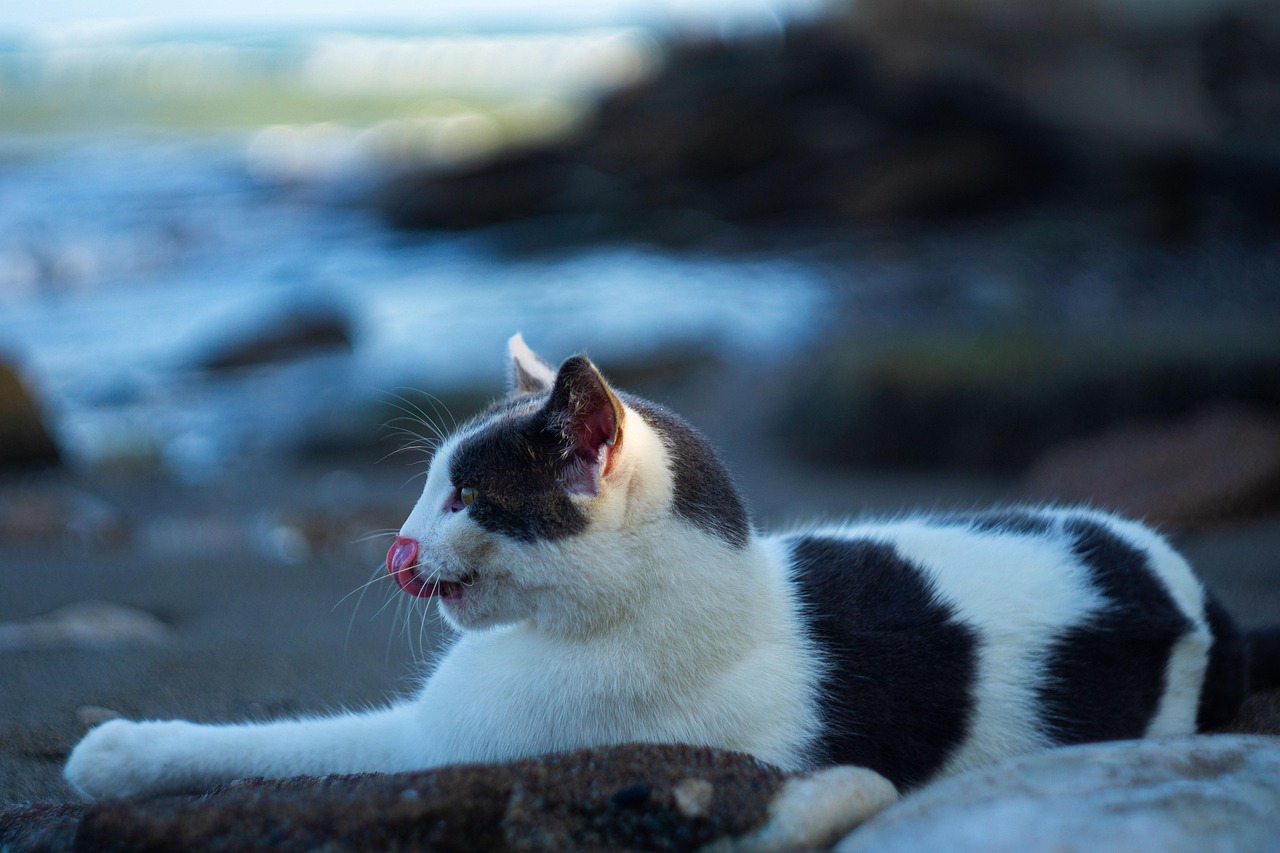

Traveling with Cats: Why the Feline Herpesvirus Vaccine is Important
Traveling with your cats can be a delightful experience, offering memories and companionship. However, it’s crucial to ensure that your feline friend is protected against various health risks, one of which is the feline herpesvirus (FHV). This viral infection is highly contagious and can cause severe respiratory issues in cats. When traveling, your cat may be exposed to new environments where the virus is present. By vaccinating your cat against FHV before embarking on any journeys, you’re safeguarding their health and well-being while providing peace of mind. The vaccine acts as a preventive measure, boosting your cat’s immune system in the face of potential exposure. This becomes particularly vital if you are traveling with multiple cats, as the virus can easily spread among them. Veterinary experts recommend a vaccination schedule that helps maintain immunity levels in your pet. Before traveling, consult with your veterinarian about your cat’s vaccination needs, especially if they haven’t been vaccinated lately. Being proactive is the foundation of responsible pet ownership.
The Feline Herpesvirus vaccine’s importance cannot be overstated; it serves as a long-term protective measure. FHV can lie dormant in a cat’s system, leading to potential outbreaks whenever the cat experiences stress. Traveling inherently introduces stressors, whether it be changes in routine, unfamiliar environments, or different animal interactions. When cats are stressed, their immune systems can weaken, allowing latent viruses to reactivate. This situation can create a perfect storm for health complications, emphasizing the need for vaccination. Vaccinated cats are less likely to contract the virus and more likely to recover quickly if they do. In addition, pet owners can minimize disease transmission risks to other felines. This is particularly critical in shelter situations or boarding facilities, where many cats congregate. The vaccine is typically administered as part of a combination vaccination, ensuring your cat is also protected against other diseases. Scheduling vaccinations well before any predicted travels allows time for their immune system to respond. Thus, responsible vaccination becomes an essential aspect of your overall travel preparation.
Feline Herpesvirus Symptoms to Watch
Understanding the symptoms of feline herpesvirus is crucial for any cat owner. Infected cats may exhibit various signs, including sneezing, coughing, nasal and ocular discharge, and a decrease in appetite. These symptoms can lead to more severe consequences, such as dehydration and further respiratory distress. Recognizing these signs early allows you to seek veterinary care promptly and address any potential complications. It’s essential to remember that stressed cats are more susceptible to contracting the virus. If your cat exhibits any of these symptoms during or shortly after travel, you need to contact your veterinarian immediately. Quick diagnosis and treatment can be critical in mitigating the effects of the virus. In addition to respiratory symptoms, affected cats might also experience conjunctivitis, leading to inflammation of the eyes. It’s important to monitor your cat closely while traveling and upon return. Always maintain communication with your veterinarian, keeping them informed of any changes in behavior or health. By staying vigilant, you can ensure your cat’s wellness and respond effectively to any health challenges that arise.
Travel arrangements may also require ensuring your cat’s restful comfort during transit. Bring along familiar items like blankets or toys, as these can help mitigate stress. Cats find security in familiar scents, which can help to quell anxiety. It’s also advisable to get appropriate carriers that are well-ventilated and spacious enough for your cat to move comfortably. Ensure that the carrier is secure, allowing for safe travel whether by car, plane, or other modes of transportation. When traveling by car, make sure to take frequent breaks and offer your cat a chance to stretch or use the litter box. Hydration is equally critical; provide water during travel, especially on warm days. Plan well in advance, allowing ample time for vaccinations and consultations with your veterinarian. Preparing ensures a positive experience for both you and your pet. Being attentive to your cat’s needs will help them adjust more easily to the change in surroundings. These deliberate efforts significantly contribute to both a healthier travel experience and a reduced risk of health complications.
Choosing the Right Veterinary Care
Selecting a qualified veterinarian is crucial for your cat’s healthcare. Not every vet may specialize in feline care or understand the specific needs of your cat. When considering vaccinations, ensure that your chosen veterinary clinic prioritizes feline health and has experience with vaccinations against common viruses, including FHV. Ask about their protocols regarding feline vaccinations and how they stay updated on the latest research and recommendations. It may also be beneficial to schedule a pre-travel consultation allowing you to discuss any concerns and get tailored advice. A veterinary visit can also help familiarize your cat with the practice before travel. A comfortable environment can minimize anxiety during their appointment when checking vaccination records and discussing upcoming trips. Don’t hesitate to seek recommendations from fellow cat owners or do online research to find a veterinarian who meets your standards. Your choice of veterinary care has implications for your cat’s long-term health and well-being, particularly in the context of traveling. A proactive approach to choosing the right clinic helps ensure a high-quality healthcare experience.
In conclusion, traveling with your cat should be an exciting adventure, not a source of stress. Protecting your feline friend through appropriate vaccinations, particularly the feline herpesvirus vaccine, plays a vital role in ensuring their safety and health. The increasing mobility of pets necessitates a thorough understanding of prevention and care. As you prepare for travel, discussing vaccination options with your veterinarian becomes a critical step. They can monitor your cat’s vaccinations, provide necessary shots, and advise you on how to manage stress during your journey. Furthermore, being aware of symptoms associated with FHV allows you to act quickly should your cat show any signs of illness after traveling. Make sure to create a supportive environment that aids in decreasing anxiety for your pet. Remember that traveling introduces new risks, making preemptive measures like vaccinations indispensable. Ultimately, with the appropriate preparations and care, you and your feline companion can enjoy memorable trips together. Who knows? Traveling may even strengthen the bond between you and your beloved pet, creating shared moments that last a lifetime.
Final Tips for Stress-Free Travel
Before embarking on your travels, consider creating a checklist for your cat’s needs, ensuring that nothing is overlooked. Include items like food, water, medication, leash, and grooming supplies. Make sure you have updated identification information on your cat, such as a collar with tags or a microchip. The latter can be invaluable in case your cat gets lost during the travel experience. When making travel plans, it’s essential to research pet-friendly accommodations and locations. Many hotels and vacation rentals are accommodating to pets, but confirming policies in advance can save you from potential stress later. Create a comfortable space for your cat at your destination, mirroring their home environment as much as possible. Keeping their routines intact—meal times and play times—will help ease their transition. Additionally, avoid introducing stressors by ensuring that new environments are safe and secure. Taking these measures promotes a smoother travel experience. Remember to cherish the moments with your feline companion and keep their well-being a priority throughout each adventure.
Additional Resources and Support
To further prepare for traveling with your cat, accessing resources can significantly enhance your experience. Numerous online platforms offer advice on traveling with pets, including forums and blogs where you can connect with fellow cat owners. Their shared experiences and tips can provide invaluable insights into managing travel challenges. Additionally, consider joining local or online cat owner groups. Such groups often facilitate discussions on best practices and allow you to seek help when unsure about travel plans. Many organizations provide advice on animal health and safety, especially during transit. Several veterinary apps can assist with tracking vaccine schedules for pet owners on the go. Logging visits, reminders for vaccines, or managing medication can streamline the process for busy individuals. Don’t forget to periodically review your travel plans, making necessary adjustments as new information or considerations arise. Preparation can prevent emergencies and unexpected issues from distracting you during the journey. Understanding that each cat may react differently allows you to tailor your approach accordingly. The culmination of preparation and support ensures a harmonious travel experience for you and your beloved feline pet.