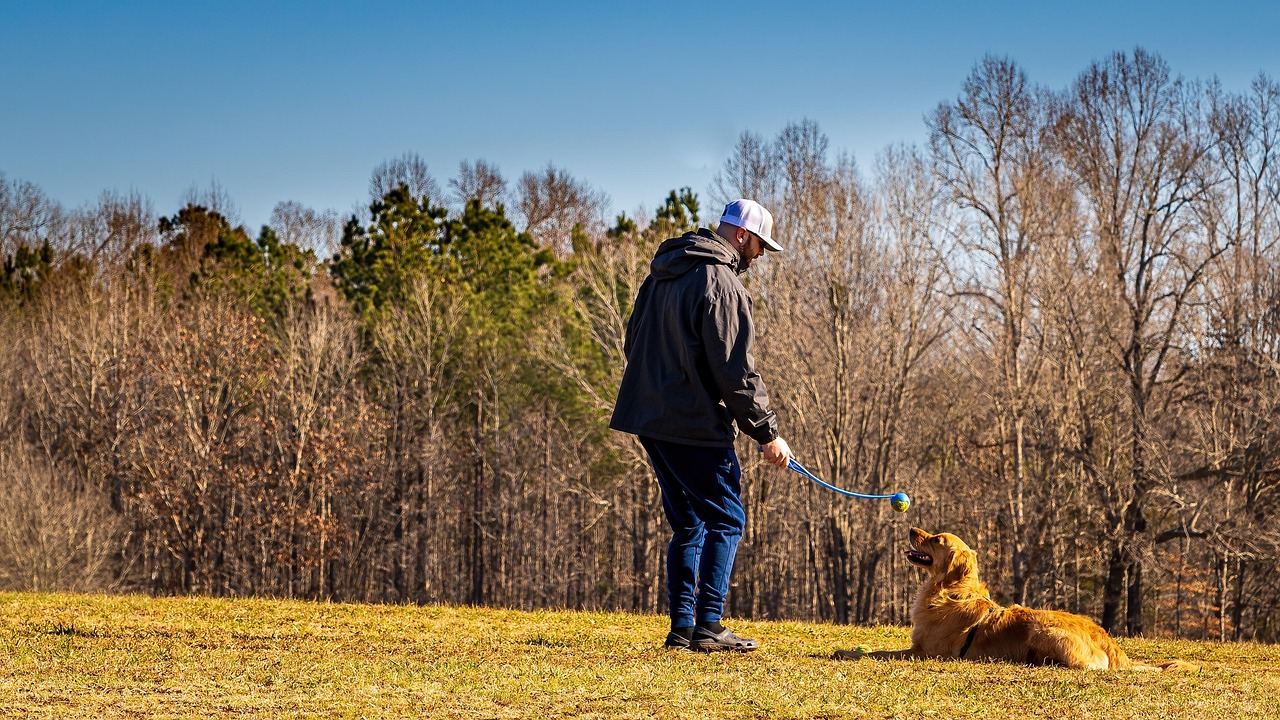

Using Positive Reinforcement to Teach Your Dog to Sit
The “Sit” command is often one of the first and most essential commands to teach a dog. Using positive reinforcement can significantly enhance the training process, creating a bond between you and your pet. This approach encourages desired behaviors through rewards, leading to effective and enjoyable learning experiences. Start by choosing a quiet, distraction-free environment for your training sessions. Your dog will need to focus on you and the task at hand, ensuring that they understand what is expected. Begin with a treat in your hand, allowing your dog to see it but not yet receive it. As they engage with you and develop interest, gradually move your hand upwards, causing your dog’s head to follow the treat naturally. This movement encourages your dog to lower their rear, which is the essence of the “Sit” command. Remember to maintain a cheerful tone and show excitement when they finally sit, as positive reinforcement is all about making your dog feel good about their accomplishments. Consistency and patience are key ingredients in achieving successful results while training your canine friend.
After introducing the treat and observing your dog’s movements, it’s essential to continue reinforcing the command. Once your dog successfully sits, promptly give them the treat, praising them enthusiastically. Your dog should associate sitting with receiving a reward, which solidifies the positive reinforcement method. Repetition is crucial, so practice this process several times during each session. Ideally, you want to keep sessions short, around 5 to 10 minutes, to maintain your dog’s attention. Frequent breaks are important to keep both you and your dog engaged and avoid frustration. Try to incorporate short training periods throughout your day, avoiding overwhelming your dog. You can also practice the “Sit” command in different locations once they have a grasp on it at home. This variability helps your dog become more adaptable and learn to obey the command regardless of the surroundings. Transitioning the command from a familiar environment to various locations will prepare your dog for situations that may arise outside, such as in parks or during outings. Consistent practice lays a strong foundation for what follows in the training process.
While training, adjusting your techniques according to your dog’s progress is crucial. If your dog seems confused or hesitant, it might be beneficial to return to the basics. Sometimes, breaking down the command further can be helpful, as each dog learns at their own pace. Implementing hand signals along with verbal commands can enhance understanding. Pairing visual cues with vocal commands allows your dog to grasp the connections better. For instance, as you say “Sit,” show your dog an open hand moving upward; this visual reinforcement can help your dog recognize what you want them to do. Additionally, keep an assortment of treats handy to maintain their interest throughout training sessions. Using different types of treats can help keep things exciting for your dog. Assess what your dog seems most motivated by and use that during training. Some dogs may respond better to treats, while others might enjoy praise, toys, or petting. Observing your dog’s reactions can guide you in choosing the most effective rewards for them. Fine-tuning your techniques boosts overall success in teaching commands.
Common Challenges When Teaching the Sit Command
As you embark on teaching your dog the “Sit” command, you may encounter a few common challenges. One common difficulty is that dogs may not respond appropriately or at all. This could stem from distractions, lack of interest, or even the environment being too stimulating. If your dog is distracted, show patience and try moving to a quieter location. It’s also important to pay attention to the timing of your rewards; immediate rewards following the correct behavior reinforce better learning. If there’s a lapse between the behavior and the reward, your dog may not connect their action with the reward. Be mindful that all dogs have different learning styles, so making adjustments to suit your dog’s needs is necessary. If your dog consistently fails to understand the command, consider seeking help from a professional trainer or classes that specialize in positive reinforcement techniques. Finally, ensure that training remains a fun experience for both you and your dog, as maintaining a positive atmosphere is critical for effective learning.
It’s essential to avoid using negative reinforcement or punishment during training. These tactics can impede the trust and bond you’ve been establishing with your pet. Training should always be a positive experience, as dogs learn best in a supportive environment. Instead of punishment for not sitting, reinforce the behavior you want by rewarding successes and minimizing corrections. Make training enjoyable by integrating praise and a cheerful tone, transforming the process into a game your dog eagerly looks forward to. Additionally, regularly practicing the “Sit” command can help reinforce learning and solidify the behavior in various situations. Integrate the command into everyday interactions, asking your dog to sit before feeding, going for walks, or when greeting guests. This frequent practice can establish a routine and create reliable habits in your dog’s behavior. Always strive to keep sessions light-hearted, encouraging your dog to enjoy learning new commands rather than feeling pressured or stressed. This will contribute to a well-behaved dog and foster a loving relationship.
Adding Variety and Progression
Once your dog has mastered the basic “Sit” command, consider enhancing your training routine by introducing variety. Adding more commands or tricks like “Stay” or “Come” can help stimulate their learning process and keep things engaging. To ensure your dog stays interested, mix in different training exercises and environments. For instance, practice the “Sit” command outside or during walks where distractions abound, challenging your dog to maintain their focus. Gradually increase the duration of the command by asking your dog to sit for longer periods before rewarding them. This technique builds patience and self-control, increasing their ability to concentrate on your commands while distractions are present. Additionally, consider incorporating training games, where your dog is rewarded for good behavior in more dynamic scenarios. Training should always be fun, so creativity in how you teach commands ensures that your dog stays mentally active and stimulated. Using props, toys, or playing hide and seek with treats can add an element of surprise, making the training process enjoyable. This variety contributes to progress and enhances overall learning.
Celebrating milestones in your dog’s progress is another important aspect of positive reinforcement training. Acknowledge each stage of learning to keep motivation high for both you and your dog. It’s helpful to recognize when your dog sits correctly on cue. Celebrate these victories, no matter how small, with joy and treats, reinforcing their behavior. Allowing your dog to feel a sense of accomplishment will deepen their trust in you as a leader. Consistently reassess their progress and adapt your training methods to match their evolving skills. Continuously making adjustments allows for growth and improvement. Remain patient during the learning process, as consistency is vital for long-term success. Don’t be discouraged if they don’t grasp commands immediately; every dog learns at their own speed. Remember that building a solid command foundation takes time and dedication. The more positive experiences your dog has, the more likely they will succeed in mastering the “Sit” command and others. In time, your dog will thrive from the positive reinforcement approach leading to a well-mannered companion.
In conclusion, teaching your dog to sit with positive reinforcement can enhance your relationship while promoting effective learning habits. The combination of patience, consistent practice, and an enjoyable atmosphere contributes to your dog succeeding in mastering this essential command. Recognize the importance of a positive environment and how it impacts your dog’s willingness to learn. As your dog benefits from positive reinforcement, be sure to continue the practice of other commands, strengthening their overall obedience skills. Ensure to celebrate your dog’s journey and milestones together while consistently adapting your training methods to meet their evolving needs. Building trust and developing a solid bond during training will serve as the foundation of a fulfilling partnership between you and your furry friend. Over time, the skills learned will enhance not only their responses to commands but also strengthen companionship. Embrace the journey ahead; with dedication and joyful learning, teaching the “Sit” command will be merely the beginning of a well-behaved, happy dog, eager to please you in their unique way. Your privilege as a dog owner is the bond you create together through training and mutual experiences.