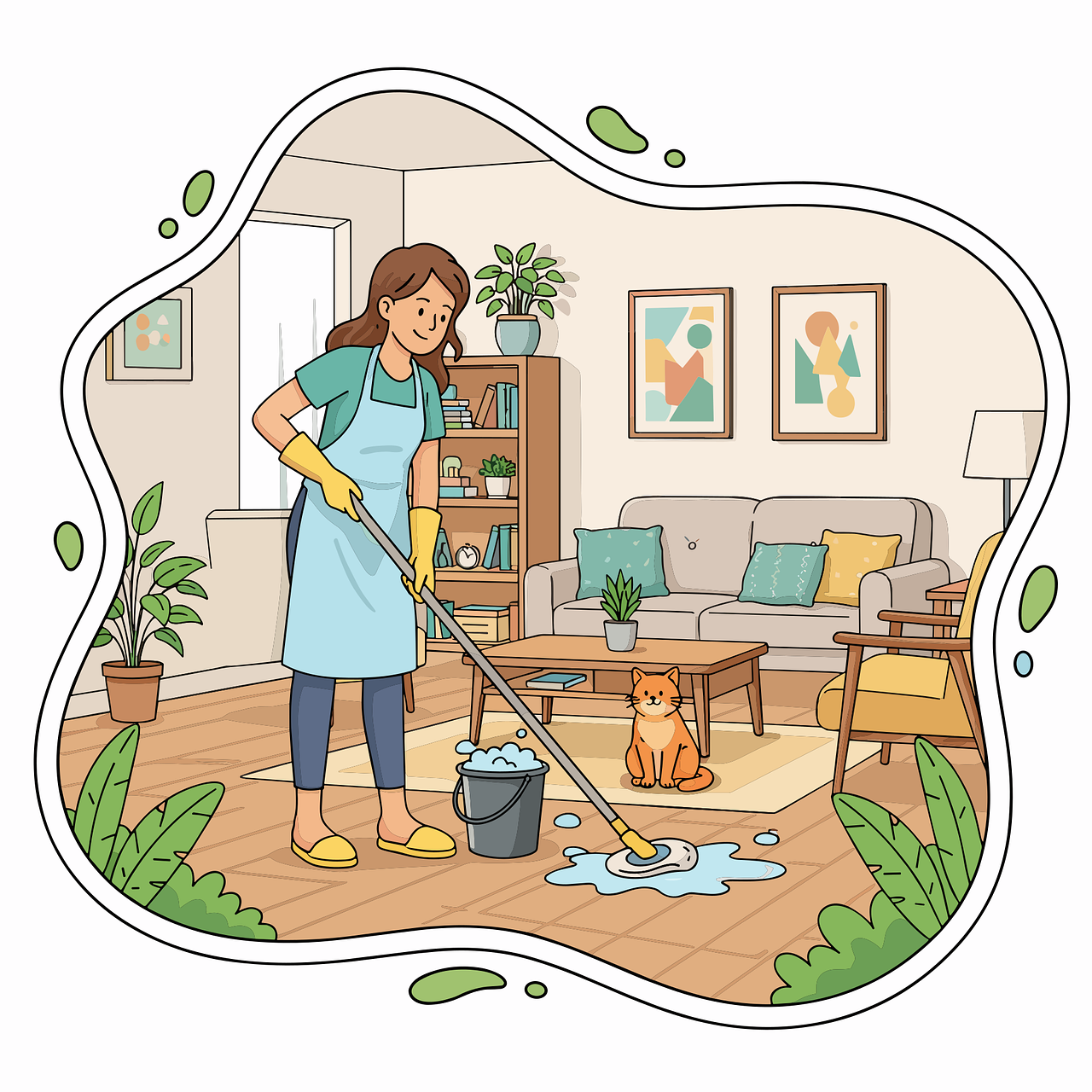

Creating a Cleaning Schedule for Cat Houses
Maintaining a clean and healthy environment for your cat involves implementing a structured cleaning schedule. Cats are clean creatures, and their homes should reflect that. Begin by identifying all areas in your home where your cat sleeps, eats, and roams. Create a checklist to monitor these. A cleaning schedule should outline daily, weekly, and monthly tasks tailored to ensure the utmost hygiene. Daily tasks might include cleaning the litter box, wiping down food bowls, and vacuuming fur-covered areas. Weekly tasks could involve laundry of bedding, thorough dusting of shelves, and scrubbing surfaces where your cat frequents. Monthly evaluations should highlight deeper cleans such as window washing and inspecting for hidden messes. Ensure materials used for cleaning are safe for pets by doing proper research. Some cleaning products are toxic to cats and can lead to serious health issues. Downey pet-centric options can also enhance efficiency. Incorporate your cat’s behavior into the schedule. For example, plan cleanings while your feline friend enjoys playtime or napping. This keeps the environment welcoming while reducing the chances of stress for them.
Consistency is critical in maintaining a hygienic space for both cats and owners. Set specific days of the week for each cleaning task to facilitate organization. For instance, designate Mondays for litter box maintenance and Fridays for changing the bedding. Utilizing calendars or app reminders can help in sticking strictly to the schedule. With a systematic approach, you can devote a particular time during these specified days to complete the assigned chores efficiently. This will lead to better habits overall while creating a pleasant atmosphere in your home. Additionally, organize cleaning supplies close to their respective areas for a quicker setup process. Ensure that every cleaning product used is safe, reducing the risk of allergic reactions or poisoning. Consider eco-friendly options, as many brands now offer pet-safe solutions that can’t harm furry friends. Additionally, having a clean environment is not just for aesthetics but contributes immeasurably to your pet’s well-being. An organized cleaning schedule promotes a healthier respiratory system for both your pets and human family members. Animals are prone to certain allergens that can easily accumulate in their habitats, making regular schedules even more essential to their health.
Daily Tasks in Cleaning Cat Houses
Daily cleaning tasks are the foundation of a successful cleaning regimen for cat houses. The most important task is the litter box cleaning, which must be done at least once daily to keep the area odor-free and hygienic. Cat litter can quickly become a breeding ground for bacteria. Therefore, scoop waste and clumps from the litter box every day. Be sure to replace wet or soiled litter frequently. Additionally, cats are prone to allergies, making them sensitive to dust and dander. Vacuuming areas where your cat spends time daily, including sofas, carpets, or cat trees, is critical. Furthermore, wipe down food dishes each day with warm, soapy water to prevent food contamination and ensure freshness. If your cat uses a water fountain, change the water daily and clean it regularly. Also, brush your cat to reduce fur and dander accumulation, which can help mitigate any potential allergies or respiratory problems. By consistently following these daily tasks, you can create a clean and welcoming environment for your furry friend. These small steps significantly contribute to your cat’s overall comfort and health.
In addition to daily tasks, consider maintaining a tidy area where your cat sleeps or relaxes. Regular changes of bedding and towels can prevent odors and further improve your feline’s comfort. Most cats love their various cozy spots scattered around the house. Should those spots include a cat bed, it’s best to remove blankets and cushions weekly for washing. If your cat’s bed is removable, be sure to vacuum or shake it out often to get rid of unwanted hair or debris that collects. Regularly inspect and clean cat toys as well. They can accumulate dust, dirt, and germs. Use suitable cleansing solutions for toys made of different materials like rubber, cloth, or plastic. Bio-friendly options exist that can also ensure safety. Some toys may be safe to throw in the dishwasher. Additionally, examine scratching posts or cat trees for damage or dirt. Rotate toys regularly as well while cleaning to keep your cat engaged in playful activities. With a stable routine for these aspects, your cat can live happily in a clean environment with minimized risks associated with dirt and germs.
Weekly Cleaning Schedule
The weekly cleaning schedule plays an important role in maintaining a fresh cat house. Beyond daily tasks, conducting thorough cleaning once a week ensures that areas tend to any hidden dirt and bacteria buildup. Designate one day a week as your cleaning day, and take a systematic approach to cleaning your home. Start by organizing and decluttering spaces your cat frequents to make deeper cleaning possible. This is also a great opportunity to assess the condition of toys and other accessories that your cat interacts with daily. Give your cat’s environment a thorough vacuuming, and consider using a steam cleaner on carpets and rugs. Additionally, wash any slipcovers or blankets that are often used. Furniture surfaces, especially in spaces where your cat lounges, should be dusted and disinfected. Use pet-safe cleaning products to wipe down bookshelves or shelves and to prevent any harmful residues. Also, consider cleaning the windows in spaces where your cat loves to observe outside. The extra cleanliness promotes a healthier lifestyle for your pet while enhancing overall aesthetics in your living surroundings.
Incorporating a check-in process during the weekly clean can enhance your cleaning routine. Take the time to inspect every area thoroughly to ensure nothing is dirty or in disrepair. This is a good moment to clean under furniture or tight corners where dust and dirt tend to gather. Pay attention to cat litter that might have gone astray outside the litter box. Setting a timer can also serve as a motivation to complete these tasks systematically. Ensuring that you dedicated a specific time to clean can promote rapid and efficient cleaning. Some tasks may appear tedious, but if incorporated into your routine effectively, the process can become seamless over time. To help better engage your cats, involve them in cleaning time by playing or giving them little treats. This minimizes any stress they may feel throughout the process. By ensuring a clean, structured environment, you are providing a safer area while also promoting your feline’s mental stimulation. A regular deep clean leads to a healthier home for you and your beloved felines.
Monthly Cleaning Considerations
A comprehensive cleaning schedule should include essential monthly tasks. Set aside time to tackle deep cleaning tasks that require more focus and effort than typical weekly chores. Consider the nooks and crannies around the house, including places where litter can accumulate, such as along baseboards or behind appliances. Mopping hard floors twice monthly can help cut down on buildup and reduce allergens in your living space. Pay extra attention to areas where your cat lays, such as near windows or by heating vents. Each month, ensure that all litter box areas are sanitized and remain odor-free. This goes beyond just emptying and wiping but should include chemical-free disinfectants. Changing and inspecting your cat’s scratching posts is essential, as wear and tear can harbor dust or germs. Also, this is the time to launder any carriers or accessories. Don’t forget to inspect toys for potential damages that could harm your pet. Furthermore, opt to rotate or replace toys at least once a month for freshness. Implementing an organized effort toward this monthly cleaning routine helps in maintaining the overall quality of life for your feline friends.
By adhering to a well-structured cleaning schedule for your cat’s house, you are setting a standard for both cleanliness and safety within your home. A clean environment provides numerous benefits to you and your pets. Comprehensive cleaning reduces the buildup of allergens and irritants in your pet’s area, promoting better respiratory health. Furthermore, maintaining cleanliness can positively impact your cat’s behavior and overall well-being. Regular routines can lead to lower stress levels for both pet and owner while also creating a space where your cats can flourish in their daily lives. Always ensure your cat’s room feels inviting with refreshing aromas and clean surfaces. Remember that incorporating your pets into the cleaning process can foster positive interactions during chores. Regular cleaning helps build a bond between owners and their animals while teaching them to thrive in tidy surroundings. Investing time for a clean cat house ensures a longer, happier existence together. A peaceful and clean space enhances mutual happiness, leading to a balanced life shared with your beloved cats. Fostering cleanliness enhances your pet’s longevity and contributes to a healthy, loving environment for both of you.