
Creating Safe Outdoor Spaces to Minimize Parasite Exposure
Creating safe outdoor spaces for cats involves significantly reducing parasite exposure. Outdoor environments often harbor various parasites that pose health risks to both cats and their owners. By implementing simple measures, we can create a cleaner, safer, and healthier play area for our feline friends. Proper planning and awareness are crucial in achieving this goal. First, consider the type of foliage and grass present, as certain plants can attract pests. Regular maintenance, such as mowing and removing debris, can minimize these risks. It also helps to create an environment that discourages rodents, which are alternate hosts for parasites. Identifying and laying down boundaries can also be beneficial. Installing safe fencing can prevent outside animals from entering the space. Additionally, you can delineate safe zones for cats to play, ensuring they are kept protected. Another effective method is to use parasite controls, such as topical treatments or collars. For those who are unsure about specific pesticide applications, consulting with a veterinarian or pest control professional can provide customized recommendations.
Incorporating designated litter areas within outdoor spaces can enhance hygiene and minimize contamination. Cats are naturally prone to marking their territory, leading to potential health risks if not managed properly. When providing litter boxes, ensure they are kept clean and situated away from areas where food and water are stored. This helps to prevent the transmission of parasites from fecal matter. Additionally, using natural litter options can minimize chemical exposure to your pet. Avoid using commercial litters that may contain harmful additives. It’s essential to provide adequate shelter and shade for your cats, allowing them to rest and escape the elements. Creating a shaded area not only encourages outdoor play but also ensures your feline stays cool and comfortable. Implementing a barrier, such as a sun shade or a small structure, can provide ideal resting spots. Furthermore, introducing engaging elements like scratching posts and climbing frames can stimulate exercise. Not only will this help keep your cat active and healthy, but it will also create a fun environment that encourages exploration while limiting parasite exposure.
Regular Health Checkups
Regular health checkups for your cats are crucial for controlling parasites effectively. Keeping cats up to date on vaccinations and parasite prevention medications is not only safe but highly recommended. Regular veterinary visits can help identify potential health issues before they escalate. During these examinations, a veterinarian can recommend specific parasite control treatments suited for your pet’s needs. Consult your vet about flea and tick preventatives, as seasonal changes can influence parasite prevalence. At home, be proactive in monitoring your cat for signs of parasites. Symptoms include excessive scratching, hair loss, or unusual grooming behaviors. If you observe any signs, seek veterinary advice immediately. Treatment is typically more effective when initiated early. If your cat goes outdoors, consider checking them frequently for visual signs, such as fleas or ticks, especially when coming back home. Maintaining a treatment schedule is essential to ensure continuous protection. With these measures in place, you not only safeguard your cat’s health but also minimize the risk of parasites spreading to your home environment.
Providing educational resources for the community is an essential aspect of successfully managing cat parasite control. Awareness campaigns can inform pet owners about the risks associated with common parasites. This knowledge empowers cat owners to be proactive rather than reactive regarding their cat’s health. Distributing brochures and providing tips on recognizing symptoms can greatly enhance public awareness. Collaborating with local veterinary clinics can further strengthen these initiatives, offering free community workshops or information sessions. These events can serve as platforms for pet owners to ask questions about parasite control and prevention methods. Building online resources, such as informative websites or social media groups, can also allow for continuous engagement and support among community members. Additionally, creating a network of support can help pet owners exchange helpful tips and local veterinarian recommendations. Encouraging responsible pet ownership can ultimately contribute to a healthier community. It’s critical that the message of parasite prevention spreads beyond individual households. Working together, we can create safer environments for our cats, which contributes to overall public health safety and wellness.
Community Engagement
Community engagement plays a pivotal role in successful parasite control strategies for outdoor spaces. Building a sense of community among cat owners can lead to shared resources and knowledge for better parasite management. Organizing local events, such as cat wellness days, allows owners to come together while educating themselves on preventive care. During these events, consider offering free parasite checks or consultations with veterinarians. Additionally, hosting training sessions on improving outdoor environments for cats can aid owners in understanding best practices. Activities such as clean-up days encourage neighbors to collaborate in making community spaces safer for cats. Collectively removing trash and debris can reduce areas where parasites thrive. Sharing experiences on best practices can also promote an informed cat-owning culture. Establishing a neighborhood watch program for stray cats enables residents to look out for each other’s pets, offering additional security. Through these engagements, a supportive network can be created, ensuring that every cat lives in a parasite-free environment. When communities work together, it promotes healthier habitats and fosters a sense of responsibility for the safety of all pets.
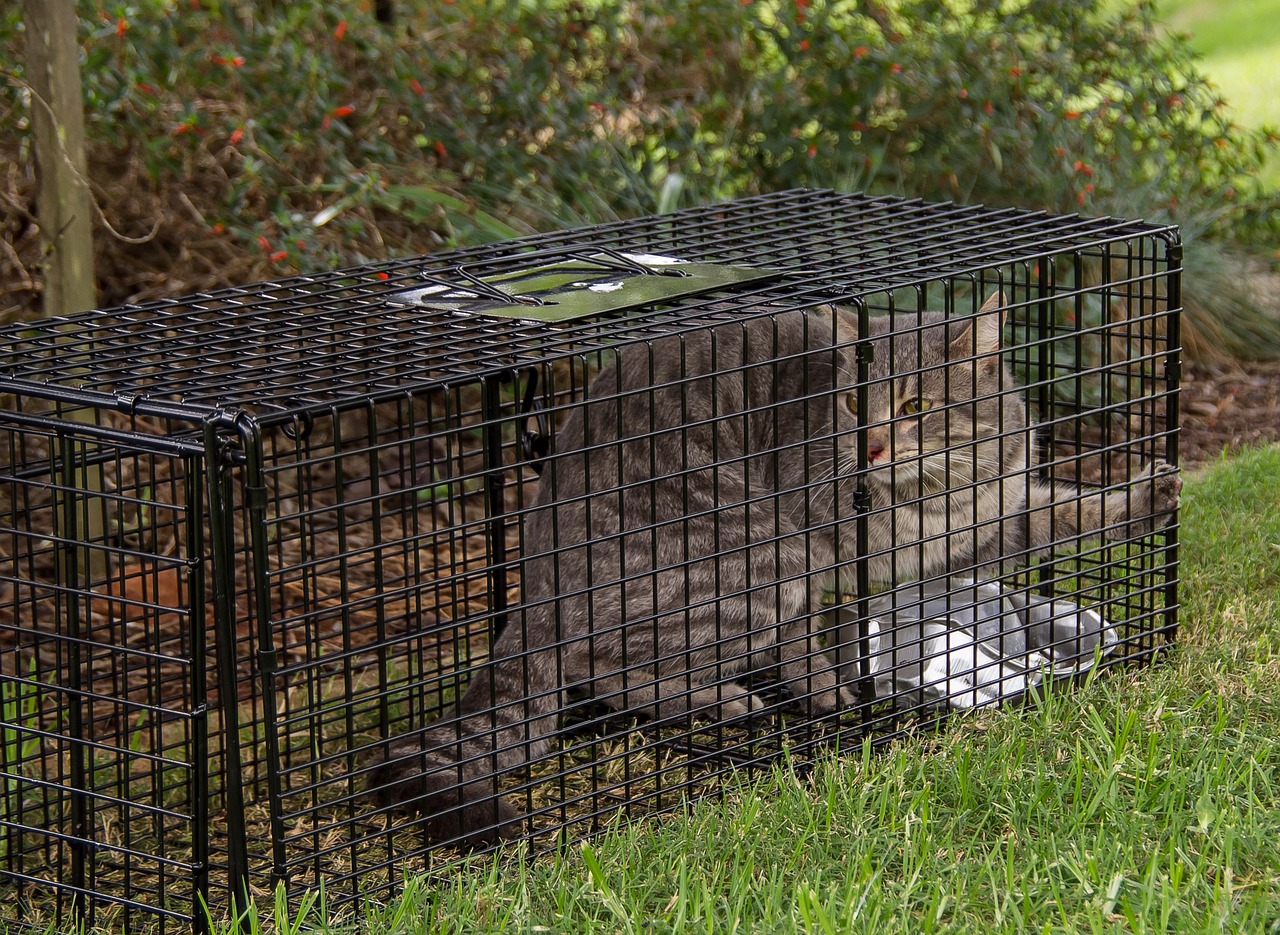
Promoting the importance of spaying and neutering can effectively reduce overpopulation in outdoor cat communities. Encouraging responsible breeding and adoption practices can significantly impact parasite control. Overcrowded populations increase the likelihood of parasite spread, making prevention measures even more vital. Collaborating with local shelters and rescue organizations can lead to spay and neuter clinics, which offer these services at low or no cost. Providing information on the benefits of spaying and neutering can resonate with community members. Addressing myths and misconceptions about these procedures can lead to a more informed community. Educational initiatives emphasizing the critical importance of controlling pet populations can cultivate long-term solutions. The result is a healthier community of cats with controlled reproduction rates. Furthermore, supporting local initiatives focusing on stray cat management can enhance community awareness. The impact of a united effort in controlling outdoor cat populations can be profound. Voicing the advantages of having fewer stray cats encourages people to take action towards responsible ownership. Ultimately, these strategies significantly contribute to enhanced parasite control, benefiting both cats and their owners alike.
Natural Parasite Control Methods
Exploring natural parasite control methods can enhance the safety of outdoor spaces for cats. These options often pose fewer risks than synthetic chemicals, making them preferable for cat owners looking for alternatives. Utilizing essential oils, such as lavender or peppermint, can naturally deter pests from entering your outdoor space. However, always ensure that these oils are diluted appropriately and safe for cats, as some can be toxic. Beneficial insects, such as ladybugs, can help control harmful pest populations without endangering your cats. Creating a garden where these insects thrive promotes an eco-friendly environment. Regularly maintaining cleanliness in outdoor areas is vital, as debris and food scraps can attract unwanted pests. Monitor waste disposal carefully and utilize secure containers. Additionally, planting specific herbs, such as basil or rosemary, can naturally repel insects. Encourage your community to consider these methods, which align with environmentally responsible practices. Share your findings and experiences with others looking for alternative solutions. By implementing these natural parasite control strategies, we can create healthier outdoor environments for our beloved cats.
Monitoring the impact of these strategies involves regular input from community members. Establishing feedback channels can help gather insights on effectiveness and areas for improvement. Surveys and community meetings can serve as platforms for pet owners to share their experiences with cat parasite control measures. By analyzing gathered data, awareness campaigns can be tweaked and improved over time. It’s always beneficial to assess how local practices align with recent best practices in parasite control. Moreover, sharing success stories can motivate others to join the battle against parasites. Highlighting engaged individuals and successful initiatives encourages community involvement. Collaboration with local animal welfare organizations can create a unified approach to managing cat health in outdoor spaces. Combining resources and efforts can enhance education and increase the reach of community campaigns. Ultimately, the goal is to foster a collective commitment to providing safer outdoor spaces for cats. These initiatives not only protect our pets and contribute to a healthier community but also enrich the connections between cat owners, ensuring that everyone shares their knowledge for ongoing success in parasite management.