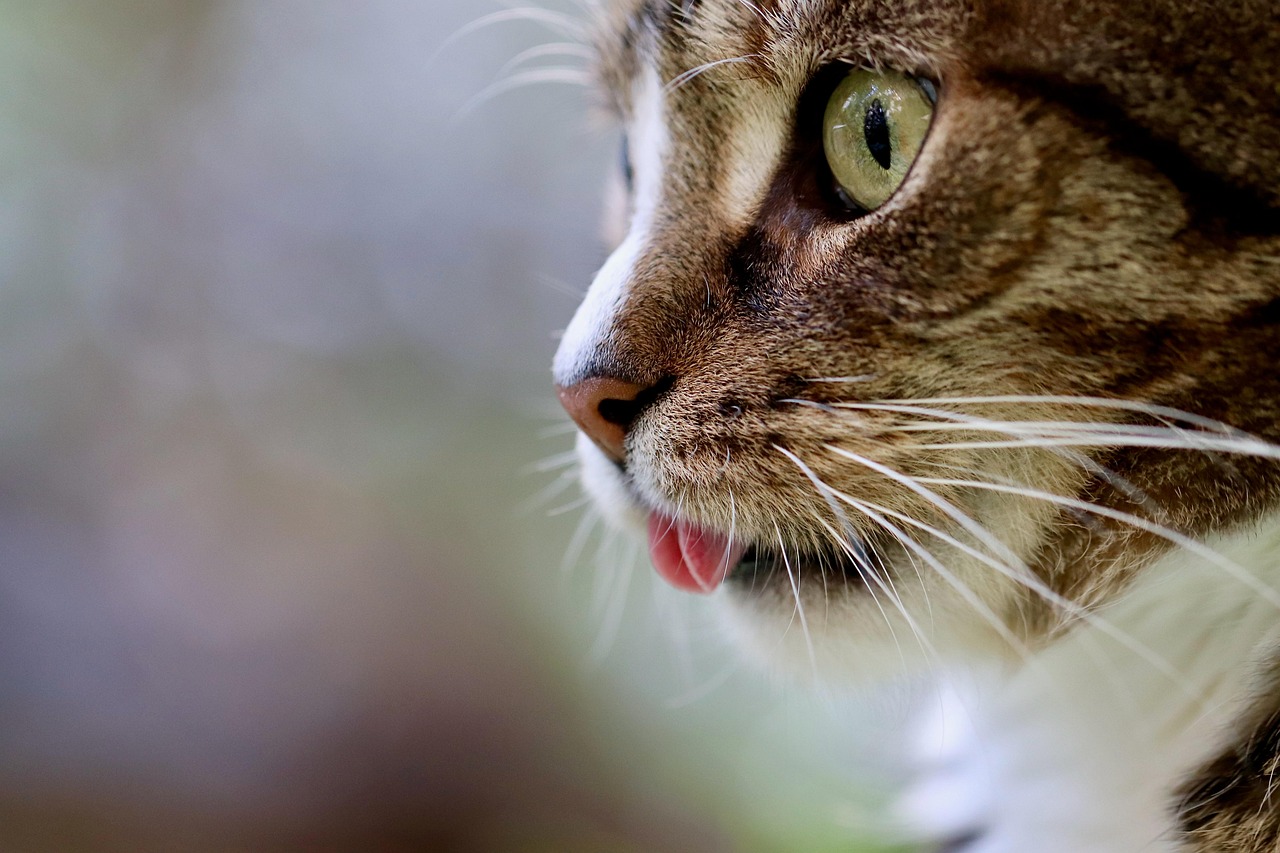

DIY Solutions for Cat Training at Home
House training cats requires patience, consistency, and understanding of feline behavior. To begin, ensure your home is cat-friendly, making necessary adjustments to accommodate your new companion. Consider creating a designated space with litter boxes, scratching posts, and comfortable bedding. You can encourage your cat to recognize these areas by placing treats nearby. Additionally, always supervise your cat during free time in your home. Using positive reinforcement techniques can also help your cat learn desired behaviors. Praise, petting, or a small treat when your cat uses the litter box can reinforce their actions. Over time, your cat will associate the positive rewards with their good behavior. Another option to explore is bell training. Attach a small bell to the door, so each time your cat needs your attention, the sound prompts you to help. Gradually, your cat will learn to associate the bell with going outside or accessing their litter box. Be sure to also understand your cat’s signals when they need to relieve themselves. Recognizing these cues can facilitate quicker house training and result in a happier, well-adjusted feline companion.
Another effective method for house training involves establishing a routine. Cats thrive on consistency; hence, feeding and playtime should occur at the same times each day. When your cat knows what to expect, it will be easier for them to learn when to go to the bathroom. Ensure you provide ample opportunities for them to access their litter box at these scheduled times. Regular interaction helps create a bond with your cat, aiding in their comfort within the household. Monitor their current habits and adjust the training plans as necessary. If your cat has an accident, avoid scolding them, as this can cause fear and anxiety. Instead, clean the mess with an enzymatic cleaner designed to eliminate odors, which prevents repetition. It’s essential to make the litter box an inviting area to encourage consistent use. Experiment with different litter types to discover your cat’s preferences. Some cats prefer clumping litter, while others might favor crystal or biodegradable litter. Remember, house training takes time, and each cat is unique. With patience, your commitment will foster successful outcomes in your cat’s litter box habits.
Utilizing Training Tools
Various tools help enhance the cat training experience, making it easier for you and your feline friend. One popular choice is clicker training, which utilizes a small device that makes clicking sounds to mark desired behaviors. The click signifies correct actions such as using the litter box or scratching the designated post. Pair the click with a treat to create positive reinforcement. As your cat becomes familiar with the clicker, you can gradually reduce treat rewards while still using the click sound to acknowledge good behavior. For environmental adjustments, consider using barriers to create a safe zone specifically for your cat. This designated space can help control their activities during training sessions. You can also utilize interactive toys to engage your cat’s natural instincts and help curb unwanted behaviors caused by boredom or excess energy. Puzzle toys, in particular, stimulate a cat’s mind, keeping them occupied while reinforcing positive play. Always ensure the tools used promote a mental and emotional connection with your cat. Effective training tools not only ease the process but also enhance the bond you share with your furry companion over time.
Alongside practical tools, using various training methods can benefit your cat’s learning process. For example, setting up a reward system of small treats promotes desirable behavior while maintaining engagement. When you notice your cat using the litter box correctly, a short moment of praise or reward motivates them to repeat such actions. Conversely, avoid punishing negative behavior, as many cats learn best in a positive environment. Instead, redirect unwanted actions toward acceptable alternatives, such as scratching posts instead of furniture. Another vital aspect of house training involves understanding your cat’s natural instincts. Cats are instinctually clean animals; thus, keeping litter boxes clean is critical in fostering their habits. Ensure you scoop them daily and fully clean them weekly to maintain an attractive space for your cat. Adjust the number of litter boxes based on your cat’s preferences and your home size. Generally, providing one box per cat plus an extra is a good rule. This availability encourages consistent use, further enhancing the success of your house training efforts over time.
Socialization and Playtime
Socialization is crucial in fostering a well-adjusted and trained cat. By introducing your cat to different people, environments, and other pets gradually, you can reduce anxiety and promote positive behaviors. Begin with short sessions in safe settings and gradually increase exposure as your pet becomes more comfortable. Playtime is essential for both physical and mental stimulation, leading to positive behaviors while house training your cat. Engaging in interactive play, using toys like feather wands or laser pointers, builds strong bonds between you and your cat. This not only encourages a positive emotional connection but also helps burn off excess energy, reducing the likelihood of unwanted behaviors. Consider setting aside time daily for play, reinforcing affectionate behaviors while allowing your cat to explore their instincts. Additionally, provide a variety of toys that cater to your cat’s natural hunting and pouncing instincts. Rotating toys will keep your cat engaged, maintaining their focus and reducing boredom during training sessions. Remember, a happy, engaged cat learns quicker, leading to effective house training solutions.
As you navigate the journey of house training your cat, consistency remains essential for lasting results. Daily routines can reinforce learned behaviors while providing comfort to your pet. If you encounter setbacks, remain patient and adaptable, as each cat learns differently. Understanding your cat’s unique personality will help develop personalized training strategies that cater to their specific needs. Collaborate with a veterinarian if unusual behaviors persist or training becomes challenging, as they can provide additional resources or expert advice. Additionally, joining local or online cat training groups can offer support and shared experiences among pet owners facing similar challenges. These communities offer valuable insights, tips, and encouragement throughout your training journey. Sharing your experiences enables you to learn from others who understand the hurdles often faced during house training. Incorporating training sessions into your cat’s daily routine reinforces their learning and strengthens your relationship. With time, dedication, and understanding, you will successfully train your cat and foster calmness within your home environment, transforming their behavior for a joyful coexistence.
Conclusion
In conclusion, effective house training of cats revolves around patience, consistency, and a nurturing environment. The techniques and tips mentioned above aim to create a joyful experience for both you and your cat while promoting the desired behaviors that lead to success. Establishing routines, utilizing appropriate tools, and applying positive reinforcement all play vital roles in shaping a cat’s habits. Remember that each cat is unique, and what works for one may not suffice for another. Therefore, taking the time to understand your cat’s individual needs is essential in developing a strong bond while achieving successful house training. Prioritize their well-being and create a supportive training atmosphere for lasting results. Embrace the journey, celebrate small victories, and remain positive through the ups and downs of training. Engaging with fellow cat owners can help foster a sense of community and provide invaluable support throughout the process. Remember, your ultimate goal is to create a harmonious environment where both cats and humans can thrive together, ensuring years of joy and companionship with your feline friend.
These combined elements create an effective strategy for house training cats, bringing about improvement in both their behavior and your overall relationship with them. Enjoy the process, and remember that fostering a well-trained cat takes time, dedication, and love.