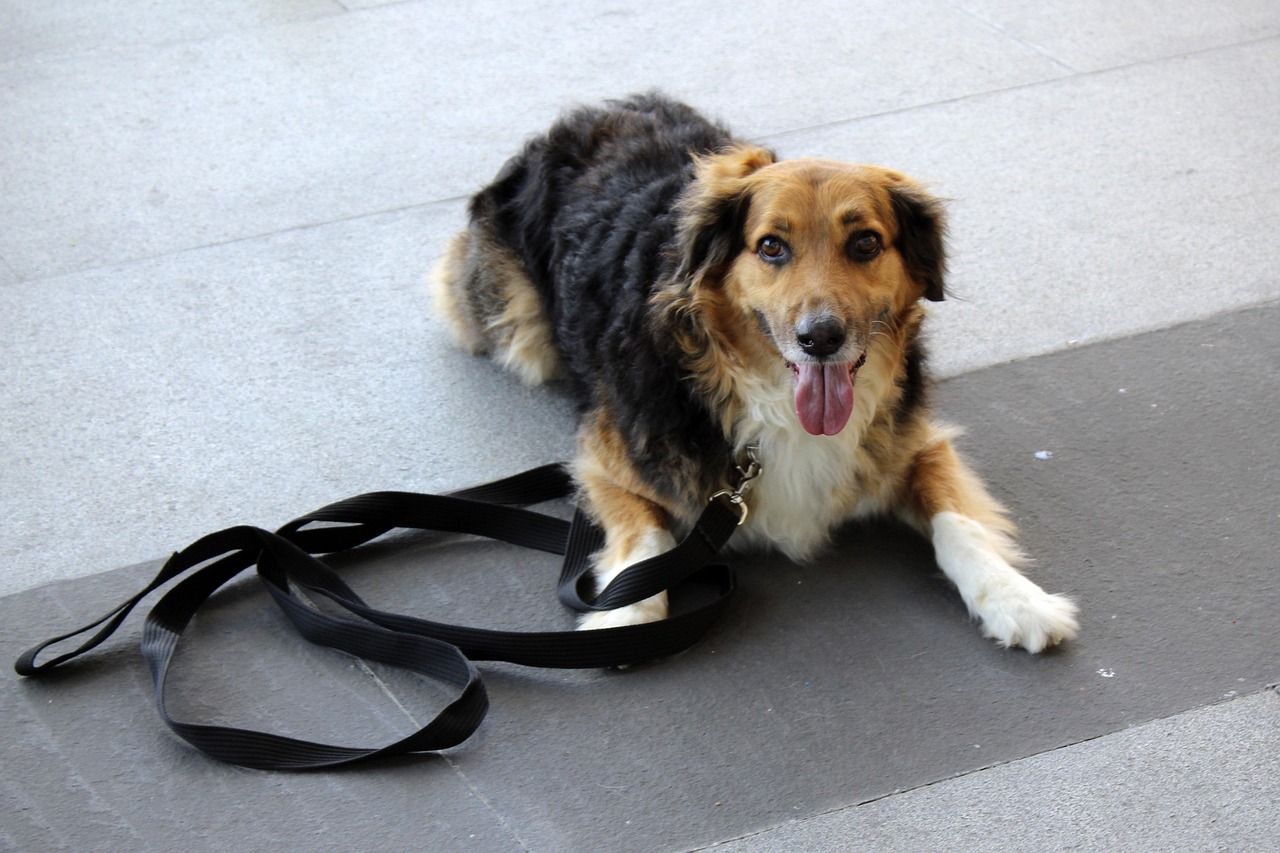

Problem Solving for Dogs That Refuse Commands
Training a dog can present various challenges, particularly when they refuse to follow commands. This situation can be frustrating for owners and may undermine the bond between pet and owner. Understanding the reasons behind this refusal is essential. Dogs may not comprehend the command, may be distracted, or assert independence. Identifying the cause of refusal is the first step towards a solution. It is critical to use positive reinforcement in training, as punishing a dog can lead to fear and anxiety. Instead of focusing on the negative behavior, celebrate small successes to encourage compliance and cooperation. Consistency is vital in establishing reliable behaviors. Every family member should enforce the same commands so the dog does not get confused. Short training sessions, lasting about five to ten minutes, can help maintain your dog’s interest and focus. Gradually increase the complexity of commands as your dog becomes more responsive. Patience plays a crucial role; dogs do not always learn at the same pace. By understanding these principles, you can work towards solutions for dogs reluctant to obey commands and build a stronger relationship with your furry companion.
It is important to note that certain external factors may hinder a dog’s ability to obey commands. Distractions such as loud noises, other animals, or unfamiliar environments can divert a dog’s attention from their owner. When training, ensure you have a quiet space where your dog can concentrate without interruptions. Creating a positive learning environment encourages better response rates to commands. Start with simple commands that your dog is already somewhat familiar with to build confidence. Additionally, using toys and treats as rewards can motivate dogs to engage in the training session. Owners should vary the rewards to maintain the dog’s interest; every dog finds different things motivating. Sometimes a dog may refuse commands due to a lack of physical or mental stimulation. Engage in regular exercise to meet your dog’s energy needs, as a tired dog is often more compliant during training. Problem-solving may include varying training techniques and trying different commands on separate days. Consider consulting a professional dog trainer if challenges persist; they can offer specialized solutions tailored to your dog’s specific behaviors.
Understanding Your Dog’s Behavior
Understanding canine behavior is key in solving command refusal issues. Many owners make the mistake of interpreting their dog’s actions through a human lens, which can lead to frustration and miscommunication. Dogs communicate primarily through body language. A dog that is not making eye contact or appears anxious may be signaling confusion or discomfort. Observing indeed helps owners adjust their training methods to be more in tune with their dog’s needs. Recording commands and observing responses can create a clearer picture of refusal patterns. Establishing a consistent routine can help reinforce learning. Dogs thrive on routine and predictability, which gives them a framework for expected behavior. If an owner frequently changes the commands or the environment, the dog may become confused. Repetitive practice in familiar surroundings fosters trust and security. Training should be adaptable to an individual dog’s learning style and needs. Experimenting with various methods, such as clicker training or incorporating games, might make the process more enjoyable and effective. Understanding the dog’s perspective ultimately enables a more patient and effective approach to training and problem resolution.
In some cases, health issues may be the cause of a dog’s refusal to obey commands. If a dog experiences pain or discomfort, their motivation levels may drop significantly. It’s vital for owners to consult with a veterinarian when encountering persistent command refusal issues. Health evaluations can rule out any underlying medical conditions. Once health concerns are addressed, many dogs may respond better to training efforts. A holistic approach that integrates proper health care, physical activity, and mental engagement boosts a dog’s ability to learn. Additionally, the consistency of language and tone used by the owner plays a crucial role in training success. Dogs are adept at picking up on emotional cues; owners should maintain a calm and positive demeanor during training. Moreover, excessive commands may lead to frustration for both parties; focusing on one or two commands at a time helps your pet remain focused. Practicing commands while engaging with your dog’s unique personality encourages greater cooperation. Make regular adjustments based on your dog’s progress. The process is as much about building trust as it is about training the dog itself.
Creating a Training Plan
Building a structured training plan can enhance your success in commanding adherence. Tailor your plans specifically for your dog’s breed, age, and temperament. Older dogs might have developed certain habits that require unique training strategies. Conversely, puppies are prone to distractions while learning. Begin with basic commands such as ‘sit,’ ‘stay,’ and ‘come’ before progressing to more complex commands like ‘heel’ or ‘leave it.’ Make adjustments based on your dog’s learning style and pace to ensure each session is productive. Setting realistic goals will help your dog experience a sense of accomplishment. Be prepared to repeat commands and concepts until they are fully understood by your dog. Consider incorporating socialization opportunities into your training plan, allowing your dog to practice commands in various settings with different people and animals surrounding them. Gradual exposure helps them adapt and respond appropriately. Documenting your dog’s responses can offer insights into their distinctive learning process, making it easier for you to harmonize teaching styles and methods. Adjust and refine your training plan periodically based on outcomes to maintain effectiveness.
Another element of effective problem-solving includes developing your dog’s focus and impulse control. Many dogs become overwhelmed or distracted by stimuli in their environment, which can lead to refusal to follow commands. Training sessions that incorporate focus exercises will establish better control and reinforce learning behaviors. Utilize a strong command to get your dog’s attention before issuing an instruction. Simple exercises like ‘watch me’ can redirect your dog’s focus to you while training. Gradually introduce distractions once your dog masters basic commands to strengthen their responsiveness. Training in varied environments fosters adaptability and solidifies learning. Gradually increase the complexity of commands as your dog’s focus improves. A well-stimulated dog is less likely to ignore commands due to boredom or restlessness. Implementing short, high-energy training activities can also keep the dog engaged and eager to learn. Frequent interaction with your pet, through play and exercise, builds a stronger foundation for compliance. Establishing routines and incorporating fun into the learning process ensures your lessons are not only effective but also enjoyable for both you and your dog.
Seeking Professional Help
If your dog continues to refuse commands despite consistent efforts, consider seeking professional help. Professional dog trainers have the expertise and experience to identify underlying issues that might be affecting your dog’s behavior. They can provide personalized guidance, helping you to establish effective communication with your dog. Trainers often develop specialized programs tailored to individual dogs, which can accelerate the learning process. Group classes or or one-on-one sessions may also offer additional socialization opportunities for your canine companion. During these sessions, both you and your dog can benefit from practical, hands-on training techniques. Engaging with fellow dog owners can be motivational and reassuring. Choose a trainer with a reputation for using humane and positive training methods. Research local trainers and read reviews to ensure their techniques align with your goals. Building a relationship with a professional trainer can also allow for ongoing support as your dog grows and develops. Remember that training is a lifelong process; maintaining a positive attitude and being adaptable are crucial in helping your dog become a responsive, obedient companion over time.
Persistent issues with command refusal can lead to frustration among pet owners but addressing these concerns effectively ultimately enhances the relationship between dog and owner. Positivity, consistency, and patience are foundational. A well-rounded approach that involves understanding your dog’s behavior, health, and environment will facilitate better engagement in training sessions. Stay observant and respond promptly to your dog’s needs. Adjust training methods based on their progress, and always celebrate small victories to reinforce positive actions. Incorporate fun, engaging activities to keep your dog motivated throughout the learning process. Finally, maintain open communication with your dog by adapting your commands and methods based on how your dog responds. Creating a nurturing environment for learning helps strengthen your bond and instills a sense of confidence and understanding in your dog. Always remain open to modifications as each dog is unique and may require distinct methods or timelines. Solving command refusal is possible with continued mindfulness and commitment to your dog’s upbringing. As you work together, you’ll not only overcome challenges but also cultivate a relationship grounded in trust and collaboration.