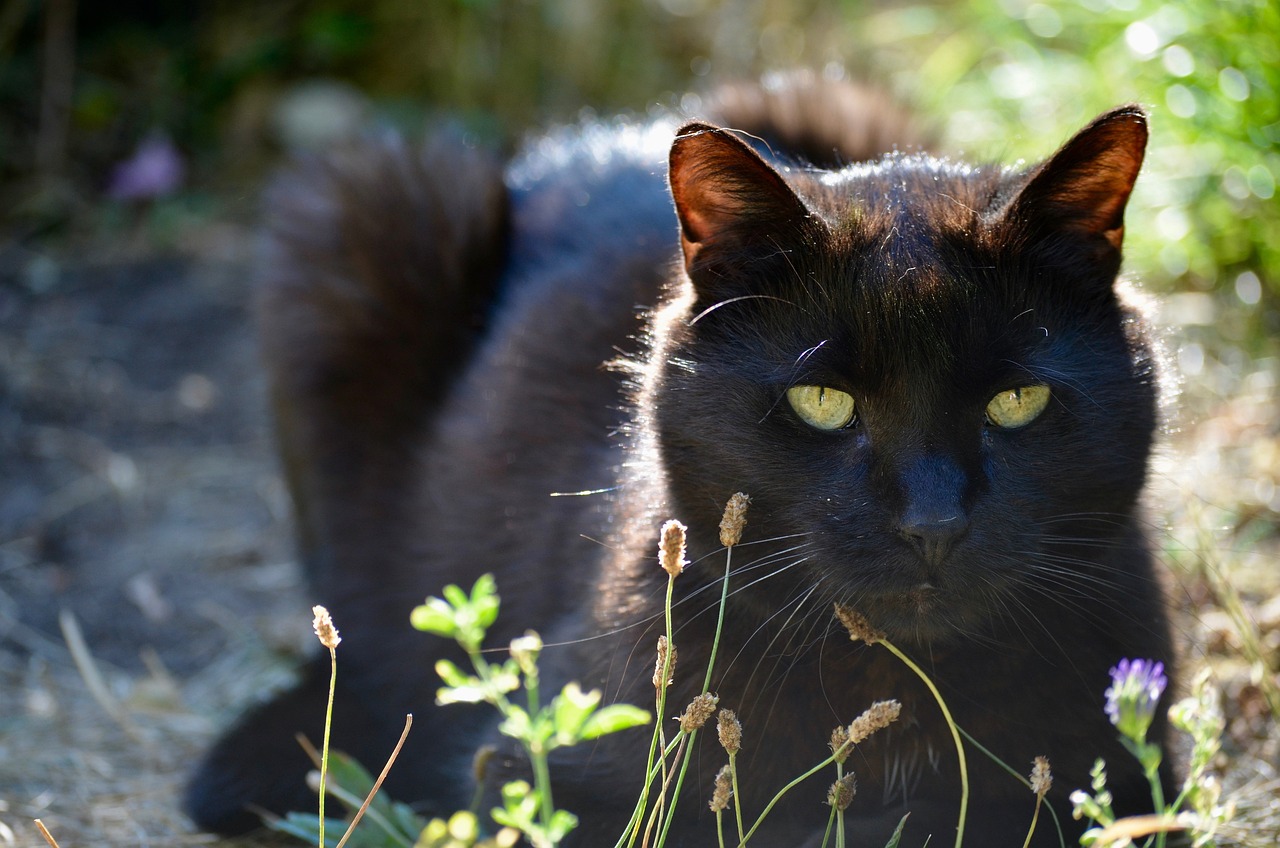

Safety Tips When Photographing Cats
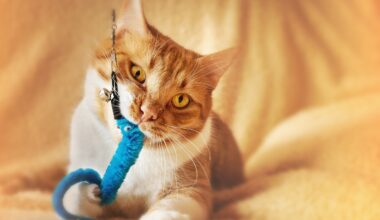
Photographing cats can be a delightful yet challenging experience. Before you begin, ensuring the comfort and safety of the cat is paramount. Start by creating a calm environment. Avoid loud sounds or sudden movements that might scare the cat, which can lead to unfavorable results in your photos. Having patience is essential; sometimes, you will need to wait for the cat to settle into a natural pose. Use familiar toys or treats to attract their attention, encouraging them to engage with their surroundings. It’s vital to have good lighting, preferably natural light from windows, as it avoids harsh shadows and gives a soft ambiance. This approach not only enhances the image but also minimizes stress for the cat. Try shooting at the cat’s eye level; this perspective helps in capturing their personality. A longer lens might be useful, allowing you to keep a safe distance while still getting intimate shots. Remember, safety is also about protecting the cat’s space; avoid placing the camera too close or obstructing their escape route. Overall, these techniques will help you achieve fantastic, safe cat photography without causing distress to your feline friend.
Moreover, understanding feline behavior and body language is crucial when photographing cats. Cats have different signals that indicate how they feel; recognizing these is essential for a good shooting session. For example, when a cat’s ears are pointed forward, they are curious and engaged, but if they’re flattened, it means the cat is frightened or annoyed. Pay attention to the tail movements as well; a flicking tail could indicate agitation. Being aware of their comfort zone helps you position yourself accordingly. If a cat appears overwhelmed, it’s best to take a break and allow them time to relax. Using a quiet space, away from unfamiliar people or animals, ensures a stress-free atmosphere for your shoot. Additionally, consider using props that help the cat feel more at ease, like blankets or beds that smell familiar. Experimenting with different angles can yield fascinating images, but always stay sensitive to the cat’s mood and reactions. If things aren’t going well, consider stopping and trying another day. Prioritizing the cat’s comfort not only ensures better photos but also strengthens your rapport with your furry model.
Equipment and Settings
Using the right equipment is essential for optimal results in cat photography. Invest in a good camera, which will allow you to capture high-quality images even under challenging lighting conditions. Begin with a lens that has a wide aperture, such as f/1.8 or f/2.8, which allows for better low-light performance and provides a beautiful blurred background. This creates a lovely bokeh effect, focusing attention on your subject. Zoom lenses can be beneficial, as they enable you to photograph the cat from a safe distance without disturbing its comfort. Additionally, consider using a tripod to stabilize your shots, especially in low light. It allows you to experiment with longer exposure times without risking blurry images. Familiarize yourself with your camera settings; knowing how to adjust ISO and shutter speed can make a significant difference in your images. Capture your cat’s personality by taking candid shots during playtime, while they nap, or as they explore their environment. These real-life moments often tell a compelling story through your photographs. Highlighting the cat’s features and emotions will create stunning photographs that resonate with their character.
Another important aspect of cat photography is post-processing, where you can enhance your images further. After your photo session, using editing software can help you adjust lighting, colors, and sharpness to create more striking visuals. Begin by cropping the photo to remove distractions and improve composition. Adjust the exposure to highlight details, especially if the initial lighting was less than ideal. Enhancing contrast can also make the colors pop, making the image more vibrant. Pay attention to white balance; ensuring that the colors appear naturally can significantly impact the final look. Consider applying a slight sharpening effect to bring out the cat’s fur texture, which can give your photos a more polished appearance. However, avoid over-editing, as this can lead to an unnatural look, distracting from the cat’s true beauty. Always save a copy of your original photos before making adjustments. The goal is to present authenticity in your cat’s personality while ensuring every shot is visually pleasing. Balancing these aspects can elevate your cat photography, producing memorable images that capture the hearts of viewers.
Safety Precautions
Safety precautions are vital when photographing cats, especially when working with unfamiliar animals. Always gain the owner’s permission before photographing someone else’s cat; this builds trust and illustrates respect for both the pet and its owner. When meeting a new cat, allow them to approach you first. Avoid forcing interactions, as this can lead to stress or anxiety for the cat. Keep your equipment secure; ensure that camera bags and other gear do not become tripping hazards. It’s best to keep the area free from clutter to prevent accidents. Moreover, never place the cat in unsafe situations for the sake of a photo. Forcing them into a small space or on a high surface can cause undue stress and possible injuries. If you’ve set up a backdrop or props, check for small items that the cat could potentially swallow or interact with dangerously. In general, maintain cleanliness, ensuring areas are free from toxic plants or other hazards. Finally, be prepared for quick exits; if the cat seems uneasy, let them walk away. These simple precautions will help create a more enjoyable experience for both you and the cat, making for safe and happy photography sessions.
In addition to general safety precautions, understanding the environment where you photograph cats plays a significant role in ensuring a smooth session. Cats can be territorial creatures, and capturing them in their familiar surroundings often leads to the best results. It’s essential to observe their environment for any distractions that could disrupt your shoot. For example, remove loud toys and distractions that might make the cat anxious. Consider the time of day when scheduling your shoot, as natural light varies significantly throughout the day. Early mornings or late afternoons usually provide the best light, creating a soft, golden hue for your photographs. Check your settings beforehand; ensure you know how to quickly adjust the ISO or aperture, as lighting conditions can shift unexpectedly. If you’re shooting outdoors, pay attention to weather conditions; strong winds or rain can disrupt the session and pose a danger to the cat. Additionally, keep an eye on other animals in the vicinity, as other pets can cause anxiety and should be controlled to ensure the cat remains calm. Ultimately, a well-considered environment creates a successful and enjoyable cat photography session.
Ending Thoughts
As you conclude your cat photography journey, remember that the key to impactful images lies in the bond you establish with your subject. Taking the time to understand cats and their behaviors is crucial; this knowledge equips you to create captivating images that genuinely reflect their personality. Always aim for comfort first; when cats feel safe and relaxed, they naturally exhibit their unique traits, leading to memorable photographs. Prioritize using appropriate equipment, knowing your camera settings, and enhancing images during post-processing. Don’t forget the importance of safety—both for the cat and yourself—as it creates a healthy environment conducive to great photography. Moreover, the joy of photographing cats comes from capturing their essence and distinctive personalities, resulting in beautiful stories told through your lens. As you develop your skills, embrace the challenges that come with feline photography. Each session is a learning experience, allowing you to grow as a photographer. Always strive for patience, continue experimenting with different techniques, and remember the personal connection you build with your feline subjects will ultimately lead to the most rewarding photographic experiences.
By embracing these safety tips and recommendations, you will enhance your ability to capture stunning images of cats. This ensures their comfort and encourages a more relaxed atmosphere during the photography sessions. Whether you are an amateur or an experienced photographer, honing your skills while prioritizing the well-being of the subjects will lead to brilliant and heartwarming photos. Invest the time in getting to know each cat, allowing their individual personalities to shine through in every shot. Focusing on the details—such as lighting, posture, and environment—can add depth and emotion to the images. Most importantly, always remember that photography is about storytelling; let the unique narratives of your feline friends unfold through your lens. Cultivating genuine relationships with your subjects will not only improve your photography but will also create cherished memories. Revisit your favorite techniques, keep challenging yourself, and keep an open mind to new approaches. In doing so, you’ll discover the immense beauty and joy that comes with photographing these enchanting creatures, converting everyday moments into art that celebrates the wonder of cats.