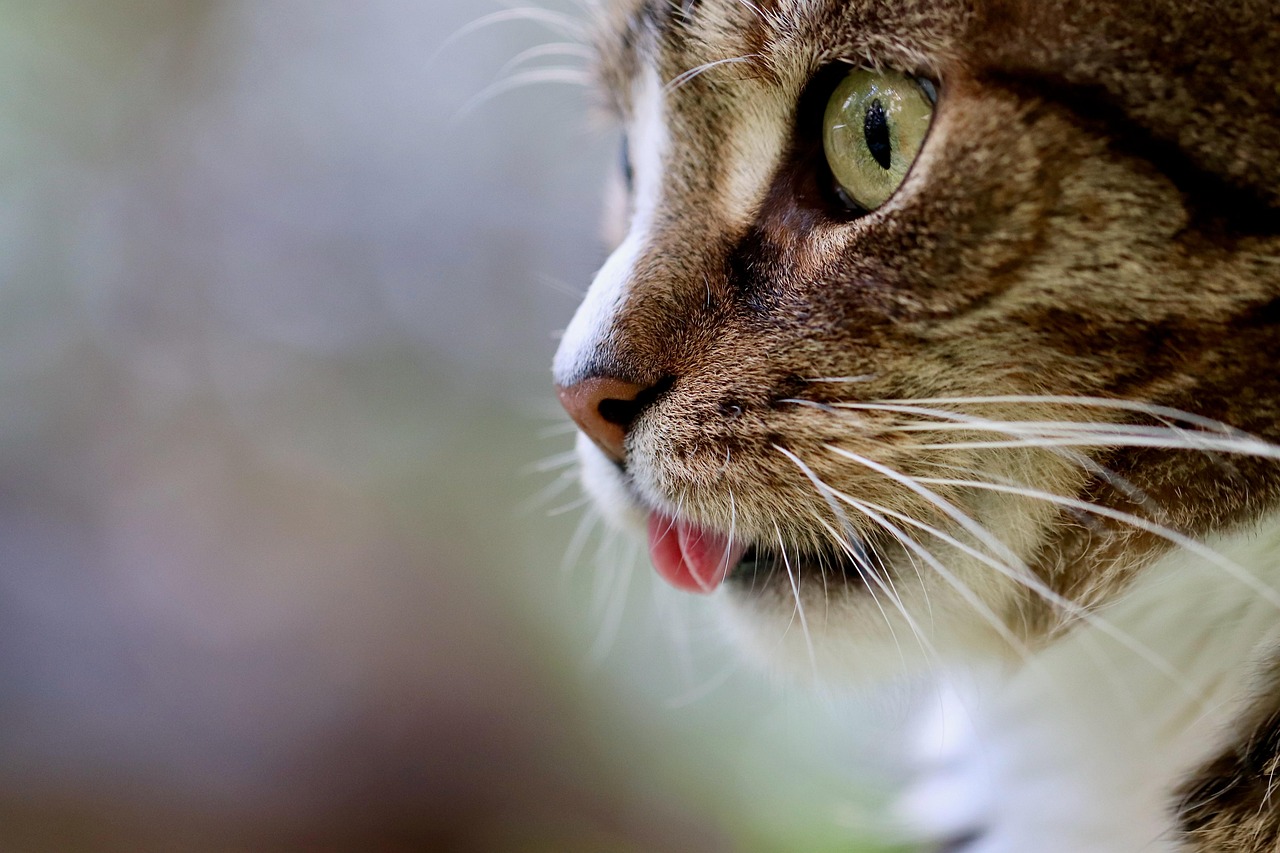

The Dos and Don’ts of Giving Herbal Supplements to Cats
Introducing herbal supplements into your cat’s diet can be a beneficial way to enhance their overall health. However, it’s crucial to know which supplements are suitable for felines. Always consult your veterinarian before adding anything new. The reason is that specific herbs might interact adversely with other medications your cat is on. Secondly, choose reputable brands that provide clear dosage instructions and quality assurance. Check for certifications or third-party testing. Additionally, observe your cat’s behavior and health after introducing these supplements. Some positive signs include improved vitality or a shiny coat. However, if you notice any signs of distress or discomfort, immediately cease administering the supplement. Remember that not all herbs are created equal; some can be toxic to cats. Research extensively and ensure you understand the nature of the herbs you plan to administer. Lastly, keep in mind the specific needs of your cat. Each cat is unique, and what works for one may not suit another. Therefore, a tailored approach is essential for the well-being of your furry friend.
Understanding Herbal Supplements for Cats
Herbal supplements can play a pivotal role in promoting good health in your cat. They provide essential nutrients and act as natural remedies for various ailments. However, the selection of appropriate herbs is paramount. Some commonly used herbs include catnip, valerian root, and dandelion. Each of these has its unique benefits. For instance, catnip can help with anxiety, while dandelion is excellent for digestive health. Start with small doses to determine how your cat reacts to these supplements. As important as it is to use herbs correctly, also consider your cat’s overall diet. High-quality food complementing the right supplements allows optimal nutrient absorption. It’s also essential to avoid potential allergens. Regularly monitor your cat’s condition and adapt your approach based on their response. Keep an eye out for adverse reactions such as vomiting or fatigue. Maintaining open communication with your veterinarian regarding these supplements helps create a balanced health plan. Lastly, understand that herbal supplements should not replace traditional veterinary care but serve as supplementary support for your cat’s health journey.
When beginning the journey of administering herbal supplements to your cat, timing is crucial. Consider introducing herbs during your cat’s routine when they’re calm and relaxed. This can help reduce any stress or anxiety related to the new addition. It’s important to administer the supplements at the right time of day, ideally during their feeding schedule. That can enhance acceptance and absorption. Always remember that some cats can be picky eaters; hence, disguising the supplement in their favorite food can be effective. Offering herbal supplements as treats can also improve the likelihood of compliance. Pay attention to the individual preferences and habits of your cat. Cats have unique personalities, and their tastes can vary significantly. Furthermore, monitoring the herbal effects on your cat over time is essential. Adjust the doses accordingly while ensuring you stay within the recommended guidelines. Providing a comfortable environment during this transition phase is critical as well. It creates a positive association with the supplements. Be patient, as it might take time for your furry companion to adjust to the change. Ultimately, a tailored approach reinforces good pet care practices.
Consistency and Patience in Administration
When incorporating herbal supplements, consistency is key to seeing positive results. Give the supplements at the same time each day to establish a routine. Cats thrive on consistency, which also helps them to become accustomed to the taste of the herbal remedies. Observe how they react over a few weeks to gauge efficacy. Some herbs may take time to show visible health improvements. Additionally, be patient; it may take a while for your cat to adjust to this new regimen. If your cat appears hesitant to consume the supplement, consider trying different methods of administration. Mixing the herbs with tasty treats or their favorite food can encourage acceptance. Also, gradual introduction can ease the transition. Similarly, avoid changing supplement types frequently, as this can confuse your cat. Consult your vet if you feel a change is necessary; they can recommend beneficial alternatives. Always note your cat’s response to the herbs in a journal. Tracking their behavior, energy levels, and overall health ensures that you have accurate information to discuss with your veterinarian. Above all, prioritize your cat’s comfort.
One must not overlook potential side effects when giving herbal supplements to cats. Just because an herbal remedy is natural does not necessarily make it safe for all felines. Each cat has its own unique biology and can react differently to certain herbs. Some common adverse reactions include vomiting, diarrhea, or lethargy. Should these symptoms occur, stop administering the supplement and seek veterinary advice immediately. Besides potential side effects, consider interactions with other medications. Different herbs can affect how various medications work in your cat’s system. Always disclose any supplements to your veterinarian, who can help prevent adverse reactions. It’s essential to remain informed about both the benefits and risks associated with herbal supplements. Aim to strike a balance between traditional treatments and herbal remedies. Regular communication with your veterinarian builds a collaborative approach, aiding in identifying the most appropriate supplements for your specific cat. Ultimately, safeguarding your pet’s health involves careful monitoring and informed decision-making. Keep a watchful eye as you navigate the world of herbal supplements to ensure your furry friend remains happy and healthy.
Final Thoughts on Herbal Supplements
In summary, the thoughtful inclusion of herbal supplements in your cat’s diet can yield positive health outcomes. However, doing so responsibly requires diligence. Always opt for high-quality, veterinarian-recommended products and follow dosage guidelines provided by manufacturers. Educate yourself about the specific needs and sensitivities of your cat before introducing new supplements. Consider their age, health conditions, and diet when selecting herbs; these factors can play a significant role in effectiveness. As previously noted, observing your cat’s behavior helps ensure their well-being during this transition. If difficulties arise, consult your veterinarian for specialized guidance tailored to your cat’s needs. Regular check-ups can pinpoint any concerns early on, allowing timely interventions. This ensures the maintenance of your cat’s health and happiness. Remember, the goal is to enhance their quality of life, and every cat is unique. A personalized approach will yield the best outcome when considering herbal supplements. Embrace the journey of discovering what works best for your furry companion. Being proactive and informed contributes significantly to a successful supplementing experience, leading to a happier, healthier cat.
Lastly, being part of a community of pet owners can greatly enrich the experience of providing herbal supplements. Engaging with online forums or local pet owner groups allows you to share experiences and learn from others. Discover strategies that have worked for fellow cat owners, including methods of administration and product recommendations. Techniques for introducing new supplements may vary widely among individuals; learning about these can provide insights. Additionally, joining discussions fosters a sense of belonging and support during your journey as a cat parent. This collective knowledge can protect against common pitfalls and mistakes. Remember that your veterinarian can also serve as a valuable resource, providing credible information and authoritative advice. Their expertise is invaluable in navigating new supplements in your pet’s regimen. Moreover, sharing your experiences can be extremely beneficial to new cat owners. Contributing to discussions about what works or doesn’t work informs others. Ultimately, whether it involves herbs or other supplements, everyone benefits from community interaction. Gaining knowledge and support creates a more enriching environment for both pet and owner, fostering health and well-being.
Before concluding, consider summarizing key points regarding dosage and safety. The key takeaways include: always consult a veterinarian before starting new supplements, be cautious of individual herb safety, and monitor your pet closely for any changes. Create a detailed record of the supplement journey, including dates, dosages, and observed reactions. Use this journal to share insights with your veterinarian during visits. Read labels meticulously and familiarize yourself with potential allergens. Remember that each cat’s individual needs may vary significantly due to health statuses or dietary restrictions. It’s crucial to remain aware of potential side effects and always be prepared to make adjustments based on your cat’s reactions. Consistency is key to successful integration without overwhelming your pet. Implement changes gradually and thoughtfully. Finally, keep an open mind as you explore various options; new research may continually provide informative insights into cat nutrition and herbal supplements. Keep up to date with developments in feline nutrition. Stay engaged with your cat’s diet and well-being to ensure optimal results as you navigate the complex world of cat health.