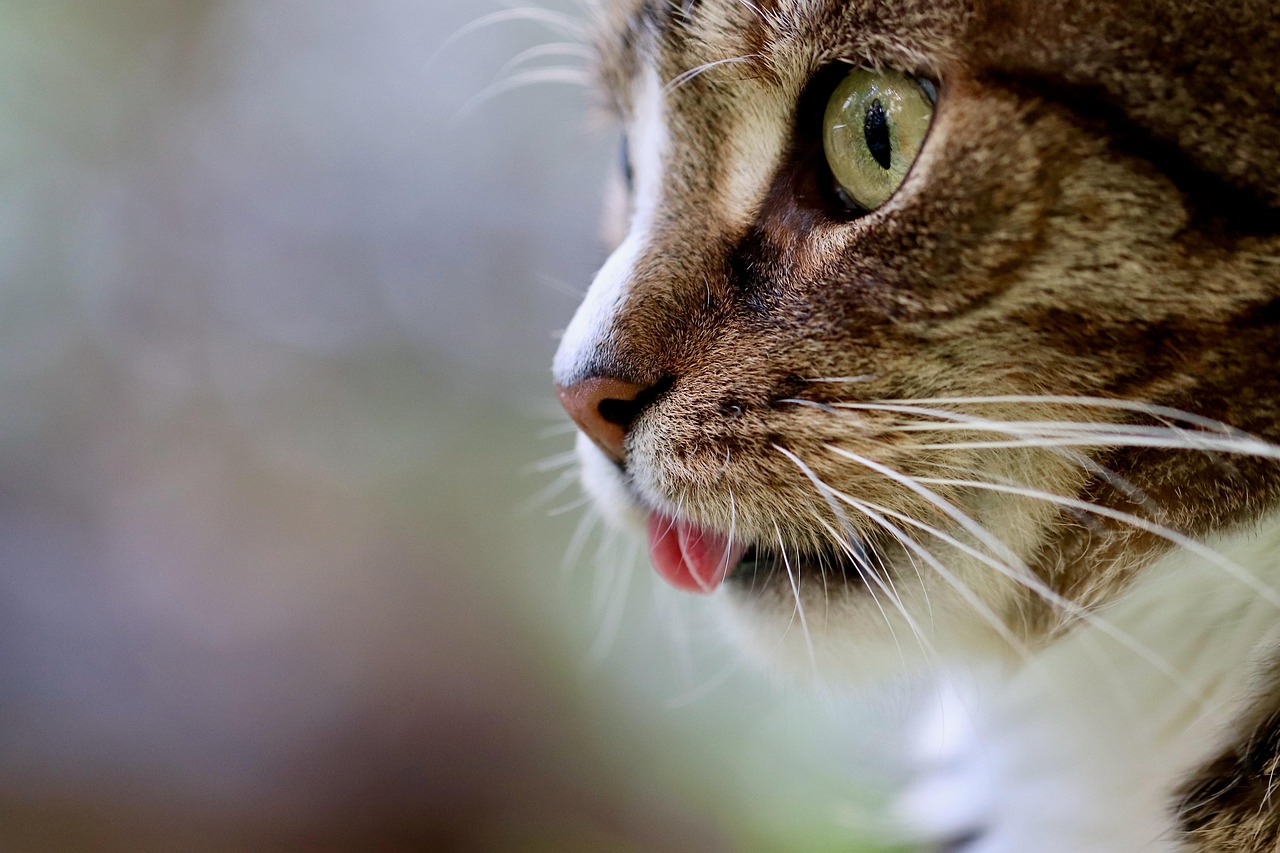

Traveling with Senior Cats: Special Considerations for International Journeys
Traveling internationally with senior cats requires careful planning and preparation. Older felines often have specific needs that must be addressed to ensure their comfort and safety during the trip. One of the primary considerations is scheduling a visit to the veterinarian well in advance. Senior cats may require certain vaccinations or health documents for travel. Additionally, it is crucial to assess your cat’s overall health, including any chronic conditions or medications they may need during the journey. Make sure to carry an ample supply of any necessary prescriptions. With proper veterinary documentation, the boarding process becomes smoother and stress-free. You should also make arrangements for suitable accommodations that allow cats. Many hotels and rentals explicitly cater to pet-friendly guests, so doing your research is essential. You should verify the policies of any airline you choose, ensuring they cater to pets and have specifics for senior animals. Finally, prepare your cat for travel gradually to minimize stress. Familiarize them with their carrier and the travel routine ahead of time, making it a positive experience for both of you.
Regarding travel documentation, ensure all relevant paperwork is accessible. Most airlines and countries require specific health certificates, especially for senior pets. Failure to provide these documents on arrival may result in quarantine or denial of entry, which can be distressing for both you and your cat. Another critical aspect involves acclimating your senior cat to the travel carrier. Provide plenty of opportunities for your cat to explore and comfortably spend time inside the carrier. You may want to place familiar bedding, treats, and toys to calm them. Additionally, consider taking your cat for short car rides prior to your trip to get them accustomed to the motion and environment. Hydration is also essential, so keep water easily available. Senior cats are particularly vulnerable to dehydration, so it’s imperative to encourage them to drink water. Furthermore, packing a travel kit with basic supplies is a good idea. Include food, water bowls, a leash, waste disposal bags, and any medications. Finally, be prepared for any unexpected situations, including changes in travel plans, so you can adapt swiftly and effectively.
Preparing for the Journey
Before setting off on your international journey with your senior cat, research your destination extensively. Some countries have strict import regulations concerning pets, particularly older animals. Visit the official government website for comprehensive information regarding regulations and potential restrictions. Pay attention to any specific requirements, such as quarantine durations or additional vaccinations your cat may need. Older cats may have health concerns that young cats do not face, and this could affect their travel eligibility. It’s also beneficial to familiarize yourself with pet-friendly establishments at your destination. Search for hotels, restaurants, and parks that permit cats. However, always have a backup plan in case original accommodations are not viable. Moreover, when you board a plane with your senior cat, remember that comfort is paramount. Try to book direct flights to minimize travel stress. If layovers are unavoidable, ensure ample time for your cat to comfortably rest and relieve themselves. Continuously monitor your cat during the flight, and remain attentive, as older cats may need extra support during essential times. This approach will help ensure a successful, enjoyable trip for you both.
During the flight or long travel periods, consider the temperature regulation within the carrier. Senior cats can be sensitive to extreme temperatures. Ensure their carrier is well-ventilated, and check the airline’s temperature management protocols. You can also place a thin blanket or towel over the carrier for comfort. Throughout the journey, try to maintain your cat’s normal feeding and drinking schedule, adjusting as necessary to accommodate travel times. Offering small treats can alleviate anxiety and provide comfort. It is also wise to discuss stress-relief options with your veterinarian. Some senior cats may benefit from natural calming remedies or medications. Always administer these under veterinary guidance. Keep your cat’s favorite items within reach, such as toys or blankets, to help reduce stress during the journey. If your cat shows signs of anxiety, such as excessive meowing or hiding, try speaking softly or offering treats. Additionally, monitor their behavior closely and be prepared to soothe them as needed. Arriving at your destination is just as crucial as the journey itself. Your cat should feel immediately at home when you reach the new environment, so take time to establish a routine.
A Safe Arrival at Your Destination
Upon arrival, make sure your senior cat has a designated area to decompress. Unpack their belongings to create a familiar space filled with comfort and security. Allow your cat to explore at their own pace. An environment that feels safe fosters positive adjustment for older cats. Senior cats might find new locations phobia-inducing, so offer reassurances during their exploration. Providing treats, gentle petting, and encouraging playtime can help navigate these feelings. Keep a close eye on how your cat interacts with their new surroundings. Check their eating and drinking habits, as changes in environment can sometimes lead to aversion to food or water. If your cat seems to be struggling with any adjustments, consult your veterinarian for advice. They may provide useful insights about calming techniques or suggest modifications for their care. Be patient; transitions can take time, particularly for senior cats. Establishing a predictable routine for feeding, play, and relaxation can aid in their acclimatization. Finally and importantly, while enjoying your trip, ensure any adventures you plan consider your cat’s age and mobility needs for their safety.
Your traveling experience may entail numerous outings and excursions, but prioritize your senior cat’s needs. Short, manageable activities may be beneficial to maintain engagement without overwhelming them. Always have a secure, portable carrier for transportation, ensuring safety during trips away from your accommodation. Frequent breaks during travel can ease stress while allowing your cat to rest. Monitor their physical health closely, especially during hot weather or in unfamiliar surroundings. If there’s a veterinary clinic nearby, be aware of its location in case you need assistance. Before venturing out, confirm whether the areas you plan to visit are cat-friendly. Parks, beaches, or outdoor dining can provide enjoyable experiences for you and your cat but also pay heed to the weather and general atmosphere. While exploring local culture is appealing, always keep your senior feline’s comfort at the forefront of your plans. Avoid overcrowded or noisy locations that can intensify anxiety. Lastly, keep your cat’s items within arm’s reach; this includes food, water, and medications, so that you can create a familiar and supportive environment wherever you go.
Post-Travel Care for Senior Cats
After your trip, it’s essential to check in on your senior cat’s health and well-being. Older felines can experience stress-related conditions that may arise post-travel. Observe their eating, drinking, and litter box habits carefully. Any significant changes warrant a consultation with your veterinarian. Returning to a routine can be beneficial following travel, as it helps your cat readjust to their familiar daily life. Ensure they have plenty of opportunities for relaxation and play. Sometimes veteran travelers may feel fatigued from the journey, so provide a comfortable space for them to recuperate. Give them some time and space after returning, as some cats may need a little longer to de-stress after their adventures. Also, consider celebrating your return with a favored treat; this can positively reinforce their travel experiences. If you notice any lingering anxiety during their recovery process, talk to your veterinarian. Strategies to assuage stress can be tailored to your cat’s specific needs. Caring for a senior cat offers incredible rewards, making preparations and post-trip recollections all the more memorable.
Through diligent preparation and ensuring your senior cat’s comfort, your international journey can be politically correct and enjoyable. Prioritize their health and well-being as an indispensable part of your travel planning. By following these tips, you can maintain a smooth transition, enriching your travel adventure together. Remember that every trip may not go perfectly, and flexibility is critical. Always listening to your cat’s needs will guide you towards making the best decisions. As you embark on this wonderful journey, celebrate every moment spent together and create lasting memories by exploring new places, all while ensuring your cat remains healthy. Documenting your adventures may provide insights for future travelers looking to share similar experiences. Your bond with your feline companion will strengthen as you learn to navigate the intricacies associated with traveling with senior cats. Enjoy every precious moment during your travels, adapting as necessary for your furry friend. Ultimately, travel with your senior cat can prove rewarding in ways you may not expect while enhancing your shared companionship. Best wishes on your upcoming adventures with your senior feline adventure buddy!