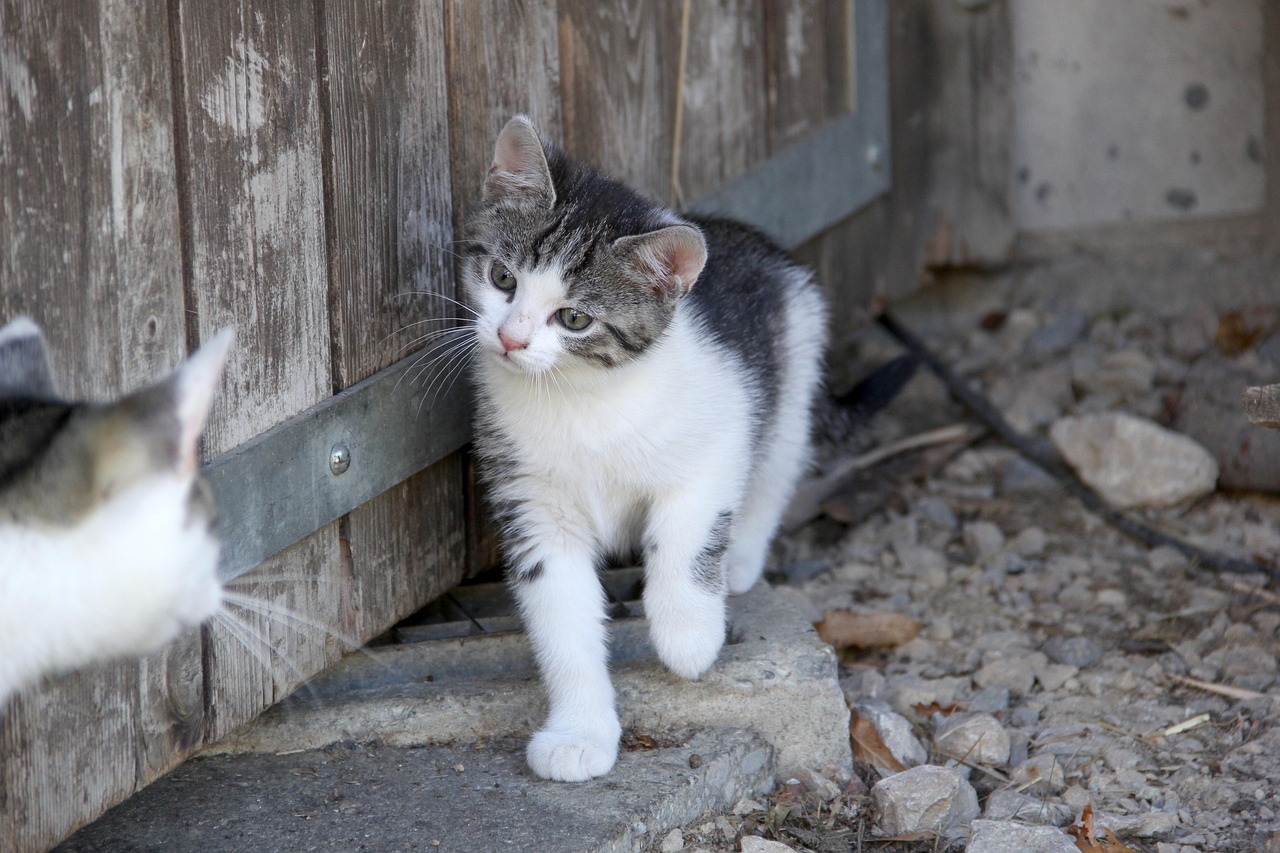

Understanding How Play Influences Kitten Growth
The early experiences in a kitten’s life significantly impact their overall development. Engaging in play helps to enhance critical skills that are essential for adulthood. One of the most valuable aspects of play is its ability to foster social interactions. Through playful activities, kittens learn to communicate with their peers and develop necessary social skills. This interactive behavior aids in understanding body language and social cues, which are crucial for a cat’s adaptability in various environments. Additionally, playful encounters with littermates contribute to physical development. During these activities, kittens engage in running, climbing, and pouncing, which helps to improve their coordination and strength. Furthermore, such play prepares kittens for hunting scenarios they will face as adult cats. Consequently, as owners, it is vital to provide opportunities for kittens to play in a safe and stimulating environment. Interactive toys and designated play areas ensure that they can engage in these essential developmental activities. In short, the role of play in kitten growth encompasses both physical and social dimensions, echoing the significance of providing a well-rounded upbringing for our feline friends.
As kittens mature, their play style transitions from solitary to social, showcasing the evolution of confidence and competency. This shift is integral as it allows them to hone their skills by practicing techniques that will be useful later in life. For instance, through interactive play, they experiment with their predatory behaviors. Playful hunting mimics during kittenhood prepares them for real hunting experiences, enhancing their capacity to stalk and capture prey as adult cats. Engaging in such play helps in developing both motor skills and cognitive functions. Kittens learn to assess distances and speeds essential for successful hunting. Owners can recall specific instances where a ball of yarn or a feather on a string captures their young cat’s undivided attention. This behavior not only provides amusement but simultaneously serves as a necessary learning tool. In addition, peer interactions among littermates foster an understanding of boundaries and personal space through gentle nips and swats, shaping their future interactions with other animals. Collectively, these experiences highlight why social play is a pivotal aspect of feline development, impacting their behavior in adulthood.
The Development of Behavioral Traits
Play isn’t merely about enjoyment; it’s vital for cultivating behavioral traits that define a cat’s character. When kittens engage in play, they exhibit various personality traits including confidence, curiosity, and assertiveness. Such experiences contribute to them becoming well-adjusted adults who can adapt to diverse situations. For instance, kittens that are encouraged to explore their environment during play often exhibit higher confidence levels as adults, displaying a sense of adventure. This adventurous spirit nurtures a healthy curiosity, encouraging them to explore new spaces without fear. Furthermore, play often unearths assertiveness; kittens who exhibit assertive behavior in play typically grow into confident adults. This assertiveness is often showcased through vocalizations and physical interactions with other pets in the household. Interestingly, the type and quality of play experienced in early life can significantly shape these characteristics. Environments that foster creativity and challenge stimulate a kitten’s growth, underscoring the need for varied and engaging play options. In summary, understanding play behavior serves as an essential key in unlocking a kitten’s unique personality.
Moreover, the relationship between play and emotional development cannot be understated. Engaging in playful activities allows kittens to manage stress and build resilience. Regular playtime with their human caregivers or fellow kittens provides an avenue for emotional expression. The positive interactions during play lead to the release of endorphins, which enhances their mood, reducing anxiety. It also positively influences their overall temperament during crucial development windows. Kittens that do not receive adequate opportunities for play may struggle with fearfulness or anxiety later in life. These emotional responses can hinder adaptations to new situations or environments, which is detrimental to a cat’s welfare. Owners should prioritize maintaining a balanced schedule that incorporates both interactive play and independent exploration. Toys designed to challenge kittens mentally and physically can further ensure they are engaged. This holistic approach promotes healthy emotional responses, fostering a joyful and playful attitude. Ultimately, when owners understand the importance of play in emotional growth, they contribute significantly to their pet’s long-term well-being and happiness.
Physical and Mental Stimulation
Physical play is equally crucial as it promotes both fitness levels and mental stimulation. Kittens are naturally energetic, and providing an outlet for this energy through play activities fosters their physical health. Engaging in active play helps reduce obesity by encouraging exercise, which is essential for their overall wellbeing. Kittens benefit greatly from play equipment that allows climbing, scratching, and jumping. Toys that mimic prey encourage chasing, which is instinctual behavior, thereby helping retain their health. Additionally, such activities stimulate their brains, allowing them to develop problem-solving skills. Challenging toys that require them to maneuver in specific ways or work for treats foster creativity and critical thinking. This duality ensures that play is not merely a fun activity but is essential for intellectual development. Furthermore, mental stimulation through play can aid in preventing behavioral issues that arise from boredom, such as scratching furniture or excessive meowing. Owners must strike a balance between physical and mental play, contributing to a happier, healthier feline.
Choosing the right toys plays a crucial role in ensuring effective playtime. Selecting toys that are both engaging and safe should be the priority for any kitten owner. It is beneficial to vary the types of toys available, including furry mice, balls, and interactive laser pointers to cater to different preferences. Understanding a kitten’s play behavior can also offer insights into their personality. Some kittens may prefer solo play, while others thrive in interactive settings alongside humans or other pets. Observing their preferences helps in choosing toys that promote social play rather than solitary, thus stimulating learning. Additionally, rotating toys periodically keeps the play environment fresh and exciting, preventing boredom. An effective strategy involves introducing new textures and sounds to challenge a kitten’s senses further. When kittens successfully engage with new toys, they reinforce their sense of achievement, which is vital for building confidence. By prioritizing appropriate toy selection, owners create a holistic play environment that supports diverse aspects of a kitten’s development.
Socialization Through Play
Socialization is a fundamental aspect of play, significantly affecting a kitten’s ability to interact with both humans and other animals. Early social play experiences can lead to better interpersonal skills later in life. Kittens learn crucial lessons such as sharing, cooperation, and boundary-setting through interactions with littermates. These encounters cultivate a rich social awareness, which is paramount for successful integration into broader households involving multiple pets. Moreover, kittens exposed to various sounds, environments, and people during play often show fewer signs of anxiety and fear, contributing to their confidence levels. Such interactions during the formative months promote adaptability, which is essential for household pets. For owners, facilitating varied social experiences can be vital. Inviting friends over to play with the kittens or introducing them gradually to other pets can yield significant benefits. Although gradual exposure is necessary, ensuring a positive experience will help reinforce their social behavior. In summary, social play lays the foundation for future social interactions and promotes emotionally healthy relationships with their human companions and fellow pets.
The importance of consistent play within a structured routine cannot be stressed enough. Establishing a regular play schedule creates a positive environment where kittens can thrive. Predictable playtimes contribute to their sense of security and anticipation. Kittens benefit from social bonding with humans through shared play sessions, facilitating attachments and a trusting relationship. Owners should incorporate short bursts of play throughout the day, which aligns with their natural hunting instincts. This engagement combines both fun and developmental benefits. Creating rituals, such as rewarding a kitten with a treat after a successful play session, further enhances the experience. Incorporating plays into feeding routines can also improve focus and excitement around mealtime. Moreover, observing the unique preferences of each kitten helps tailor play sessions that cater specifically to their interests. This customized approach ensures that every play session is productive and enjoyable. By prioritizing play within a structured routine, owners actively contribute to their kittens’ development, leading to happy, healthy feline companions.