
Understanding Toyger Cat Vocalizations and Communication
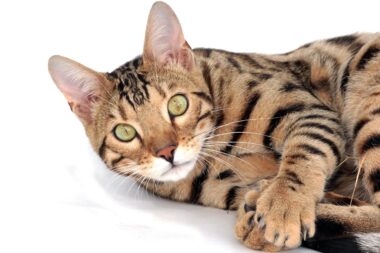
Toyger cats are known for their striking appearance and friendly demeanor. They are not just visually appealing but also have a well-developed vocal communication style. Understanding how your Toyger communicates can greatly enhance your relationship. Vocalizations range from soft purrs to loud meows, and each sound carries a different meaning. With their playful and energetic nature, Toyger cats often utilize vocalizations to express their needs or emotions. For example, a high-pitched meow might indicate excitement or hunger, while a gentle purr signifies contentment. Paying attention to these vocal cues can help owners respond appropriately. Additionally, Toyger cats often combine vocal sounds with body language, making their communication even more nuanced. For instance, a Toyger may meow while simultaneously kneading with their paws, combining vocalizations and physical actions to express their feelings. Understanding this blend of communication methods can foster a stronger bond between you and your Toyger. Recognizing not just the sounds, but their context, will aid you in interpreting what your feline companion is trying to convey. Having this awareness can enhance the overall relationship you share with your Toyger cat.
Toyger cats are known to express themselves vocally in various situations. One of the most common vocalizations is the chirp, often used when they want to capture your attention or show excitement. This sound is similar to a bird’s chirp, which aligns well with their active and playful personalities. Another common vocalization is the trilling sound, often made when greeting their owners or signaling happiness. It’s a friendly, social sound that indicates an emotional connection. Owners might notice these joyful sounds particularly during playtime or when receiving affection. Furthermore, low-pitched growls might signify annoyance or discomfort. This vocalization offers insight into resolving potential conflicts, as it serves as a warning signal. Understanding these varied vocalizations can help owners respond effectively to their Toyger’s emotional needs. Observing when and how these sounds occur allows for predictive behavior management and fosters a better environment. Additionally, recognizing vocal patterns helps in building a deeper empathy towards their feelings, strengthening that human-animal bond. Ultimately, the Toyger’s vocalizations are essential in communicating needs and emotions, bridging any gap between humans and these unique cats.
Understanding the Body Language of Toyger Cats
Body language in Toyger cats plays a crucial role in their overall communication. Their physical movements, paired with vocal sounds, create a comprehensive communication system that reflects their mood or intent. For instance, when a Toyger cat approaches with ears pointed forward, it typically indicates curiosity, interest, or excitement. In contrast, if ears are pinned back, it may signify fear or aggression. A relaxed body posture, with legs stretched out and tail low, indicates comfort and security, important for gauging when they feel safe. Likewise, a puffed-up tail can suggest that a cat is agitated or frightened. Moreover, the sway of their tails can also provide important cues; a slowly twitching tail often indicates concentration, while rapid swishing may suggest annoyance. Observing these nuanced movements enhances your understanding of their emotional state, which can be vital for creating a nurturing environment. Owners who take time to learn these nuances can foster a deeper connection with their Toyger cats. Consequently, both vocalizations and body language are essential in bridging the communication gap between humans and Toyger cats, creating a harmonious living arrangement.
Another vital aspect of Toyger cat communication is their facial expressions. These expressions convey subtle yet powerful emotions that accompany their vocalizations and body language. For example, a Toyger cat that emits slow blinks is expressing trust and affection towards its owner. This ‘cat kiss’ is an invitation for a closer bond, showcasing their desire for companionship. On the other hand, a direct stare can be interpreted as a challenge or a method of asserting dominance. Understanding these facial cues is critical for discerning your cat’s feelings. Furthermore, a slightly open mouth can signal confusion or curiosity, reflecting their inquisitive nature. Observing these expressions while engaged in vocalizations gives deeper insight into their emotions. A well-timed response to these cues can strengthen the bond and create a more harmonious relationship. During playtime or interactive sessions, recognizing the interplay of vocal sounds and facial expressions can help create a positive experience for both parties. This intertwining of communication methods ensures that owners understand their Toyger’s emotional needs at any given moment, promoting a harmonious coexistence.
Social Interactions with Other Pets
Understanding how Toyger cats communicate extends to their interactions with other pets as well. These cats tend to exhibit social behaviors that are particularly enhanced due to their playful nature. They often vocalize in unique ways during social interactions, which can help establish hierarchy within a multi-pet household. For example, they might employ softer tones when playing with younger or less assertive pets, promoting a friendly atmosphere. In contrast, more dominant cats may receive a series of assertive vocalizations to signify boundaries. Observing these interactions provides insight into the social dynamics at play. Additionally, Toyger cats are known for their curiosity and will often approach other pets with chirps or trills to initiate play. Understanding these social cues aids in ensuring harmonious cohabitation. Recognizing the context of these sounds among different species can also prevent misunderstandings or conflicts. By fostering an environment that appreciates these vocal gestures, you strengthen interspecies relationships, promoting a loving home. A balanced approach involving understanding vocalizations and body language contributes to a peaceful coexistence among various pets.
Training Toyger cats to communicate can further enhance your bond with them. Employing positive reinforcement techniques, such as rewarding specific vocalizations, encourages desirable behaviors. Recognizing which sounds they make in different contexts allows owners to tailor training sessions effectively. For instance, if your Toyger meows when playing, you can acknowledge this behavior with praise or a treat, reinforcing the communication style. This process not only promotes better communication but also helps decrease unwanted behaviors. By fostering this two-way interaction, you cultivate a deeper understanding of your Toyger’s needs. Additionally, recognizing and responding to basic commands fosters a sense of partnership. Over time, a Toyger cat will associate specific sounds with desired outcomes, enhancing their vocal repertoire. It’s essential to be patient and consistent during this training, as positive reinforcement is most effective. Establishing this clear communication framework can transform how you and your Toyger interact on a daily basis. The comfort in understanding each other’s cues and responses brings you even closer together. Ultimately, trained communication can create a satisfying and harmonious atmosphere for both you and your Toyger cat.
Conclusion: The Importance of Vocalization and Communication
In summary, understanding Toyger cat vocalizations and communication is essential for fostering a strong bond between you and your feline friend. Their diverse sounds, combined with distinct body language and facial expressions, provide a valuable insight into their emotional state. Paying attention to these cues can help you respond appropriately to their needs. Social interactions with other pets also showcase their communication style, reflecting their adaptable nature. As owners, we can enhance our understanding through training and positive reinforcement, reinforcing effective communication pathways. Recognizing the interplay of vocalizations, body language, and social interactions not only improves day-to-day interactions but also promotes a harmonious atmosphere in multi-pet homes. Ultimately, a deeper understanding of your Toyger’s unique personality and communication methods will lead to a more fulfilling companionship. This helps in preventing conflicts and ensuring that both you and your Toyger cat thrive together in your shared environment. By nurturing this relationship through awareness and understanding, you provide an enriching and compassionate home that benefits both parties. Embrace the journey of communication with your Toyger, and enjoy the unique experiences that come with sharing your life with such a magnificent breed.