
Using Essential Oils for Cat Parasite Prevention Safely
Essential oils have gained popularity as a natural alternative for various pet care needs, including parasite prevention. These oils come from plants and offer a variety of benefits, making them an appealing option for many cat owners. However, it is crucial to understand that not all essential oils are safe for cats. Cats have unique metabolic systems that can make them sensitive to certain compounds. The proper knowledge about which oils to use is essential for ensuring both effectiveness and safety. To use essential oils safely in your home for your feline friend, consider a few options. Essential oils like lavender, cedarwood, and peppermint show promise in deterring pests such as fleas and ticks. However, you should always dilute these oils properly before applying them, as the concentrated form can be harmful. Moreover, ensuring good ventilation when using essential oils is essential. This practice minimizes the risk of respiratory issues for your cat. Before incorporating essential oil treatment, consult with your veterinarian to ensure it aligns with your cat’s health needs and existing conditions. Knowledge is vital to strike a balance between effective parasite control and your cat’s safety.
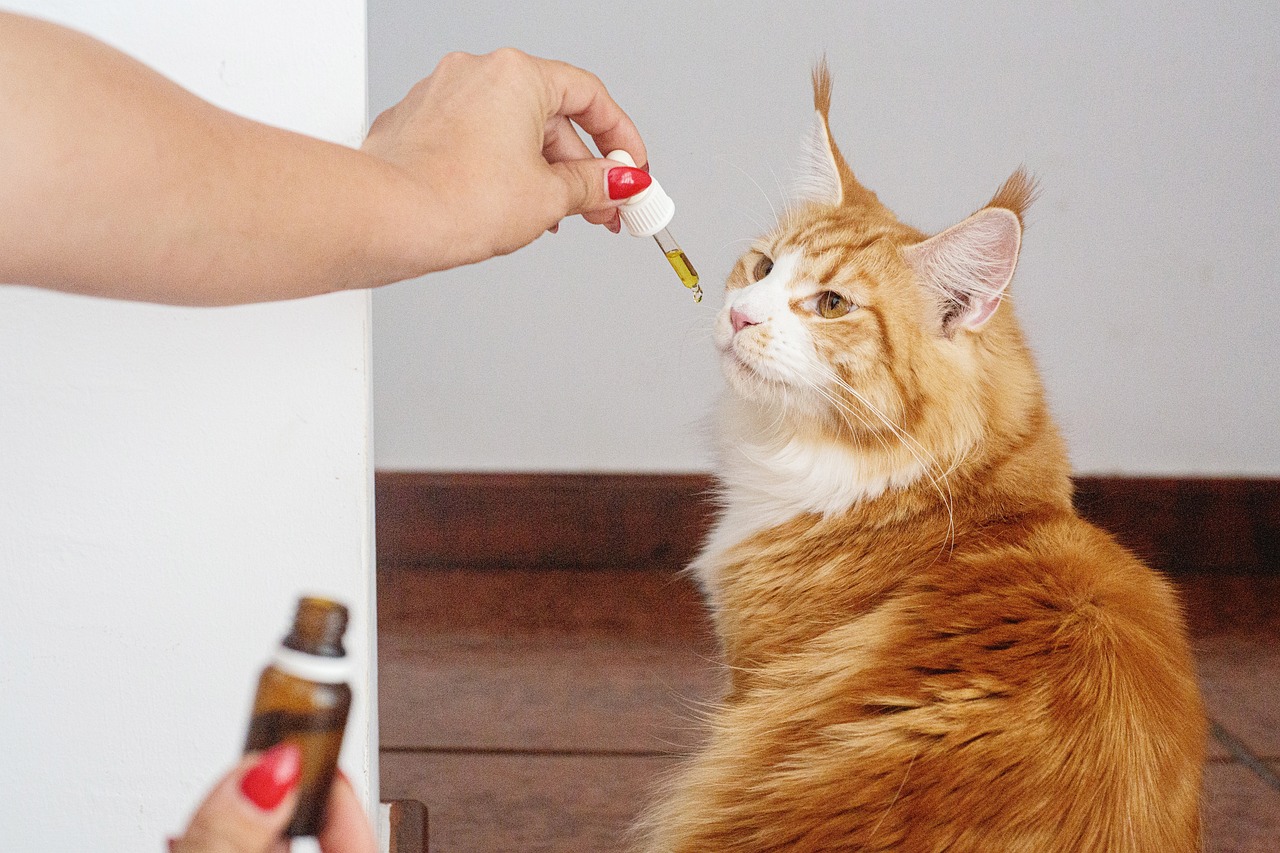
Moreover, it’s important to apply essential oils in a way that maximizes their benefits without compromising safety. Cats can’t metabolize certain oils as effectively as dogs and humans, which means careful application is required. An effective method is to diffuse essential oils in areas that your cat frequents but avoid direct contact initially. Create a diluted mixture by adding a few drops of essential oil to a carrier oil, such as coconut or olive oil, before applying it to your cat’s collar or bedding. Monitor your cat for any adverse reactions following this application, as individual responses can vary. Furthermore, using essential oils in combination with traditional pest control methods can provide a more comprehensive approach to parasite prevention. Always read labels for instructions on dilution and usage. Some essential oils can be used in specific formulations designed for pets, ensuring that they are safe for your feline. Safety must always be prioritized, following proper guidelines for every oil you consider. With appropriate precautions and vet guidance, you can effectively harness nature’s power to keep parasites at bay.
Identifying Safe Essential Oils for Cats
Identifying which essential oils are safe for cat use requires thorough research and proper vet guidance to ensure your feline’s safety. Some widely recognized options include lavender, cedarwood, and lemongrass. Lavender not only has calming properties, but also has insect-repelling qualities. Cats generally tolerate cedarwood, making it an excellent choice for deterring fleas. Conversely, while lemongrass is a known insect repellent, it should still be used cautiously. Avoid essential oils such as tea tree oil, eucalyptus, and citrus oils, as these can be toxic to cats. It’s imperative to remain well-informed about the oils you wish to introduce into your cat’s environment. Begin by introducing a new oil into your home in small amounts, observing closely for any signs of discomfort or adverse reaction. Ensure safe options can be implemented for pest prevention without putting your cat at risk. Consult your veterinarian for recommendations tailored to your specific cat’s health history and behavioral tendencies, ensuring you make the best choices for your pet. Your diligence plays a key role in keeping your fur baby safe while employing natural methods for parasite control.
Moreover, integrating essential oils into a broader parasite prevention strategy can maximize their effectiveness. Regular grooming is crucial, as it helps to remove any existing fleas or ticks before they can cause significant harm. Additionally, maintaining a clean home environment contributes immensely to preventing infestations. Frequent vacuuming, washing your cat’s bedding, and using natural flea sprays can ensure a flea-free and healthy living space. Discussing with your vet the possibility of using essential oils in conjunction with safe flea prevention medications can create a comprehensive protective plan. It can significantly reduce the likelihood of flea infestations recurring. Monitoring your cat for any symptoms of discomfort or health issues related to parasites is part of being a responsible cat owner. You can use natural methods without compromising safety and health. Providing your feline with a holistic approach to wellness ensures long-lasting benefits. As you prioritize both prevention and safety, you’ll find the right balance to protect your cat effectively. Always remember that your cat’s well-being is the paramount concern when implementing any treatment regimen or preventative measure.
Practical Applications of Essential Oils
When discussing practical applications of essential oils for cat parasite prevention, there are several ways to achieve effective results without compromising your cat’s health. One method is through the use of soothing sprays for your cat’s environment. Combine a few drops of safe essential oils like lavender with distilled water and a carrier oil, then use this mixture in a spray bottle. Lightly mist areas where your cat sleeps, avoiding their face and direct skin contact. Additionally, consider making a DIY flea collar using essential oils. This can be achieved by applying a diluted essential oil mixture on a fabric collar. Regularly reapply to ensure its effectiveness. Another option includes using a diffuser to disperse essential oils in your home. Always ensure that the oils used are well tolerated by your feline companion, and watch for signs of any respiratory distress. Enhance your home with the power of nature while providing a safe haven for your cat. Experiment with different methods to find what works best for your cat while providing them comfort and protection from unwanted pests.
In addition to practical applications, it’s crucial to educate cat owners on the benefits and risks associated with using essential oils. Proper knowledge can empower pet owners to make informed choices. Seek reputable resources, blogs, and articles focusing on natural pet care for reliable information. It’s also essential to maintain ongoing communication with your veterinarian regarding your natural approach to pest control. Addressing any potential concerns about your cat’s allergies or sensitivities can be beneficial. Recommendations can further help tailor your approach for optimal safety and effectiveness. Engaging in community forums where others share their experiences can further enrich your understanding. Learning from fellow cat owners can boost confidence while making this transition. Monitor trends in natural pet care, such as integrating holistic treatments, which are increasingly popular. Ensure you remain ever-vigilant regarding your cat’s health during this process. Striking the right balance between prevention and treatment provides a harmonious and comfortable lifestyle for your feline. With the proper tools and knowledge, you can pursue a successful path towards effective natural parasite control.
Conclusion on Essential Oils and Safety
In conclusion, using essential oils for cat parasite prevention can be a natural and effective strategy that complements traditional methods when approached cautiously. Owners must prioritize safety, research, and consult with veterinarians for the best advice and recommendations. Identifying safe oils and applying them correctly can keep your feline friend happy and healthy. Regular monitoring of your cat’s reaction to essential oils is vital to prevent any adverse effects. Taking a comprehensive route that includes grooming, a clean living space, and diligent health checks ensures a well-rounded approach to parasite control. Empowering yourself with accurate information and support transforms the experience into a rewarding bonding opportunity with your cat while providing essential care. Natural alternatives can successfully coexist alongside traditional treatments, making holistic methods worth exploring. As they become more knowledgeable about using essential oils safely, cat owners can easily apply these practices in their daily care routines. By being proactive and informed, you can offer your beloved cat a safer, healthier living environment free from parasites. Your dedication contributes to a happy and vibrant life for your furry companion.
In conclusion, using essential oils for cat parasite prevention can be a natural and effective strategy that complements traditional methods when approached cautiously. Owners must prioritize safety, research, and consult with veterinarians for the best advice and recommendations. Identifying safe oils and applying them correctly can keep your feline friend happy and healthy. Regular monitoring of your cat’s reaction to essential oils is vital to prevent any adverse effects. Taking a comprehensive route that includes grooming, a clean living space, and diligent health checks ensures a well-rounded approach to parasite control. Empowering yourself with accurate information and support transforms the experience into a rewarding bonding opportunity with your cat while providing essential care. Natural alternatives can successfully coexist alongside traditional treatments, making holistic methods worth exploring. As they become more knowledgeable about using essential oils safely, cat owners can easily apply these practices in their daily care routines. By being proactive and informed, you can offer your beloved cat a safer, healthier living environment free from parasites. Your dedication contributes to a happy and vibrant life for your furry companion.