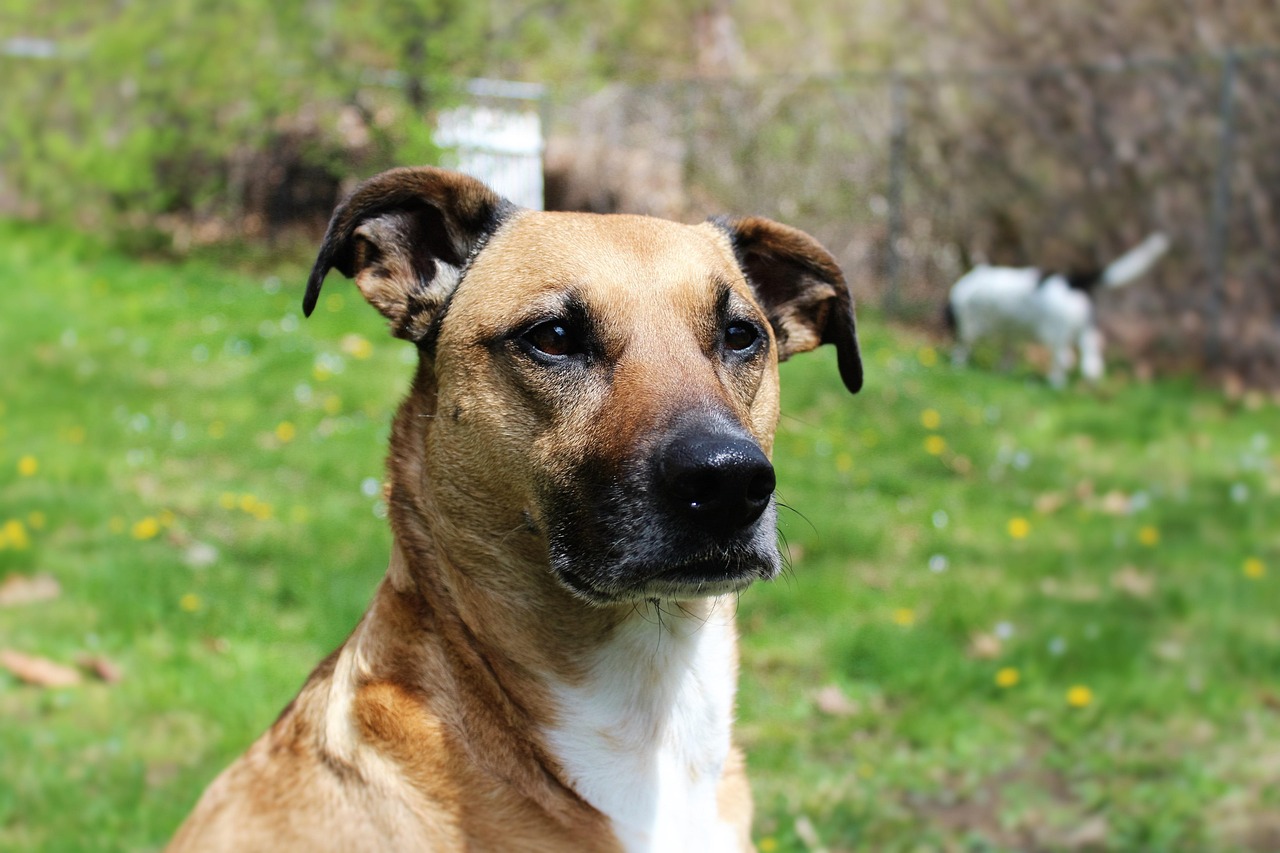

Using Routine and Consistency to Facilitate Socialization in Rescue Dogs
Socializing rescue dogs can be a challenging yet rewarding experience. Routine and consistency play crucial roles in this process. Establishing a regular schedule can help these dogs feel more secure in their new environments. Dogs thrive on predictability; the more they understand what to expect, the easier it becomes for them to adapt. A structured routine should include daily walks, feeding times, and play sessions. Implementing these consistent activities will promote trust and familiarity. Socialization should occur gradually, starting with short interactions with people and gradually increasing exposure to different environments. Rescue dogs often come from various backgrounds, meaning some may be more fearful than others. Understanding each dog’s unique background is important for tailoring socialization strategies. Family members and friends can also participate in these activities to create a supportive environment. Providing a calming presence during outings helps alleviate anxiety. Each positive experience builds confidence and encourages good behavior. It is essential to be patient and compassionate, as some dogs may require more time. Ultimately, a loving and structured approach will foster long-term socialization success.
Another vital element in socialization is the importance of positive reinforcement. Rewarding desired behaviors with treats or praise encourages a dog to repeat those actions. For example, if a rescue dog interacts well with a new person or calmly meets another dog, offering a treat or verbal praise reinforces that good behavior. It is essential to use high-value rewards that are meaningful to your dog to create a stronger connection. This method of reinforcing behavioral responses can significantly improve a rescue dog’s confidence. Additionally, maintaining a calm demeanor during interactions will help. Dogs are sensitive to human emotions, reflecting your feelings. If you remain relaxed, they will likely feel more comfortable. Gradual introductions to various stimuli such as other dogs, sounds, and people are crucial. Start in a controlled environment where the dog feels safe and gradually expand their boundaries. Short, positive experiences ideally build up to longer sessions, thus promoting sociability. Alongside common interactions, exposing your dog to different environments enhances social skills. Visit parks, pet-friendly stores, or friend’s homes regularly to assist them in adapting to new situations.
Creating a Safe Space for Rescue Dogs
Providing a safe space is essential for a rescue dog’s development during the socialization process. A secure area allows them to retreat and re-center if overwhelmed. This can be a crate, a designated room, or a cozy corner filled with their favorite toys. Ensure that this space is comfortable and equipped with bedding, food, and water. Rescue dogs often come from chaotic situations; creating a peaceful environment aids in their adjustment. Allowing them to explore this space at their own pace fosters independence and confidence. It’s also an excellent opportunity for your dog to learn to self-soothe. Incorporate routine elements such as quiet playtime or nap times in this space. Introduce new experiences gradually while they feel comfortable. This could be the sound of the vacuum cleaner or just a gentle introduction to new people. Pay attention to their body language; signs of stress or discomfort must be recognized immediately. Provide comfort, reassurance, and patience, allowing your dog to explore new encounters on their terms. The balance of having a safe haven and engaging with the outside world is key to a well-rounded socialization experience.
Socializing rescue dogs also requires consistent leadership from their human caregivers. Establishing boundaries ensures that your dog knows what is expected of them. Clear communication can significantly reduce confusion and anxiety. This entails consistent commands, setting aside time for training, and regularly practicing cues that reinforce manners and obedience. Use simple commands such as “sit,” “stay,” and “come” to build a foundation. Furthermore, consistency extends beyond training; how you react to your dog in different situations needs to remain steady as well. If they exhibit fear in a new circumstance, comforting responses rather than punitive measures can build their trust in you as a leader. Embrace setting limits while simultaneously praising appropriate behavior. This balance fosters a respectful relationship where the dog recognizes you as a guide. Moreover, consistent leadership requires the collaboration of all family members. Everyone must agree on training approaches to avoid confusion. A united front keeps commands, routines, and expectations synchronized, effectively enhancing the socialization process.
The Role of Patience in Socialization
Patience is perhaps one of the most critical attributes when socializing rescue dogs. Each dog’s journey is unique, often requiring different timelines for adjusting. Understand that some rescue dogs might take longer to feel comfortable than others. For instance, a dog may display signs of fear or anxiety when confronted with new experiences. This could partially stem from past traumas. Providing time and space for these dogs encourages a healthy adjustment period. Celebrating small victories along the journey—like responding positively to a stranger—should be part of this process. Set realistic expectations for yourself and your dog, appreciating that progress can be gradual. It is essential to approach setbacks with understanding, reframing them as opportunities for learning and growth. Always respect your dog’s comfort zone. Forcing interactions will likely lead to further fear or anxiety. Instead, utilize desensitization techniques—the gradual exposure to stimuli while remaining positive, fostering trust with each interaction. A nurturing, patient approach creates a strong bond. The more you understand and respect their boundaries, the more equipped they become to navigate social interactions.
Another helpful tactic for socializing rescue dogs is engaging them in controlled group settings. Group training classes or dog parks allow dogs to interact under supervision. However, ensure the group dynamics are suitable for your dog’s temperament. Ideally, these groups should include well-socialized dogs and trainers experienced in handling different behaviors. Start with small gatherings to avoid overwhelming your rescue dog. These environments facilitate learning vital social skills such as reading body language, proper greetings, and appropriate play behaviors. Observe your dog’s reactions and take notes on their comfort levels with other dogs. If your dog appears anxious, be prepared to step in and provide comfort or take a step back from the stressful situation. By monitoring interactions, you ensure positive experiences that foster good behavior. Always remember that your encouragement, either through verbal praise or treats, can positively reinforce desirable interactions. Be mindful that every dog has its own timeline—what works for one may not work for another. Adjust group settings accordingly, allowing your rescue dog ample opportunities to socialize within controlled boundaries while building their confidence progressively.
Conclusion
Socializing rescue dogs is a journey requiring commitment and understanding. By implementing routine and consistency, you can create an environment that nurtures their growth and confidence. Building trust through structured activities allows your dog to feel secure in their new surroundings. Incorporating positive reinforcement techniques reinforces good behaviors while establishing boundaries offers necessary guidance for better conduct. Remember that patience and empathy are paramount—every dog’s experience is genuinely unique. As you explore various socialization methods, remain attuned to your dog’s responses; adapt your strategies accordingly to support their progress. Encouraging controlled social interactions can further enhance their adaptation. Creating a safe space, consistency in leadership, and setting realistic expectations are essential components of this enriching process. Approach the socialization journey with love and care; in doing so, you help foster a well-adjusted, confident companion. Above all, cherish the small victories along the way, for each success contributes to their growth. Supporting a rescue dog’s path toward socialization takes time. With your concrete efforts, they will learn to thrive in their new world, unlocking a lifetime of companionship and joy.
To further enhance your dog’s social skills, consider utilizing community resources dedicated to pet behavior. Many areas boast local rescue organizations or pet training facilities that host workshops geared toward socialization. Participating in these events allows you to learn about effective training methods. Connecting with other dog owners in your community can help create an invaluable support network. Share experiences and suggestions that working with rescue dogs brings unique challenges and joys. Engaging in group discussions can provide insights on what works best for different types of rescue dogs. Furthermore, these gatherings allow for networking with others who share similar experiences and challenges. Foster a sense of community among fellow dog lovers; you can all grow together through shared learning. Make sure to gather information on local pet events and training sessions that promote socialization. They often include valuable advice from professionals that specifically cater to the needs of rescue dogs. Don’t hesitate to ask questions during these events; resourceful trainers can clarify training methods. By being proactive, you consistently equip yourself with tools to benefit your dog’s development.