
Building Confidence in Shy Dogs Through Socialization and Grooming
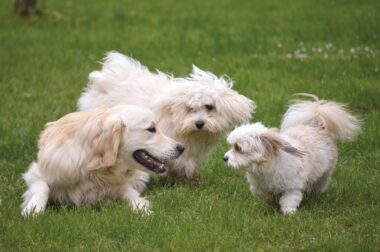
Socialization plays a crucial role in developing a well-adjusted, confident dog. Particularly for shy dogs, exposure to new environments, people, and other animals can help alleviate fear and anxiety. Starting socialization early can set a strong foundation for your dog’s development. It’s vital to introduce different scenarios gradually, allowing your dog to adjust at their own pace. Remember that every dog is unique; some may require more time than others. Socialization should be a positive experience, which means rewarding your dog with treats and praise when they behave calmly. Attending puppy classes can be beneficial for both socialization and learning basic commands. Interaction with a variety of dogs ensures your pet learns proper canine etiquette, which is particularly important for shy dogs. Allowing them to observe and engage with well-socialized dogs can foster confidence. Visiting dog parks can also encourage exploration and interaction. When you notice your dog showing signs of comfort, be sure to reward them. This reinforcement aids in building a connection between new experiences and positive outcomes. With consistent practice, your shy dog can emerge from their shell and flourish in social settings.
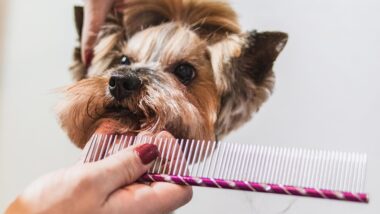
Grooming offers more than just aesthetic benefits; it also plays a significant role in the emotional well-being of dogs, especially those that may tend towards shyness. Establishing a regular grooming routine can instill a sense of familiarity and security for your dog. Gentle brushing, bathing, and nail trimming can be anxiety-inducing for some pets. Hence, it’s essential to introduce each grooming task gradually and positively. Initially, you might just get your dog accustomed to the grooming tools. Use treats and soothing voices to reassure them. Over time, gradually increase exposure to various grooming procedures, never forcing them beyond their comfort zone. Ensuring this is a calm and enjoyable process is fundamental for shy dogs. Incorporating playtime along with grooming can create a more relaxed atmosphere. You can also choose to groom in a quiet environment to mitigate stress. Additionally, frequent grooming can help detect any skin issues or health concerns early on. It allows for bonding time, enhancing trust between you and your pet. The more positive experiences your shy dog has during grooming, the more confident they will become during both grooming sessions and everyday interactions.
Understanding canine body language is essential for addressing the needs of shy dogs. As a pet owner, being able to read the signals your dog provides allows you to react appropriately, enhancing their social experiences. Dogs express their emotions through various body postures and facial expressions. For instance, a shy dog may lower its body or tuck its tail when feeling insecure. Recognizing these cues can help you identify situations that may be overwhelming for them. When you notice signs of discomfort, providing a safe space for your dog to retreat can be beneficial. This could be a quiet room with their favorite toys or bed. Encouraging gradual exposure to other dogs and people under controlled circumstances is essential. As positive interactions increase, you will likely notice a shift in your dog’s confidence and comfort level. Offering praise during these moments fosters trust and encourages desired behavior. You can also reinforce positive body language by rewarding calm behavior in new situations. Over time, understanding these signals will enhance your bond and help your shy dog to thrive in social environments where they once felt anxious or fearful.
Creating Friendly Environments for Socialization
Establishing a friendly and welcoming environment is paramount for successfully socializing your shy dog. This involves choosing the right companions, whether humans or other dogs, to ensure positive interactions. Surrounding your pet with calm, socialized dogs can greatly influence their comfort level and willingness to engage. Additionally, you should initiate socialization activities in a controlled setting. Initially, this might mean inviting a friend and their well-adjusted dog to your home. Home environments are often less intimidating than new locations. Allow your dog to observe and gradually approach at their own pace. Always monitor the interactions closely, providing guidance and support to ensure positive experiences. You can also organize meet-ups in secure areas, such as backyard spaces. Implementing games that promote play rather than confrontation fosters a sense of safety. Using a leash can give you greater control while allowing them to roam safely. Gradually incorporating distractions, like toys or treats, can shift focus and ease the experience. Over time, your shy dog will likely become more comfortable in varied environments, making each social outing smoother and more rewarding.
While professional training can significantly aid in socialization efforts, incorporating basic training at home is equally essential. Training sessions should be short, engaging, and fun. Positive reinforcement encourages cooperation and strengthens the bond between you and your pet. Teaching your dog simple commands such as sit, stay, and come enhances their confidence and helps you manage their behavior in social situations. Regular, patient training helps reduce anxiety associated with unfamiliar surroundings. Building motivation through rewards will positively affect their willingness to face new challenges. Keep training sessions consistent without overwhelming your pet. Shy dogs may respond better to one-on-one training. Begin in a familiar location and gradually introduce distractions over time. Practicing commands in varied environments promotes adaptability and confidence. Additionally, it creates a trusting bond as your pet recognizes your guidance. If your dog successfully navigates an interaction or task, reward them immediately. Celebrating small victories together strengthens their will to engage. As training progresses, they will likely show increased confidence, making socialization a more enjoyable experience for both of you.
Utilizing Socialization Resources
Make use of various resources available to help facilitate the socialization process for your shy dog. Numerous organizations and social groups specialize in socialization and training, offering techniques and strategies beneficial for timid pets. For instance, dog daycare facilities often have trained staff who can help with social interactions. Such environments create a controlled space for your dog to meet other dogs and humans in a safe manner. Similarly, enrolling in puppy kindergarten or obedience classes introduces structured lessons while allowing for socialization with peers. Additionally, online forums and local groups can provide valuable resources and support from fellow dog owners who understand the challenges of socializing shy dogs. Networking with other owners can lead to playdates and further opportunities for your pet. Many trainers also offer workshops specifically designed for shy or fearful dogs. These can provide invaluable insights into how to help your pet build confidence through exposure to various stimuli. Exploring different resources will likely yield uncover gradual strategies tailored to your unique needs, making the journey of socialization more enjoyable and fulfilling.
A vital aspect of supporting the confidence-building journey for a shy dog is creating an ongoing routine. Consistency is key—your dog will respond better to structured socialization and grooming practices. Try to schedule regular socialization outings, engaging with your dog in diverse environments consistently. Whether continued exposure to parks, training classes, or structured playdates, maintaining regularity will strengthen their confidence. Furthermore, establishing a grooming routine helps create familiarity, which is valuable. Regular grooming sessions should be perceived as momentous bonding opportunities rather than stressful experiences. Every session should begin calmly, combining activities and rewards that reinforce your pet’s positive experiences. As your dog becomes accustomed to typical grooming activities, they will feel more confident and less anxious during each session. Consider keeping a log of your dog’s social interactions and grooming experiences; observing gradual improvements can encourage you and help identify areas needing more work. Gradually, your shy dog will perceive an array of social circumstances as less intimidating and more enjoyable as their skills and comfort level develop, resulting in a thriving, confident companion.
You can also promote their confidence through targeted skill-building activities. Engaging in confidence-building exercises such as agility training or scent work can significantly enhance a shy dog’s self-esteem. These activities provide a sense of accomplishment and serve as a great outlet for their energy. Enrolling in agility classes not only challenges them physically but also mentally, as they navigate through courses built for their success. This structured environment encourages teamwork, which fosters a stronger bond between you and your dog. Scent work, on the other hand, capitalizes on dogs’ natural instincts, allowing them to engage with their environment in a low-pressure setting. These activities can be performed at home or in various outdoor settings, promoting exploration. Tailoring exercises to your dog’s preferences can increase engagement. Remember, patience is essential; shy dogs may take longer to adapt to new tasks. Consistency in practice builds familiarity over time and gradually promotes confidence. Encouraging socialization and independent exploration leads to greater adaptability. Celebrate small successes and avoid overwhelming your dog; with time, the activities become enjoyable routines that bolster their confidence and overall demeanor, creating a happy and well-adjusted pet!