
DIY At-Home Cat Grooming Setup
Creating a comfortable environment for grooming your feline friend is essential. Start by selecting a designated grooming area to calm your cat during the process. To ensure your cat associates the area with positive experiences, consider incorporating familiar items like their favorite blankets or toys. Additionally, having a non-slip mat can prevent accidents during grooming. Prepare grooming tools beforehand for efficient use, including brushes, nail clippers, and shampoos specifically designed for cats. Choose brushes based on your cat’s coat type: wire slicker brushes for long-haired cats and bristle brushes for short-haired breeds work well. Grooming sessions should begin with gentle strokes, easing your cat into the routine. Always monitor your cat’s comfort to avoid stress. Remember to reward your pet with treats and affection to create a positive association. Also, consider scheduling an appointment with a professional groomer for exceptionally difficult tasks like mat removal, especially for long-haired breeds. Regular grooming not only keeps your cat looking pristine but also helps in monitoring their health by checking for skin issues, ticks, or other irregularities. Engage in this bonding experience regularly to strengthen your relationship with your pet.
Essential Grooming Tools
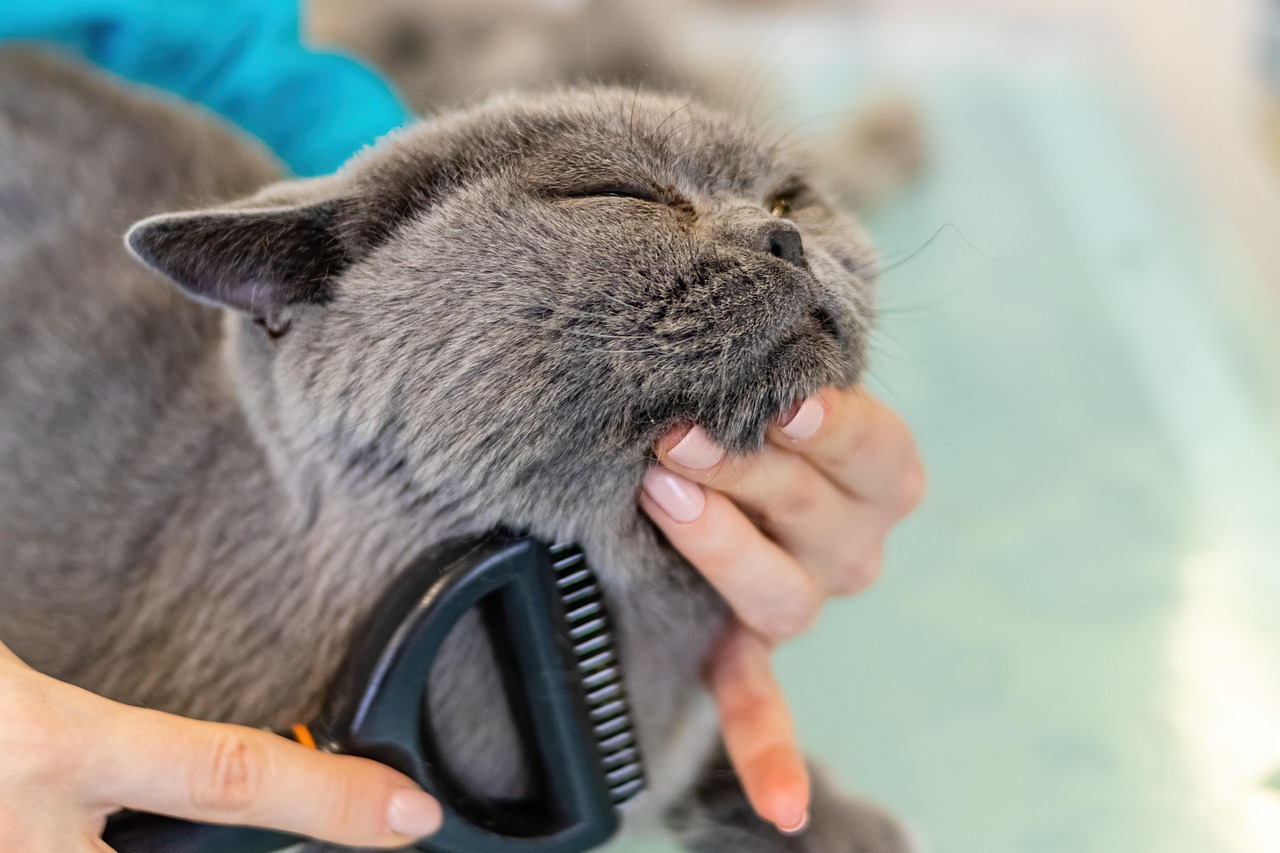
To establish your at-home cat grooming setup, you need various essential tools. First, invest in a high-quality brush suitable for your cat’s coat type, which will help remove loose fur and prevent mats. For long-haired cats, a slicker brush is recommended, while a bristle brush works well for short-haired breeds. Additionally, a pair of nail clippers specifically designed for cats will help you maintain their paw health. Brands like Catit and Furminator offer reliable grooming tools. Don’t forget about cat-safe shampoos for those rare bath days; choose one that is gentle on their skin. A soft cloth can help clean their ears gently as necessary. Detangle combs are very helpful for particularly matted coats and can help you brush out knots before they become problematic. Otic solutions are also helpful in keeping your cat’s ears clean. Regular grooming not only enhances your cat’s appearance but also assists in discovering underlying health issues. When selecting products, opt for all-natural options to safeguard your pet’s health and promote a bond as you spend quality time together.
Establishing a grooming routine is vital for both your comfort and your cat’s. Start by scheduling regular sessions, ideally at least once a week, to prevent excessive matting and shedding. During each session, ensure your cat feels secure; use gentle movements and offer praise continuously. Begin with brushing, gradually moving to more involved tasks like nail trimming. Always allow your cat to acclimate slowly to these grooming experiences; anxiety can lead to resistance, so patience is key. Always monitor your cat’s body language to avoid causing distress. If they exhibit signs of stress or discomfort, stop and try again later. Reward your cat’s cooperation with treats, as this positive reinforcement enhances their grooming experience. When trimming nails, take care to avoid the quick, the sensitive area in the nail, as this can cause pain and bleeding. For this reason, it is best to perform this task over several days if necessary. If your cat is particularly anxious about grooming, consider calming strategies like pheromone sprays or treats to ease their nerves.
After completing the brushing and nail trimming, it may be time to consider a bath, depending on your cat’s needs. Although most cats groom themselves, occasional baths can help maintain optimum cleanliness, especially for cats living in warmer climates or those with skin conditions. Prepare a comfortable bath area using lukewarm water and an appropriate cat shampoo. Ensure the bath is secure and shallow enough to prevent any panic during the bathing process. To minimize your cat’s worry, talk to them soothingly throughout. Wet your cat gradually, avoiding their face initially. Use a soft cloth to wash their face gently. After rinsing thoroughly to eliminate all shampoo traces, opt for a towel or low settings on a blow dryer to dry their fur. Some cats may require assistance getting accustomed to baths, so it’s important to take gradual steps. Maintaining hydrating conditions post-bath with pet-appropriate conditioners will keep their coat smooth. This effort will be rewarding, as a clean cat leads to a happier and healthier pet, reducing the risk of skin irritation or infections.
Desensitizing Your Cat to Grooming
For optimal grooming success, desensitization is key for anxious cats. Utilizing techniques such as gradual introductions to grooming tools can ease their apprehension. Begin by allowing your cat to explore and sniff the tools without any pressure to use them immediately. This introduction can build familiarity and reduce fears. Pair these tool presentations with treats and praise to create positive associations. Once your cat is comfortable, start practicing with gentle brushing sessions, ensuring to keep the duration short. Gradually increase the length as your cat shows more comfort over time. Pay close attention to their responses: if they relax, continue, but if they show signs of distress, stop immediately. It’s also important to groom during times when your cat is calm, ensuring they feel at ease. You can also play soothing music or use calming sprays to enhance the environment. This desensitization process fosters trust between you and your cat, ultimately making grooming sessions easier in the long run.
While grooming at home is beneficial, knowing when to consult a professional is equally important. If you find yourself overwhelmed with tasks like de-shedding or dealing with severe matting, a professional groomer can make a significant difference. They possess the knowledge and tools necessary to handle particularly tough grooming situations with expertise. Professional groomers can provide valuable advice on how to better care for your cat’s coat and manage any peculiarities they may observe. It’s also prudent to schedule appointments for elderly or special needs cats who may require gentle handling or extra care during their grooming sessions. Additionally, if you notice underlying skin conditions or unusual behavior during grooming, consulting a veterinarian is crucial. Proactive measures in addressing grooming challenges will not only benefit your cat’s appearance but also their overall health. Remember, grooming is an ongoing process, and both you and your cat will appreciate the time spent in this bonding activity.
Conclusion on Cat Grooming at Home
Grooming your cat at home can foster a deeper bond between you and your feline companion. By creating a suitable environment, gathering the right tools, and maintaining a consistent routine, you can effectively manage your cat’s grooming needs. The process of grooming can not only help maintain your cat’s appearance but also serve as a crucial opportunity to monitor their health. Utilize the desensitization techniques to ensure that your cat becomes more comfortable during grooming sessions over time. Remember to celebrate the victories, no matter how small, with praise and treats to reinforce positive behavior. If challenges arise or if you feel overwhelmed, professional help is available to assist. In the long run, prioritizing your cat’s grooming needs can lead to happier and healthier experiences for both of you. Embrace the grooming journey and enjoy every moment spent making your cat feel loved and cherished in your care. Ultimately, maintaining your cat’s grooming routine can be enjoyable and fulfilling, strengthening the bond you continually cultivate together.
Regular grooming sessions are vital in ensuring your cat’s coat remains healthy and clean while also allowing you to inspect their skin for any abnormalities. Capturing your cat’s attention through grooming activities can foster a strong bond that benefits both you and your pet. Always remember to be patient, especially with anxious cats, as building trust is the foundation of the grooming process. Explore different grooming techniques to find what works best for your feline friend, adapting based on their reactions. Through techniques like positive reinforcement, you can make grooming a fun experience rather than a chore. Discovering the specific preferences of your cat concerning tools or techniques can enrich your connection and your cat’s overall well-being. Keep an eye on your cat’s behavior during sessions; what might start as reluctance can turn into enjoyment with time and practice. With the right approach and persistence, any cat can learn to appreciate grooming sessions, turning them into treasured moments for both of you. By committing to at-home grooming routines, you contribute to a more balanced, mental, and physical state for your beloved pet throughout its life.