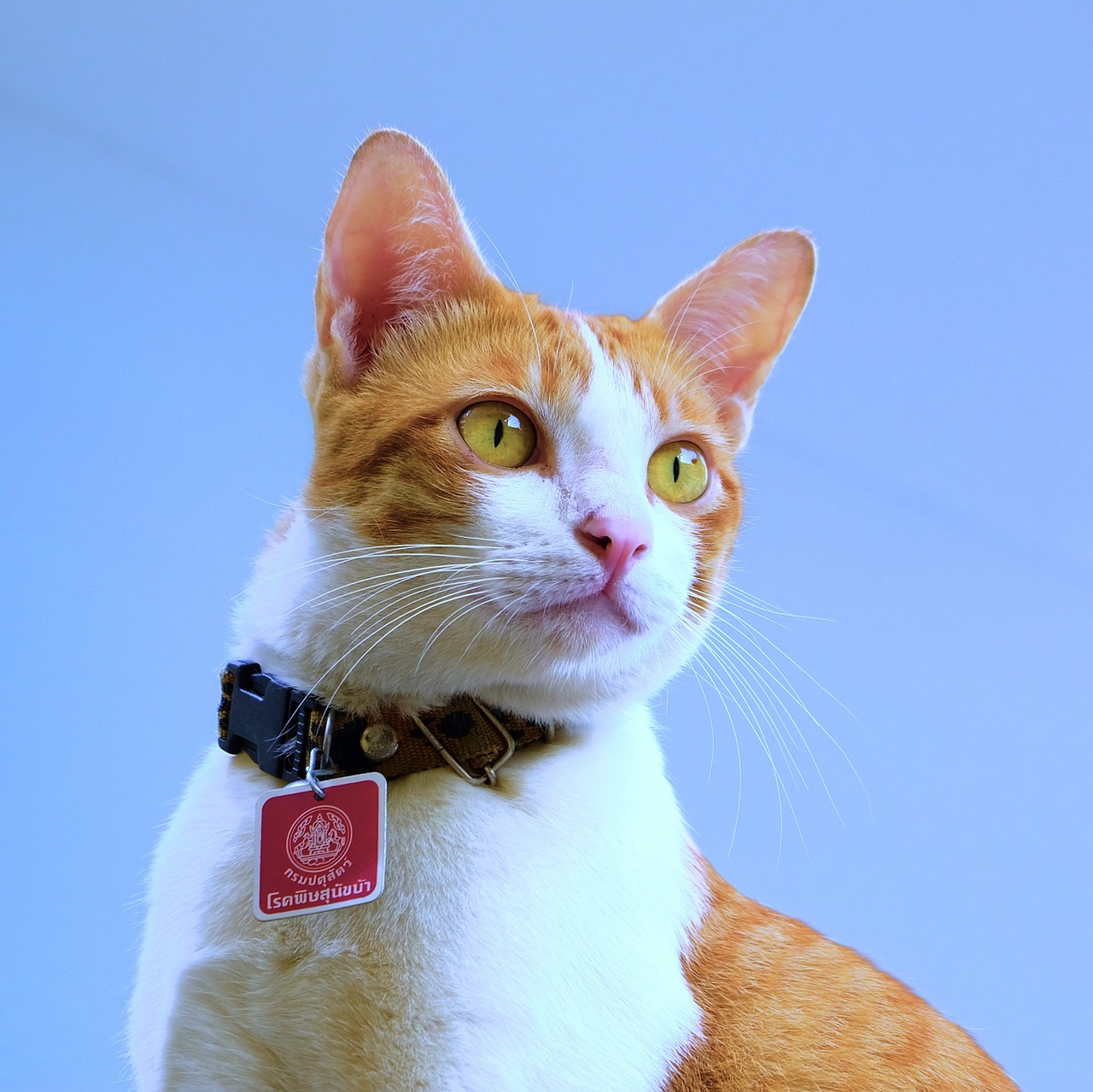

How Long Do Flea Collars Remain Effective on Cats?
Flea collars are a popular choice among cat owners for controlling flea infestations. However, many pet parents often wonder about their effectiveness and longevity. The lifespan of a flea collar can differ significantly based on the brand, type, and ingredients used. Generally, it is acknowledged that most flea collars should remain effective for around 6 to 8 months. This duration is influenced by various factors, such as the cat’s environment, bathing habits, and the collar’s exposure to moisture. It is essential to follow the manufacturer’s instructions carefully to maximize the collar’s effectiveness. Flea collars release chemicals that can kill fleas upon contact or repel them. As it wears off over time, its protection may decline. Regular inspection for wear and tear is crucial. Contact your veterinarian if you notice increased flea activity or pest irritation in your feline. Combining a flea collar with other preventive measures can enhance its efficacy, providing more comprehensive protection against these annoying parasites. Always seek professional advice if you have any doubts about your cat’s flea control regimen, as each cat may require a different approach.
Another vital aspect is how the collar fits your cat. A snug but not overly tight fit is necessary for the collar to work effectively. If a collar is too loose, it may not come into proper contact with the cat’s skin, reducing its ability to deliver the active ingredients effectively. For new users, it’s advisable to observe how the collar behaves after initial fitting. If it shifts, readjusting it may be crucial. Additionally, consider bathing guidelines; frequent baths can wash away the protective flea-killing ingredients quicker than expected. Therefore, select a collar that complements your cat’s grooming routine, ensuring the collar stays effective for as long as possible. Furthermore, dogs and cats can safely share environments, so ensure that multiple pets are treated simultaneously for optimal control of flea populations. By aligning treatment methods, cat owners can create a preventative system more resistant to flea invasions. Understanding your feline’s lifestyle and grooming habits is essential when determining the right flea collar. This tailored approach can significantly boost the collar’s efficacy, leading to a successful outcome in flea control.
Comparison of Flea Collar Types
When chatting about flea collars, it’s important to acknowledge the variety of types available today. Each type offers distinct methods for tackling fleas and ticks on cats. Most flea collars fall into two main categories: chemical and natural collars. Chemical collars typically contain active insecticides that kill or repel fleas. While effective, some pet owners express concerns regarding potential toxicity. In contrast, natural collars use plant-derived ingredients, appealing to environmentally-conscious pet parents. Though often perceived as safer, their effectiveness can be less comprehensive and may require reapplication more frequently. Cat owners should weigh the pros and cons of each type based on their pet’s individual health, the degree of infestation, and personal preferences. Testing various collars might be necessary until you find a balance between safety and pest control that works for your household. Always ensure that any collar selected is specifically designed for cats to avoid overdosing on chemicals. With the variety available, cat owners have opportunities to formulate a flea-prevention strategy that suits their and their feline companion’s unique needs.
Another consideration is the geographic region you live in, as flea populations can vary greatly by area. Regions with a more temperate climate often experience longer flea seasons. Therefore, maintaining flea control through collars may need to be year-round in such areas. Conversely, in colder regions where fleas are dormant in winter, some owners choose to discontinue flea collar use temporarily. Understanding local flea activity can help in tailoring your cat’s treatment plan throughout the year. Moreover, observing flea activity and potential infestations can lead to more timely treatments before the problem escalates. One option is to consult with local veterinarians for region-specific advice, enabling you to make informed decisions regarding flea collar usage. In any case, be proactive when dealing with flea infestations and implement preferred prevention methods consistently. Remember that managing fleas is an ongoing process addressing multiple factors within your environment. By being aware of seasonal changes and your cat’s behavioral pattern towards fleas, you can enhance the effectiveness of your flea collar.
Maintenance Tips for Optimal Effectiveness
Ensuring optimal effectiveness of a flea collar goes beyond just choosing the right one; proper maintenance is equally crucial. Always inspect collars regularly for signs of wear and tear. A frayed collar might not function effectively and could require replacement sooner than anticipated. Moreover, maintaining product cleanliness can improve its function. Collars can accumulate dirt and grime, potentially hindering their effectiveness. Sometimes, gently wiping the collar can rid it of debris, extending its efficacy. Additionally, avoiding overly moist environments is beneficial for collars, as soaking can diminish chemical effectiveness. For cat owners whose pets enjoy regular bathing or outdoor activities, understanding how these habits correlate with collar efficacy is key. If your cat gets wet often, consider exploring alternatives to collars that may fit better within your grooming regimen. Furthermore, educate yourself on the signs of flea activity at home. Observing excessive scratching or flea dirt can signal an urgent need for treatment beyond topical collars. Flea control is most successful when cat owners adopt a holistic view regarding maintenance and prevention.
Combining flea collars with additional preventive measures can offer double defense against fleas. Options to consider are topical treatments or oral medications since they can work synergistically with collars. Utilizing a comprehensive approach effectively tackles fleas from multiple angles, minimizing their chances of survival. Consult your veterinarian about the feasibility of concurrently using other treatments, ensuring it’s safe for your feline friend. Additionally, ensure your cat’s environment remains clean and free from flea habitats, such as pet bedding and living spaces. Regularly washing blankets and vacuuming carpets can greatly reduce flea eggs and larvae populations. Moreover, utilizing flea sprays or powders specifically designed for home use can provide an extra layer of protection. Create a schedule that incorporates these cleaning practices, making incorporation into your routine much easier. Ultimately, targeted flea prevention is about harmonizing protective measures in a way that fits your lifestyle. This proactive approach can ensure your pet remains flea-free and contribute to your cat’s overall well-being, not just in the current season but throughout their life.
Final Thoughts on Flea Collars
In conclusion, understanding how long flea collars remain effective on cats involves multiple factors, including collar type, fit, and environmental conditions. Within this framework, you can make well-informed decisions regarding flea prevention. While flea collars offer a valuable tool for managing infestations, they are at their best when combined with additional preventive measures. Regular monitoring and maintenance of the collar, alongside keeping the living environment free from flea habitats, can maximize efficacy. Ultimately, keeping a close watch on your cat’s behavior and local flea activity allows for a tailored flea control strategy. By being proactive and adjusting treatment as necessary, you significantly heighten the chances of keeping your pet pest-free. Always engage with your veterinarian for personalized advice catered to your cat’s specific lifestyle and health. This communication ensures that preventive measures align with your cat’s unique needs while fostering a healthier life free from pests. By prioritizing your cat’s well-being, both you and your feline companion can enjoy happier times together without the burden of fleas.
In the context of choosing an appropriate flea collar for your pet, it is essential to not solely focus on effectiveness. Equally important is safety, as different collars have varying toxicity levels. Owners must carefully read labels and ingredient lists, while also considering potential allergic reactions. Some cats may react negatively to certain chemicals, leading to irritations or other health issues. Before introducing any flea collar, consider conducting a patch test on a small area of the skin. If you notice adverse reactions, discontinue use immediately and consult with your veterinarian. Overall, the primary objective is to keep your cat healthy while managing fleas efficiently. Close coordination with your veterinarian helps in selecting appropriate flea prevention methods tailored to your feline’s specific needs. Integrating flea collars into a comprehensive pest management plan enables owners to provide a safer environment for their pets. Periodic reevaluation of your approach to flea control allows pet owners to adapt and improve based on experiences. Each cat is unique, and continuous learning about their preferences ensures a better quality of life for them.