
How to Identify Foreign Objects in Your Dog’s Eye
Identifying foreign objects in your dog’s eye can be a crucial skill for dog owners. Whether it’s a tiny twig or a speck of dirt, such objects can pose a significant risk to your pet’s overall eye health. To start, examine your dog’s eye in a well-lit area to check for any visible debris. If your dog is squinting, tearing up excessively, or pawing at its eye, these may indicate discomfort caused by a foreign body. Always approach your pet calmly, as dogs can sense your anxiety, which may exacerbate their stress.
Next, ensure your dog is calm and avoid sudden movements that could startle it. Gently pull back the lids while keeping your dog still. Look for any redness, swelling, or abnormalities within the eye or surrounding area. A flashlight can help you illuminate their eye, making it easier to spot potential hazards. Should you notice any unusual coloration or if the eye looks cloudy, seek professional veterinary assistance immediately. Additionally, familiarize yourself with the anatomy of your dog’s eye to better understand what could be wrong and the potential risks associated with different foreign objects.
Additionally, watch for signs such as excessive blinking or head shaking, which may indicate your dog is trying to dislodge something stuck in their eye. Make observations about how your dog’s demeanor changes. If your normally vibrant pet becomes lethargic or withdrawn, this could be a response to eye pain. If any irritation persists or worsens, reach out to your veterinarian as soon as possible. Early intervention can prevent more serious injuries like corneal scratches or infections, leading to better outcomes for your dog’s vision and health.
Common Foreign Objects
Common foreign objects that can get stuck in a dog’s eye include grass seeds, dirt, and bark particles from outside. When venturing outdoors, ensure your dog does not roam in dense underbrush or walk through long grass, as this increases the potential of eye injuries. Those who frequently walk their dogs should also inspect their pets for debris after outdoor excursions. Use a soft cloth to gently clean any visible debris from around the eye. However, be cautious not to touch the eye itself as this can lead to scratches or further irritation.
If you suspect your dog has something in its eye and it suddenly becomes sensitive to light or avoids bright environments, it’s crucial to act swiftly. Even benign objects such as a small piece of dirt can cause discomfort and potential damage if left untreated. In cases where an object is visible but stuck, do not attempt to remove it yourself. This could lead to additional injury. Instead, take your dog to a vet equipped to handle such emergencies without causing pain or further distress. Time is often of the essence in these situations.
First Aid Procedures
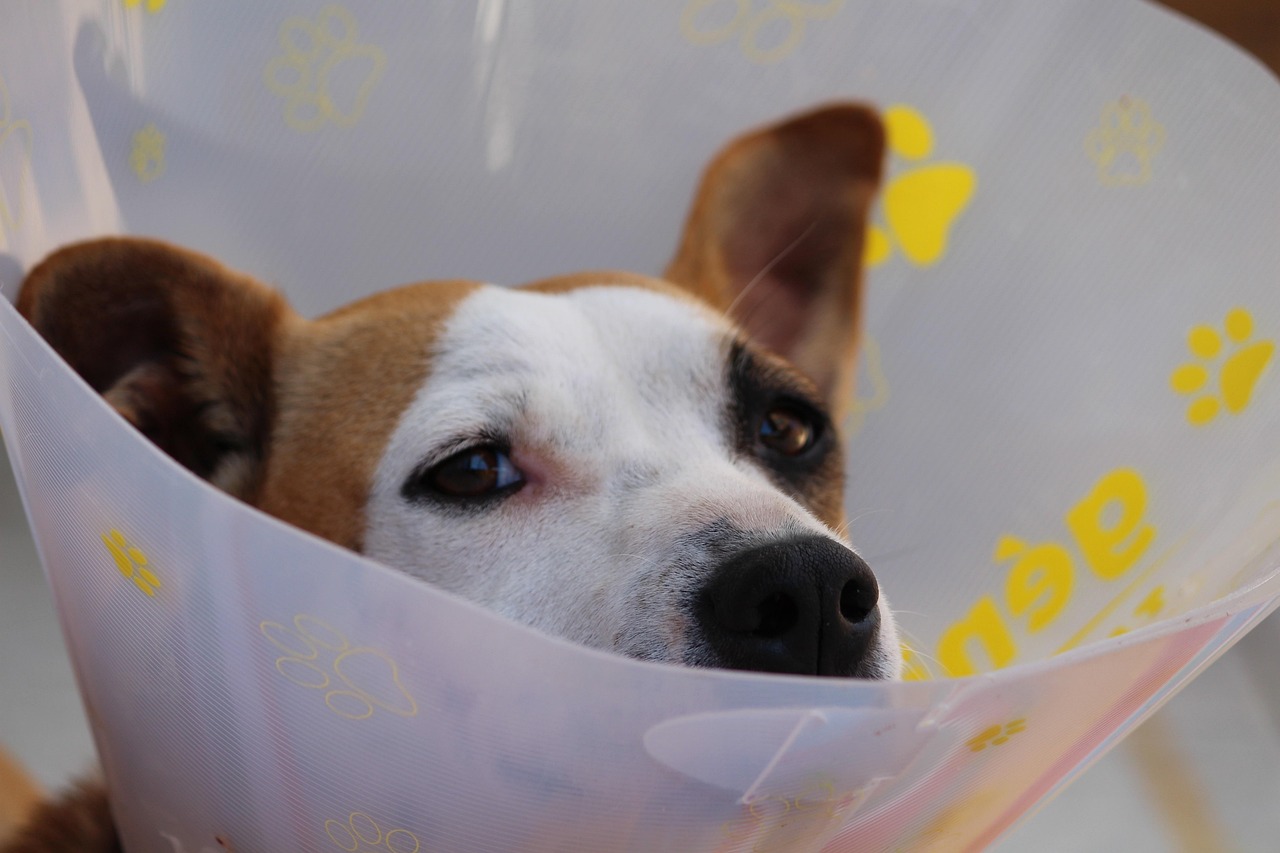
Before visiting the vet, practicing basic first aid procedures can be beneficial. Protect your dog’s eye area by keeping them calm and preventing them from pawing at their face. A funnel or an Elizabethan collar can help shield the eye. You might also need moistened gauze to wipe away any discharge. However, avoid using your fingers or any tool that could cause further damage. This preventive step is helpful during transport to your vet, where they can safely examine and treat your dog’s eye condition.
Furthermore, understanding the signs that indicate your dog needs immediate veterinary attention is imperative. If you notice redness, persistent tearing, or any blood, these require urgent care. Less severe symptoms, such as slight squinting or mild dust irritation, can be handled at home with saline eye wash. You should never use human eye drops on dogs but rather use those specifically designed for canine care. Always have a supply of appropriate cleaning solutions on hand to ensure proper cleaning when accidents occur, as this can save valuable time.
In conclusion, regular eye health checks can help prevent foreign object-related complications in dogs. Be attentive to their surroundings, and always supervise your dog during outdoor activities. Familiarizing yourself with the appropriate first aid and understanding when to seek immediate veterinary help are vital components of ensuring your pet remains safe and healthy. By promptly addressing any signs of eye discomfort, you can greatly contribute to your dog’s wellbeing. Stay informed and up-to-date on the best ways to care for your dog’s eyes and keep their vision clear.