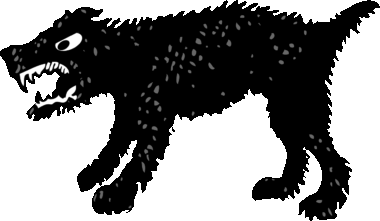

How to Safely Approach an Aggressive Dog
Encountering an aggressive dog can be daunting. The first step is to assess the situation. Observe the dog’s body language: a stiff body, raised hackles, and growling indicate potential aggression. Never approach an unknown dog without understanding its behavior. Stay calm, as sudden movements can provoke anxiety in the dog. If the dog is on a leash and its owner is present, ask the owner about their pet’s temperament or if it’s okay to come closer. Always maintain a safe distance until you know the dog is comfortable. If the dog shows signs of aggression, do not try to dog to ‘calm it down’, instead, quietly back away without turning your back on it. Keep your body side-on to the dog to appear less threatening. Additionally, avoid direct eye contact as this can be perceived as challenging behavior. In case the owner is not around, ensure to find a safe location to observe the dog until it calms down. If you are experiencing repeated encounters with aggressive dogs, consider taking a dog behavioral class. Understanding dog behavior will equip you with essential skills to safely approach dogs in the future.
In case you find yourself near an aggressive dog, your safety is paramount. Avoid making sudden movements or loud noises that could frighten the animal further. Stand still, turn your body sideways to the dog, and keep your hands at your sides. This posture is less aggressive and may calm the dog. In addition, avoid yelling or screaming, as this will only escalate the situation. If the dog seems to be stalking you, try to remain as still as possible until it moves away. If you have treats or toys, you may gently toss them to distract the dog, creating an opportunity for escape. If an aggressive dog has already charged and attacked, curl into a ball to protect vital areas like your head and neck. This position may discourage the dog from biting. Always report any aggression to the appropriate authorities or animal control officers, as this can prevent future incidents. You can also seek professional help from a dog trainer who specializes in aggression. They can guide proper approaches for handling aggressive dogs and aid in developing strategies to minimize risks during future encounters.
Understanding Dog Aggression
Aggression in dogs can stem from various factors, including fear, territorial instincts, or pain. Understanding the root cause of aggressive behavior is vital for effective management. Often, a dog displaying aggression is experiencing stress or feels threatened. This reaction can be instinctive and doesn’t necessarily reflect a ‘bad’ dog. For example, many fearful dogs exhibit aggression as a means of protection. Additionally, some breeds may be more prone to aggressive tendencies due to their history and breeding purpose. Understanding these nuances enables owners to manage situations appropriately. Always identify triggers causing aggression, which may include certain environments, other animals, or unfamiliar people. As a proactive measure, socializing your dog from an early age can reduce aggression towards unfamiliar situations. Regularly exposing dogs to new experiences, environments, and people helps develop their confidence and adaptability. Consistent positive reinforcement training can also assist in modifying aggressive behavior. By rewarding good behavior and correcting undesirable actions, dogs learn to respond more positively to various stimuli.
Preparation is key when approaching a known aggressive dog. Always carry essential tools that can assist in such encounters. For instance, using a leash, muzzle, or pepper spray can provide layers of protection. When approaching dog owners, ensure they have a secure hold on their dogs before any interaction to prevent accidental aggression. If the dog is leashed, keep a reasonable distance. A muzzle can also be helpful in preventing bites while still allowing the dog to breathe easily during training sessions. Safety gear like gloves can minimize potential bite damage. Before any interaction, gain consent from the dog’s owner. They should be on alert and aware of your intentions to ensure that both you and the dog feel safe. In situations where you know aggression may occur, consider working with a professional dog trainer who can examine and guide the right steps. Their expertise ensures that you remain informed and equipped with relevant knowledge on specific dog behaviors during high-stress encounters. Thus, learning from experts provides safety while fostering positive interactions with all dogs.
Reading Dog Body Language
Aggressive dogs often give clear physical signals to indicate their distress or threat. Understanding these signals can drastically change the way you approach them. A crucial aspect of dog communication is body language. The position of the tail, ears, and overall posture can reveal a lot. For instance, a stiff tail held high may indicate an anxious state, while a lowered tail could show submission. Ears pinned back often signal fear or aggression, while relaxed ears signify comfort. Additionally, growling is a warning sign not to be ignored. A dog showing its teeth is displaying potential aggression, and this is not the time to approach. Observing these signs before trying to approach a dog can save you from dangerous situations. Always remember that dogs perceive the world differently than humans do, and what we interpret as friendly gestures may not be received the same way by them. Taking the time to learn canine body language is integral for anyone who interacts with dogs. By respecting their cues, you foster a safer environment for both the dog and yourself when encounters arise.
Dog training can play a significant role in minimizing aggressive behavior. Consistent training reinforces acceptable behaviors and provides mental stimulation. Various techniques exist to manage aggression effectively. For example, practice commands such as sit or stay; these provide structure and prevent unwanted behaviors when the dog feels anxious. By encouraging calmness, owners can develop a stronger bond with their pets. Additionally, desensitization techniques can aid in easing aggression towards specific triggers the dog may encounter. During desensitization training, expose the dog gradually to the trigger while rewarding calm behavior. Integrating socialization activities into regular routines also builds confidence and reduces fear-driven aggression. Organize playdates with well-behaved dogs and controlled environments. This helps your dog learn proper interactions and feel less threatened. You may also consider joining a local training class that specializes in dog aggression to receive tailored advice and support. Lastly, be patient, as training takes time; ample practice and behavior modification techniques will gradually lead to significant improvements. Remember that a well-trained dog can be a happier, more relaxed companion for both the owner and community.
Seeking Professional Help
If aggressive behavior persists or escalates, seeking professional help is crucial. While many owners assume they can resolve aggression issues on their own, expert intervention often leads to better outcomes. Professional trainers possess unique insights, strategies, and tools to address aggressive behavior effectively. They help assess specific behavior patterns and provide customized training approaches accordingly. Conduct thorough research to find a reputable dog trainer or behaviorist in your area. Look for certifications and a proven track record of success among aggressive dogs. Once you’ve found a suitable professional, prepare to share detailed information about your dog’s history, triggers, and past interactions. This will help them grasp the behavior better and tailor their methodologies. Training sessions may involve practical exercises, creating safer environments, and helping owners learn defensive techniques while handling dogs. Efforts to improve communication and build trust will strengthen the bond between you and your pet. Stay committed to the process, as it may take time and effort to see significant behavior changes. Adopting a consistent approach ultimately leads to a safer and more harmonious relationship with your dog.
Finally, it’s important to maintain a proactive approach when it comes to dog aggression. Regular training, socialization, and understanding dog behaviors will keep both you and your dog safe. Additionally, your awareness of environmental factors that may trigger stress in your dog is essential. Ensure your home environment is also conducive to your dog’s calmness; factors such as loud noises, unfamiliar visitors, and chaotic settings can lead to increased tension. Ensuing positive interactions with other animals can alleviate aggression while helping maintain a stable environment. Encourage calmness through routines, supervised play, and controlled introductions with other pets or people. Your role as an owner is to be an advocate for your dog’s needs, ensuring that they are not overwhelmed and have the best chance of success. Finally, be patient and understanding; behavior changes cannot be rushed. Continue learning through reputable resources and community discussions to gain insights. Overall, the journey of managing aggressive behavior is long but rewarding, leading to a more relaxing companionship. Remain dedicated, and enjoy a more peaceful existence with your dog through commitment and understanding of their complex behavior.