
How to Use Body Language to Enhance Cat Training
Understanding cat body language is crucial for successful training. Cats communicate primarily through their body posture, tail movements, and facial expressions. Recognizing these signals helps strengthen the bond between you and your cat, fostering a trusting relationship. Pay attention to your cat’s body language during training sessions. When a cat feels comfortable, it may approach with a relaxed posture, whereas an arched back could indicate fear. By observing your cat’s reactions, you can determine when to proceed or halt training. Incorporating these signals into your sessions enables you to adjust your strategies to suit the cat’s mood and comfort level. Engaging your cat using positive reinforcement methods enhances the effectiveness of training. The more you understand your cat’s nonverbal cues, the better you can adapt your approach. This understanding ultimately leads to more successful outcomes. Remember to be patient; building a deep connection takes time. Training should feel like a rewarding experience for both you and your feline companion. Use this knowledge to create a positive environment where learning can take place effortlessly.
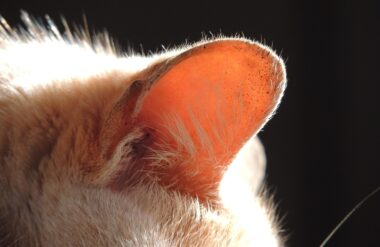
A cat’s tail is one of the primary indicators of its emotional state. When your cat’s tail is held upright, it signifies confidence and happiness. Conversely, a lowered tail indicates submission or fear. If you notice your cat’s tail puffed up, it means it is startled or agitated. Recognizing these tail signals can guide you in adjusting your training methods. Body position plays a significant role as well; a cat that lies down might be feeling relaxed, whereas one that crouches low could perceive a threat. This keen observation of posture can assist trainers in identifying when to introduce new commands or reinforcement. Another critical aspect of cat communication is their ears. Cats with forward-facing ears are curious, while ears pulled back indicate discomfort. Combine these observations with positive reinforcement techniques to reinforce desired behaviors. For instance, if your cat responds well to a command, offer treats or affection. This dual approach—observing body language while using rewards—creates an interactive training experience based on mutual understanding. Analyzing your cat’s responses leads to more effective communication during sessions, driving better results overall.
Furthermore, facial expressions play a vital role in understanding your cat’s emotions. A relaxed cat often has half-closed eyes, demonstrating contentment. In contrast, wide-open eyes can signify excitement or stress. Pay attention to the dilation of your cat’s pupils, as it can indicate their emotional state. Dilated pupils may indicate excitement or fear, while narrowed pupils can reflect annoyance or aggression. Adjusting your training pace in coordination with these cues can alleviate potential stress during sessions. Each interaction should feel safe and enjoyable for your feline friend. Socialization is crucial for a well-adjusted cat. Introducing your cat to different environments and experiences while observing their reactions helps them learn effectively. Start with gradual exposures and positively reinforce confident behavior. This helps them associate new environments with positive experiences. Regularly practicing these exercises strengthens your cat’s adaptability and social skills over time. Consider inviting friends or family members who are calm and familiar with cats to help further socialize your pet. Their presence can promote positive interactions, thus enhancing your cat’s learning and working through possible fears regarding new situations.
The Importance of Positive Reinforcement
Positive reinforcement is essential for effective cat training. This training philosophy rewards desired behaviors rather than focusing on punishment for undesired actions. The goal is to enhance a cat’s learning environment, making it enjoyable. Using treats, praise, or playtime as rewards encourages your cat to repeat desired behaviors. For example, if your cat follows a command, promptly reward it. This swift acknowledgment solidifies the association between the behavior and the reward, paving the way for successful training sessions. It is vital to maintain consistency when reinforcing positive behavior. Initially, you may need to reward frequently, but as your cat learns, you can gradually reduce the frequency. This method is known as a partial reinforcement schedule. The significance of timing cannot be stressed enough; immediate rewards help your cat understand which behavior you are reinforcing. As your cat gains more experience, you can introduce more complex commands and tricks. Remember to keep the sessions short to match your cat’s attention span. Incorporating body language along with positive reinforcement truly enhances the training experience, creating an environment filled with trust and success.
Regular training sessions are instrumental in reinforcing your cat’s skills. Establish a routine that resonates well with your cat’s natural rhythms, providing consistency. Short, engaging sessions work best, typically ranging from five to fifteen minutes. Pay attention to your cat’s interest level during training; if it loses focus, it might be time to take a break or try a different approach. Incorporate play into your training routine, as it’s a natural motivator for cats. Many cats respond positively to interactions that involve hunting simulations, such as using toys they can pounce on. These activities mirror natural behaviors, making training enjoyable for both you and your cat. Empower your cat by using training methods that encourage autonomy and problem-solving. For instance, hiding treats and allowing your cat to search for them stimulates its instincts while providing mental enrichment. Tailor activities that align with your cat’s natural inclinations, ensuring they are both fun and educational. By recognizing and using your cat’s unique preferences during training, you will enhance their understanding and retention of commands while ensuring the process is enjoyable.
Assessing your cat’s progress is critical in understanding the effectiveness of your training techniques. Create a training journal to document your cat’s advancements, obstacles encountered, and the adjustments made to your approaches. Tracking progress allows you to identify which methods are most effective for your specific cat. Additionally, celebrate milestones, no matter how small. This acknowledgment not only encourages your cat but also boosts your confidence as a trainer. When you remain observant of your cat’s body language during practice, you’ll see when it thrives or struggles. Adapting your methods based on this feedback can provide insights into what resonates with your cat. Moreover, make sure to continue socializing your cat. Innovative opportunities to explore new surroundings can facilitate the expansion of its comfort zone. This is particularly important when managing fear-related behaviors. Helping your cat feel safe in unfamiliar settings is vital for training success. Remember that every cat is an individual, and some may require more time to adapt than others. It’s essential to remain patient and understanding throughout the entire training journey.
Conclusion: Building a Lasting Bond through Communication
In conclusion, enhancing cat training through body language understanding is integral to successful communication. By paying close attention to your cat’s nonverbal cues, you foster a deeper connection. This bond enhances your training experience, developing trust and cooperation. Consistently observing body language and implementing positive reinforcement strategies amplify your cat’s learning. Incorporate fun training activities, such as play and problem-solving exercises, to stimulate mental engagement. By creating a dynamic and enjoyable training environment, both you and your cat can thrive. Assessing progress enables you to identify effective techniques and refine your approach accordingly. Stay patient and adapt your methods to match your cat’s unique preferences and needs. Remember, each cat is an individual, requiring understanding and respect. As your relationship develops, you may find that your cat becomes more responsive and eager to learn. Ultimately, enhancing training through body language not only encourages learning but also enriches your partnership, resulting in an overall harmonious living experience. With the right approach, cat training can transform into a fulfilling activity where you both enjoy positive outcomes, leading to a well-behaved companion.
In the journey of understanding your cat’s behavior, utilizing body language effectively allows for improved communication and training. Recognizing the subtle cues can significantly enhance your relationship with your feline companion. Each action reflects feelings and attitudes that you can respond to thoughtfully. Exploring various training methods aligned with your cat’s natural instincts fosters a positive environment conducive to learning. Furthermore, building patience and consistency into your approach cultivates a reassuring setting for your cat. This prepares them to engage and adapt to your training cues. Understanding its environment and becoming adaptable can facilitate your cat’s comfort levels. New experiences can be mixed with familiar ones to encourage trust during training. Create opportunities for exploration while continuously observing its reactions, ensuring that they feel secure throughout the process. In approaching the training comprehensively, combining knowledge of body language and your cat’s instincts leads to significant improvements in behavior. Enjoy the journey together, as it transforms both you and your cat into understanding companions. With these techniques, the training experience can be meaningful and enjoyable for all parties involved.